22 Apr, 2024 | Admin | No Comments
Earth911 Podcast: Mapping A Smart Path To The Circular Economy At The Ellen MacArthur Foundation REMADE Conference

Tune in to a special Earth Day 2024 episode about accelerating the path to a…
The post Earth911 Podcast: Mapping A Smart Path To The Circular Economy At The Ellen MacArthur Foundation REMADE Conference appeared first on Earth911.
Welcome to Money Diaries where we are tackling the ever-present taboo that is money. We’re asking real people how they spend their hard-earned money during a seven-day period — and we’re tracking every last dollar.
This week: a writer/editor who makes $77,910 per year and spends some of her money this week on a Schitt’s Creek plant sign.
Occupation: Writer/editor
Industry: News media
Age: 41
Location: Dallas, TX
Salary: $77,910
Assets: $2,307.12 in checking; $3,961.68 in a high-yield savings account; $2,076 in a CD; $154,744.19 in investments (a money market and Roth IRA); $29,634.81 in my company’s 401(k) (no match).
Debt: My mortgage: $182,028.62; car loan: $4,586.86; and credit card debt $28,687.87.
Paycheck Amount (2x/month): $2,488.34; freelance anywhere from $200 to $2,000.
Pronouns: She/her
Monthly Expenses
Monthly Housing Costs: $1,600 mortgage for the house that I own and live in by myself.
Monthly Loan Payments: Credit cards/personal loan: $2,932 total; car payment: $315
All Other Monthly Expenses:
Security System: $21.64
Wifi: $55.58
Electricity: ~$50-$60 in the winter; as high as $250 in the summer
Gas: ~$30 in the summer; ~$170 in the winter
Water/Trash/Sewer: ~$70
Cell Phone: $89.52 (work reimburses me $50 of this)
iCloud Storage: $2.99
KERA (Local PBS) Donation: $10
Planned Parenthood Donation: $10
Energy Ogre: $10
Lawn Mowing: $80 (two visits at $40 each)
Home Camera Monitoring: $1.59
Patreon: $13.50 to support two podcasts
Savings Auto-Transfers: ~$100 split between house repair fund and pet costs fund; $120 into regular savings
Was there an expectation for you to attend higher education? Did you participate in any form of higher education? If yes, how did you pay for it?
Absolutely, and I was very lucky that my parents offered to pay my tuition and expenses if I went in-state (I grew up in Colorado). So my brother, my parents, and myself all attended the same college (University of Colorado at Boulder), and I graduated with no student loans. But then of course I decided to go to grad school… At a private university (Syracuse University in New York)… And I paid for that myself through loans and scholarships. I did a juggling routine by rotating the balance among credit cards through zero-percent APR balance transfers until it was all paid off. The way government interest works, there’s no way I could have paid it off before age 60 otherwise.
Growing up, what kind of conversations did you have about money? Did your parent(s)/guardian(s) educate you about finances?
My dad was a financial advisor, but surprisingly we barely talked about money. I remember my parents taking me to open a savings account when I was young, and they gave me a credit card when I was 16, but I was only allowed to use it for picking up groceries/running errands for them and gas for the car that was handed down to me from my brother, for which they also paid the insurance. When I was thrust out into the real world, I didn’t know a lot about how money worked.
What was your first job and why did you get it?
I was a hostess at On the Border at 16, because a) it was one of the few places that hired so young and b) all my high school friends worked there. I remember I wanted the job because I wanted to buy CDs. Unofficially, my whole family worked at a bingo parlor to help pay for my ice skating expenses as a kid. My mom sold the cards, my dad called out the numbers, and my brother and I sold dobbers.
Did you worry about money growing up?
Not at all — I saved that for adulthood! My family was relatively well off and my mother didn’t work, plus we often took trips, went out to eat, and my brother and I always had the clothes, food, hobby equipment, and entertainment we needed and wanted.
Do you worry about money now?
It’s better now that I have a plan for paying off debt, but it has really kept me up a lot of nights. I felt like I was drowning in a pool I filled myself. I’m constantly on the lookout for new job opportunities that might pay more, and I’m always hustling with freelance work. I’m on a very strict budget now and track every expense, even before doing this diary!
At what age did you become financially responsible for yourself and do you have a financial safety net?
I was 26 when I graduated with my master’s in journalism in 2008, at the height of the recession, so those first few years out were really tough. My then-boyfriend and I moved to Arizona so he could take a job… That disappeared six months later when the company shut down. I couldn’t get hired ANYWHERE, not even Target, so my parents truly supported me through that. From there we moved to Dallas, where my ex was from, and we lived with his mother for nearly a year. I was working part time at the mall, then got hired for my first professional writing/editing job, and from there was earning enough for us to get an apartment. I was nearly 30 before I really felt like I could stand on my own. I blew through a lot of my savings trying to pay off my debt, but I’m slowly building it back up. Once all my credit card debt is paid off, I plan to direct that money toward refilling my emergency expenses fund with at least six months’ worth. My parents aren’t really an option for financial support anymore, but my current boyfriend is extremely supportive (not to mention responsible with money!), so I know he would step in if necessary.
Do you or have you ever received passive or inherited income? If yes, please explain.
My grandmother left me $40,000 when she died in 2001. That was immediately invested for me by my father into a money market fund, and I’ve only touched it to put an FHA down payment on my first house in 2011.
Day One
8 a.m. — I wake up and snuggle my two senior dogs — one had tumor removal surgery a week and a half ago, so I check that her stitches look okay before getting dressed and taking them for their morning walk. Once back, I brew a big pot of coffee (I like to drink it cold throughout the week) and sit down to work. My company went entirely remote during the pandemic, so I have a cozy home office setup that I also use — and can deduct a portion of on my taxes! — for freelance writing.
1 p.m. — I break for a quick lunch of soup and toast and check in for my virtual psychiatrist appointment. I see him every three to four months for a med check — these pills have seriously changed my life. I pay the $45 specialist co-pay, knowing I’ll have to pay the other $45 once insurance has processed my claim. Luckily my monthly therapist appointment is completely covered by insurance! $45
2:30 p.m. — Every day at 2:30 p.m. I walk my dogs to the neighborhood pet supply store where they receive a few small treats from the very kind owners. I like to support this small local business, so whenever I can I purchase a bag of treats (this time it’s bison bacon) and their big bags of food from there, even if it might be a bit more costly than buying from a big-box chain. $8.88
7 p.m. — I put myself into major debt during the pandemic, mostly due to buying things I absolutely did not need. Last summer, my boyfriend J. helped me map out a plan to be debt-free within 18 months. To help cut costs, J. has been helping me make a weekly meal plan and then food prep it on Sundays. So I have lasagne to reheat, along with carrots and tomatoes to chop and throw into a salad. J. and I talk a bit on the phone as he’s driving home from his night classes (he’s finishing up his bachelor’s, having quit 10 years ago to start working earlier — he does not recommend this, friends!), then the dogs and I crawl into bed to read for a bit (right now it’s Lessons in Chemistry, found in my neighborhood’s Little Free Library) before it’s lights out.
Daily Total: $53.88
Day Two
8:15 a.m. — Wake up and it’s another walk with the dogs. Today is the Gotcha Day for the older one — I can’t believe I’ve had him for 14 years now! — so I excitedly remind him of this often while he casually sniffs everything, completely nonplussed. At home, I pour copious amounts of creamer into my “iced” coffee, then start my workday. I was never a coffee drinker until I met J. nearly three years ago, but he’s slowly been converting me. However, I still need my coffee to taste like a milkshake. Log onto my laptop and see that my wifi has auto-paid. I’m generally against auto-pay, because often I had to pay bills only when I knew I had the money in my account. But this saves me $5 a month, so I tolerate it but also track the payments intently.
4:45 p.m. — Tomorrow is Valentine’s Day and J. has class, so I’m a little in my feels about being alone and go to the grocery store to help fill the hole. I buy chocolate brownie cookies, a sushi sampler, baked potato chips, a two-pack of Reese’s Hearts, more creamer, and a bottle of rosé. Look, I know it’s bad for my health and my budget, but I likely blacked out and I do plan on sharing the cookies and Reese’s with J. when he comes over this weekend. $43.65
6 p.m. — I have three nieces in Colorado, and the middle one is turning 10 next week. I write a little message in her birthday card and add a crisp $20 before sealing and addressing the envelope. I established a few years ago that I was the Money Aunt, and it’s really fun for me to see what they choose to spend the cash on. I pop the card in my mailbox for USPS to collect tomorrow. Then I get changed and head out for a run around the neighborhood. I famously hated running for most of my life, but my boyfriend’s a runner so I kind of picked it up from him. Now I actually enjoy it, and running outdoors is free! Thankful for the warm Texas weather that makes outdoor exercise in February possible. $20
Daily Total: $63.65
Day Three
10 a.m. — Valentine’s Day! I am very excited about having a cookie for breakfast, but also notice that the CO2 in my SodaStream is running low. I live on seltzer and wait until I have four empty cylinders to exchange, because that’s the threshold for free shipping. I used to exchange them in person at Bed Bath & Beyond, where I could also use the famous 20% off coupons, but alas that’s no longer an option. $73.57
3 p.m. — When I bought my first home I had grand plans of mowing the lawn myself, but quickly realized it was worth the cost to pay someone to do it quicker (and better) than I ever could. Now, in my second home, I have a great guy who comes every other week and is finished within 30 minutes. It’s completely money well spent, especially since my backyard is large and my front yard has a few small hills. I zelle him the money before I can forget. $40
8 p.m. — It’s irrational, but I’m still a little blue about being alone on this totally commercial holiday. After a glass of rosé I decide to get on Etsy (dangerous) and order myself a small present. I recently finished watching Schitt’s Creek so I’m tickled by a brass plant sign that says “I have asked you thrice for water.” In just a few short weeks, one of my office plants will be channeling David Rose. $17.54
Daily Total: $131.11
Day Four
8 a.m. — Final morning walk for the surgery pup, who is VERY ready to be out of the cone of shame. We walk by a neighbor who recently lost her own dog, so she calls for me to stop while she goes inside to get treats for my dogs. It makes me happy that my dogs can give her some small measure of comfort, so we stay and chat for a bit while she loves on them. I got paid today, but almost immediately my mortgage and car payment are taken out so the total in my checking account is way less satisfying than it could be.
12:30 p.m. — My dog was a champ at the vet, so we stop at McDonald’s on the way home. I exclusively use the app so I can earn points, and order a six-piece chicken nuggets meal in which most of the French fries go to my dogs. The app saved me 20%, so it’s a little treat for everyone! $5.26
7 p.m. — It’s another night of reheated lasagne and salad, following by watching a few episodes of Upload. I’m planning on getting rid of Amazon Prime before it renews in April — the free shipping is too tempting to me, plus I don’t like that there are now ads in the TV shows and movies.
Daily Total: $5.26
Day Five
10 a.m. — I have my yearly physical today, so I make sure to fast and not drink my creamer-laden coffee. My doctor is in a large medical complex near downtown, so it costs $5 to park (boo) but at least the physical will be free. $5
11:30 a.m. — I am starving after a morning of fasting and getting blood drawn, so I walk next-door to the attached Potbelly for an early lunch. My love of rewards club apps has paid off, and I have a free sandwich to use so I only end up paying for the chips and drink. $4.21
7:30 p.m. — J. typically stays with me on the weekends, so he arrives after work (with belated Valentine’s flowers!) and we do our Friday night ritual of dinner out. We go to a favorite Mexican spot and notice that they’ve raised their prices — with this new total, it might be a while before we go back. We swing by the nearby pie shop to take advantage of their after-Valentine’s sale, and I offer to pay since he got dinner. J. has been extremely supportive about me paying back my debt, so he often covers meals if we go out on the weekend, but I sometimes feel guilty that I can’t be more equal with money right now. The pies aren’t as cheap as we thought they’d be, but we consider it and the dinner our V-Day gift to each other. $54.12
Daily Total: $63.33
Day Six
8 a.m. — We’re up early to walk the dogs before heading to the gym — I’m on J’.s membership, and we like to go work out together on the weekends if we can. He makes a quick breakfast of scrambled eggs on toast while I hop in the shower, since we have a full day of errands planned.
11 a.m. — I’ve been putting off getting an oil change for a while, but a nearby dealership sent me a great coupon for $29.99. But after waiting for nearly two hours for them to be done with my car, J. and I swear to never go to the dealership again, no matter how tempting the deal. Drive-thru oil changes only from now on! $36.57
1:30 p.m. — My neighborhood pet supply store is having its grand opening celebration today — it recently moved into a bigger building — so we stop by. There are animal adoptions, an elote cart handing out free cups, and lots of samples from different pet brands. It’s also doing 20% off the brand of food I feed my dogs, so I buy a huge bag that should last them several months. $77.90
2:30 p.m. — I’ve been meaning to be better about my oral health, so we head into CVS so I can buy some mouthwash to round out my current brushing and water flossing routine. While there, we also pick up more ibuprofen and two cans of Celsius (J. is low-key addicted). We then take some of my clothing donations to Goodwill. I’m slowly but surely decluttering my house in anticipation of J. moving in, so donating things I no longer wear feels great for several reasons. $26.46
Daily Total: $140.93
Day Seven
10 a.m. — We both sleep in, then make coffee. My brother and SIL got J. and me a coffee grinder for Christmas, and I love how excited he gets to use it to make us fresh coffee on the weekends. Another work out at the gym and a walk for the dogs before spending most of the day being lazy watching TV and movies on the couch.
2 p.m. — Time for our weekly grocery shopping trip! This week’s menu is using some ingredients I already have (chickpeas, couscous) so I mainly just need to buy carrots, tomatoes, red onion, cucumber, a red bell pepper, and more olive oil to round it all out. We roast the chickpeas, carrots, and bell pepper with spices, then chop the rest of the veggies to make into a salad tomorrow night. I’ll also make the couscous fresh then. $13.87
4 p.m. — I had a very good month of freelance writing, so I decide to make an extra payment on one of my credit cards. In the past, I would have split it up among all the cards, not realizing that doing so wouldn’t make much of a dent. Now I know to direct it all toward one account (in this case, one of the two with the highest APR) to really make a difference. J. and I do a quick finance check-in to see how I’m faring so far this month, and talk a little about the vacation we want to take later in the year to celebrate my paying off three more accounts by then. It feels amazing that debt-free is getting closer and closer to being a reality. $600
6 p.m. — J. and I go out to dinner, this time to another favorite Mexican spot (we love our Mexican food here in Texas!). I get shrimp tacos and J. orders chicken enchiladas, and I get a big margarita. Since J. is sober, I send him $10 to cover my drink — it doesn’t feel fair that he should have to pay for my alcohol, and it’s my way to contribute at least a little to the bill. We finish the night by watching a few episodes of Stanley Tucci: Searching for Italy on Max. We’re planning to cancel that subscription soon too (J. and I pre-paid for six months and split the cost), so we’re trying to cram as much in from it as possible before it’s gone. $10
Daily Total: $623.87
The Breakdown

Money Diaries are meant to reflect an individual’s experience and do not necessarily reflect Refinery29’s point of view. Refinery29 in no way encourages illegal activity or harmful behavior.
The first step to getting your financial life in order is tracking what you spend — to try on your own, check out our guide to managing your money every day. For more Money Diaries, click here.
Do you have a Money Diary you’d like to share? Submit it with us here.
Have questions about how to submit or our publishing process? Read our Money Diaries FAQ doc here or email us here.
Like what you see? How about some more R29 goodness, right here?
A Week In Arlington, VA, On A $243k Joint Income

Mercury retrograde ends this week on the 25th — hooray! But before we get there, we’re still integrating the potent effects of the Jupiter-Uranus conjunction in Taurus that we experienced last Saturday (the 20th). We’ll continue to feel the effects of this conjunction for weeks and months to come, so make sure to look at your birth chart to see where Taurus energy falls in your birth chart, as this will be the sector that is most potently transformed over the course of Taurus Season.
Speaking of Taurus Season, we’re officially in the first full week of the season, and all zodiac signs will feel a remarkable shift from the more energetic and unpredictable energy of Aries Season to the more grounded, mellow, and stubborn vibes of having the sun in Taurus. Then on the 23rd, the Scorpio full moon lights up the skies and infuses the cosmos with much passion, power, and magnetism, making this week an ideal week for saying yes to what makes you feel emotionally fulfilled.
Start the weekend in the spirit of celebration because you will have made it through the first Mercury retrograde of the year once Mercury shifts direct in Aries at 8:54 a.m. on the 25th.
Read your horoscopes for your Sun and Rising signs for the most in-depth forecast.

Aries Sun & Rising:
Aries Season has come to an end, but with Mercury shifting direct in your sign on the 25th, Venus still in your sign until the 29th and Mars getting ready to enter your sign on the 30th, you’ll very much feel like you’re experiencing the sequel of Aries Season, and that your powers of magnetism and attraction are deepening each day. This is partially due to the Jupiter-Uranus conjunction in Taurus that took place last week in your sector of security and money — tap into that abundant energy as you set your goals for the week, and know that your manifestation abilities are intensely strong right now, Aries.
The Scorpio full moon on the 23rd makes you act in more Scorpio-like ways, because both you and Scorpio are ruled by Mars, the Planet of Action. Since your sector of health, wellness, and service is lit up by this moon, you may suddenly feel inspired to improve your health or daily routines. Just make sure to not overdo it, because the final days of Mercury retrograde in your sign can make you feel restless and all over the place. Fortunately for you, Mercury ends its retrograde in your sign on the 25th!

Taurus Sun & Rising:
Happy Taurus Season! The Sun is officially in your sign for the next four weeks, making you the cosmic favorite. This is doubly the case, because last Saturday’s Jupiter-Uranus conjunction in your sign transformed your life for the better, from the inside out. If you don’t yet feel the positive effects of this conjunction, stay patient and you’ll start to notice them unfolding in the days and weeks to come. Perhaps you’ll manifest a dream partner (or deepen a connection with an existing one) due to this week’s Scorpio full moon in your partnership sector. Do not fear the love entering your life — instead, fully embrace it.
Then on the 25th, Mercury, the Planet of Communication, ends its retrograde through Aries. This retrograde activated your sector of healing, closure, and solitude, which is why you may have been a bit of a hermit these past three weeks. But now that Mercury is shifting direct, you’ll feel more ready to share some of your spiritual downloads and awakenings with those who are a vibrational match. Open up and heal in community.

Gemini Sun & Rising:
Congrats, Gemini — as of the 25th you will have made it through your ruler Mercury’s first retrograde of 2024. It took place in your sector of friendship, tech, and social networks, so if these areas of your life felt a bit wonky, you’ll slowly but surely start to feel like it’s all starting to realign and that you have greater clarity about who you can lean on in your community, and who you may have outgrown or are not compatible with at this phase of your life.
The Scorpio Moon on the 23rd activates your sector of health and wellness, encouraging you to get clear on toxic habits that may be holding you back from the next level of your ascension. Use this full moon to purge the dead weight and acknowledge unhealthy patterns. Be patient with yourself during this process, as Mercury will shift direct on the 25th but will be in its post-retrograde shadow phase until May 6. Make your healing process a gradual and consistent one.

Cancer Sun & Rising:
It’s a full moon week, Cancer, so if you’re feeling extra sensitive, it’s absolutely normal. The Scorpio full moon takes place on the 23rd in your sector of fate, true love, and creativity. Since you’re moon-ruled, you’ll feel the effects of this lunation for the rest of the month of April — and potentially longer. The key is to be honest with yourself about ways you haven’t let your inner child play, be loved, and have fun. This week is your chance to start over and to prioritize your bliss, unapologetically.
Mercury ends its retrograde in Aries on the 25th in your sector of career, legacy, and reputation. We’ll still experience a post-shadow period until May 6, but you’ll already start to feel more confident and optimistic about what’s possible for you professionally. If you’ve been underpaid or unsatisfied with your current occupation, you may receive an opportunity to switch up your career or leap into entrepreneurship. If it feels right, go for it.

Leo Sun & Rising:
Now that you’ve experienced the Jupiter-Uranus conjunction in your career sector, you’re acting, moving, and breathing differently. This first full week of Taurus Season has you reflecting on ways to make strategic but also simple shifts to your work routine so that you’re less frazzled and more grounded in your decision making. Just keep in mind that Mercury remains retrograde until the 25th, so it might not be until this weekend that you start to notice your brain fog decreasing.
On the 23rd, a full moon in Scorpio activates your sector of roots, the home, and your legacy. A major development from the past six months is likely to come full circle around this time. This may mean birthing a baby, moving in or out of a home, redecorating, relocating, or re-evaluating what your values are and why. Your mission is to not take yourself or others too seriously under this more intense transit. Learn the lessons but also be able to let go of your need to fully master them. Use Mercury’s shift direct on the 25th to take it all breath by breath.

Virgo Sun & Rising:
Virgo, your planetary ruler Mercury ends its retrograde in Aries on the 25th. There will still be a two-week post-shadow experience to navigate, but you’re almost on the other side of what was quite a restless and at times confusing retrograde. On the 23rd, the Scorpio Full Moon provides you with a sense of closure regarding matters you’ve been wanting to speak your mind about. But keep in mind that it may not be until May that you really gain clarity in that regard, so pace yourself and avoid prematurely burning bridges.
Once Mercury shifts direct in Aries on the 25th, you’ll start to feel greater confidence when it comes to any joint ventures you’ve been trying to get off the ground these past few weeks. If you’ve been exasperated by miscommunications, you may notice yourself laughing through the awkwardness now that you’ve made it through the Scorpio full moon and that Taurus Season is harmonizing with your Virgo nature. Do something fun this weekend that reminds you to not take yourself or life too seriously.

Libra Sun & Rising:
Libra, now that the sun is traveling through Taurus, you’re being encouraged to slow your roll and tend to life’s details. The south node in your sign has made you hyper focused on fixing yourself, but what if you just focused on being yourself? Use the Scorpio full moon on the 23rd to get clear about what your values and most important priorities are. Chances are that whoever or whatever has been distracting you (in an unhealthy way) will naturally fade out of your life around this lunation. Send them off with peace.
Once Mercury shifts direct in Aries on the 25th, you’ll receive even more enlightening downloads regarding who your true ride or dies are. The final stretch of April will help you better discern when people have your best interests at heart, and when you’ve overly compromised your own needs in order to not rock the boat. Now that you know better, move better.

Scorpio Sun & Rising:
You’ve been paying attention to the signs, symbols, and synchronicities in your life, Scorpio, and it’s all aligning beautifully for you this week due to the Scorpio full moon occurring on the 23rd. You’ll feel the effects of this lunation as soon as the week begins, and all throughout Taurus Season.
The fact that this full moon occurs three days after the Jupiter-Uranus conjunction and two days before Mercury retrograde ends means that you may be at a crossroads of sorts. You’re being asked to tune into your heart center, block out all the distractions, and make an intuitive and honest decision.
But since Mercury is still retrograde until the 25th (and we’ll experience a two-week post-shadow period), you shouldn’t make a decision that’s set in stone. The Universe is asking you to focus on how you want to feel right now in the present moment, while also acknowledging that life is evolutionary in nature, and your needs or desires may shift. Use this first full week of Taurus Season to work out any confusing matters with someone in your orbit who you deeply trust.

Sagittarius Sun & Rising:
Sag, how are you feeling now that your planetary ruler Jupiter has conjoined with Uranus, the Planet of Surprise? You’re most likely buzzing with excitement at whatever positive shifts have occurred in your life lately. And if you don’t yet see signs of progress, be patient just a while longer, because Mercury remains retrograde in Aries until the 25th, which could lead to delayed gratification. Now that the sun is in Taurus for the next four weeks, you’re being encouraged to take the step-by-step approach rather than rushing to the finish line.
On the 23rd, the Scorpio full moon lights up your sector of spirituality, healing, and closure. You may not be in the mood to be the life of the party this week, but rather the quiet recluse who’s observing their environment and taking mental notes. This may initially surprise your friend group or loved ones, but you don’t have to explain yourself right now… There’s a lot of shadow work you’re undergoing this week, but you’ll soon re-emerge with a new set of wings.

Capricorn Sun & Rising:
Capricorn, this first full week of Taurus Season is likely to feel good for your nervous system, especially after the more tumultuous vibes of Aries and eclipse season. But since we’re still experiencing Mercury retrograde in Aries until the 25th, you’re not fully out of the woods when it comes to unexpected challenges, so do your best to avoid getting caught up in ego trips or power struggles if things don’t seem to go your way at some point this week. Keeping your cool and maintaining your composure will pay off for you.
The Scorpio full moon is a major highlight of the week, and it takes place in your sector of friendship and social networks. You may decide to call it quits in regards to a group that you’re part of, or you may acknowledge the fact that you’ve outgrown some parts of your social circle. There’s no need to be super dramatic about it, but if you feel the urge to distance yourself or do your own thing, trust it. At the same time, this full moon could help kickstart a new or evolved way of making friends and connecting with your community, both online and offline.

Aquarius Sun & Rising:
Aquarius, you’ve made it through the conjunction between Jupiter and your planetary ruler Uranus, and you’re probably looking at life from a completely different perspective than you were just a week ago. Give yourself plenty of time this Scorpio full moon week to integrate into this new dimension of life, especially now that the sun has entered the grounded sign of Taurus for the next four weeks. While you may initially feel uncomfortable with the slower pace of this transit, you’ll also realize that there are benefits to intentionally pacing yourself.
Another thing to keep in mind is that Mercury is retrograde in Aries until the 25th, and this activates your communication sector. So even if your mind is buzzing with plenty of visions and ideas due to the recent conjunction, you’d benefit from writing them down in your journal and circling your favorites rather than trying to immediately leap into action. Once Mercury’s post-shadow period ends on May 6, you’ll have the green light to move full steam ahead.

Pisces Sun & Rising:
Pisces, you’ve just experienced an epic conjunction between your planetary ruler Jupiter, and Uranus, the Planet of Surprise. This first full week of Taurus Season is about expressing and exploring your multi-dimensional nature with the spirit of fun and play at the center of it all. Enjoy this final full week of Venus in Aries, activating your sector of security and self-esteem. This transit has boosted your confidence and overall ability to magnetize what you want into your life, so make the most of it. Get dressed up, flirt, dance, and make love if you feel called.
The Scorpio full moon on the 23rd is one of the sweetest lunations of the year for you, but also potentially one of the most dramatic. It activates your sector of expansion and philosophy, allowing you to daydream about new places you’d want to move to, subjects you’d want to study, and people you’d want to meet. But since Mercury is still retrograde in Aries in your money and security sector until the 23rd, you’re being asked to balance practicality with imagination. You can dream up infinite possibilities, but also remember the importance of coming back down to earth and tangibly making those dreams come true.
Like what you see? How about some more R29 goodness, right here?
How To Date, According To Your Star Sign
.disclaimer{width:90%;margin-bottom:1rem}.disclaimer__lines{width:100%;margin:0 auto;border-bottom:1px solid #999;padding:0;max-width:150px}.disclaimer__copy{width:100%;max-width:355px;font-family:Brown Regular,sans-serif;font-size:.9rem;font-weight:300;line-height:1.3em;color:#333;padding:0 0 .4rem;margin:1rem auto;text-align:center}

Like it or not, sweaty season is (almost) upon us. In other words, it’s finally time to pack away your puffer jackets, but the changing weather also calls for an update or two in your skincare routine — especially for those of us who have oily skin. There are a handful of factors that cause oily skin, ranging from hormonal changes and humidity to stress and genetics. You might’ve already tried a niacinamide moisturizer to control shine or a salicylic acid toner to deep clean your pores. But using the right facial cleanser is your first line of defence against that persistent greasy feeling, not to mention reduce clogged pores and adult acne breakouts.
There is certainly no shortage of cleansers. Every skincare brand will offer some sort of face wash product, but not all of them are created equal. You might be looking for something with high efficacy in terms of oil control, but if it strips your skin’s moisture barrier, it could irritate your skin in the process.
To help you make an informed decision, we’ve tapped a lineup of trusted skin experts and beauty editors to share their favorite cleansers for oily skin.
The Ordinary Squalane Cleanser, $10.50

“I highly recommend The Ordinary Squalane Cleanser for acne prone and oily skin. It is on point price wise. Squalane is great for congested skin because it effectively removes dirt, makeup and excess oil without stripping the skin of its natural moisture. It’s non-comedogenic, meaning it’s [less likely to] clog pores, and it helps to balance oil production, reducing the likelihood of breakouts and congestion. Additionally, squalane has moisturizing properties that can help soothe and hydrate the skin, promoting a clearer complexion.” — Justine Masters, facialist
Shop The Ordinary
La Roche-Posay Effaclar Purifying Foaming Gel Cleanser, $22.99 $17.24

“My choice for people with oily skin would be Effaclar Cleansing Gel from La Roche-Posay. It is an affordable option and has great ingredients including thermal spring water to soothe the skin and zinc PCA, which regulates oil production and has anti-inflammatory and anti-microbial effects. It’s a foaming gel that is suitable for oily and acne prone skin and can even be used on the body.” — Dr Shaaira Nasir, consultant dermatologist
Shop Ulta Beauty
Skinceuticals Blemish + Age Cleanser, $42

“My recommended cleanser for those with oily skin this summer would have to be the Skinceuticals Blemish + Age Cleanser. This contains a combination of salicylic acid and glycolic acid, which effectively exfoliates the skin, unclogs pores and helps to control excess oil production. These ingredients also address blemishes, which can be a concern for those with oily skin. The cleanser includes a blend of botanical extracts which soothes and calms the skin, and reduces inflammation.”— Dr Derrick Phillips, dermatologist
Shop Walmart
CeraVe Blemish Control Face Cleanser, $17.99

“This is an all-in-one cleanser for oily skin. The formulation is gel to foam, which penetrates the skin well and is helpful when trying to remove impurities. The ingredients have a powerhouse trio: salicylic acid 2% (to exfoliate and reduce pore clogging), niacinamide (which provides an anti-inflammatory action and protects the skin barrier) and ceramides (which trap moisture and maintain hydration). This combination makes the product easily tolerable by oily skin. The cleanser also includes hectorite clay, which absorbs excess sebum. It can easily be used twice a day; remember to rub into the skin well for up to a minute before washing off.”— Dr Alia Ahmed, consultant dermatologist
Shop Dermstore
Kate Somerville EradiKate Daily Foaming Cleanser, $44

“This cleanser has been designed to combat acne and prevent future breakouts while gently cleansing the skin, so is perfect for my own acne-prone skin. It contains 3% sulfur to help reduce acne and prevent excess oil production, as well as AHAs [exfoliating alpha hydroxy acids, like glycolic and lactic acid] to exfoliate and unclog pores. It’s very well formulated and foams well leaving the skin feeling clean, but not stripped.” — Dr Anjali Mahto, consultant dermatologist and founder of Self London
Shop Ulta Beauty
The Ordinary Glucoside Foaming Cleanser, $12.50

“I used this gel-to-foam cleanser down to the last drop, it’s that good. The smallest squeeze goes a long way to dissolve a day’s worth of makeup and oil. It’s all thanks to star ingredient glucoside, which is a very mild surfactant and creates a creamy lather. It leaves my skin feeling clean, but not squeaky — a downside of many foaming or oily skin cleansers. In fact, it’s so gentle, I use it in the morning, too.” — Jacqueline Kilikita, Deputy Beauty Director
Shop Sephora
Tatcha The Matcha Cleanse, $40

“My skin can feel quite greasy and congested when I wake up, and this gel cleanser has made a big difference ever since I added it to my morning skincare rotation. It contains Japanese kyo-matcha, classified as the finest grade of green tea powder produced in Kyoto. You’ve probably heard of matcha and its powers as an antioxidant (that’s how I justify my expensive matcha latte habit to myself, anyway).
“I can vouch for its effectiveness at taking away excessive sebum on my skin without stripping the moisture barrier. The gel-like texture works up a strong lather with just a splash of water, and leaves my skin feeling clean but not dry or tingly. Other star ingredients include mugwort — a herb often used in Eastern medicine to calm irritation — plus willow bark and coix seeds, both BHA alternatives to gently buff impurities away. I love using this at the start of my day to lift any sense of greasiness. For my double cleanse at night, I like to swap in a more gentle cleanser (my go-to is Tatcha’s The Rice Wash).”— Venus Wong, Senior Writer
Shop Tatcha
CeraVe Hydrating Cleanser, $17.99 $15.27

“In my experience, most [cleansers designed for oily skin] are too strong and often leave the delicate skin barrier tight and dry and imbalanced. I feel that so-called combination skin is actually oil-prone skin with a disrupted skin barrier that is now losing moisture, and as such is dehydrated.
“So in essence, when I am managing those with oily skin, especially if blemish-prone, I often suggest using the most gentle cleanser such as the CeraVe Hydrating Wash. It may sound counterintuitive, but so often after using this wash, those with oil-prone skin often report to me that their skin is softer, more hydrated and appears to be less oily and blemish-prone. Essentially it is happy, hydrated, balanced skin.” — Dr Justine Hextall, consultant dermatologist and medical director of Tarrant Street Clinic
Shop Amazon
Medik8 Surface Radiance Cleanse, $27

“Oily skin often leads to breakouts — something I know very well. This is the only cleanser that tackles both concerns without completely decimating my skin barrier. It contains alpha hydroxy acids (AHAs) including lactic acid, which exfoliates the surface of the skin, and beta hydroxy acids (BHAs) — namely salicylic acid, which gets deep inside the pores and breaks up the paste-like combination of dirt, oil and dead skin cells that cause blackheads. It has a gentle foaming action, so it chips away at face grease, sunscreen and makeup. I use it in the evening, rather than the morning. If your skincare features any exfoliating acids, consider adding a high factor, broad spectrum SPF to your morning skincare routine, as they can make skin sensitive to sunlight.” — Jacqueline Kilikita, Deputy Beauty Director
Shop Medik8
La Roche-Posay Toleriane Purifying Foaming Face Wash, $19.99 $14.99

“I have oily, acne-prone skin and this is my holy grail cleanser. For starters, the bottle is very generously sized and easily lasted me an entire year with once-daily use. (I personally like using it in the morning since the gel-to-foam formula gently whisks away oil without over-stripping my skin.) Post-use, my skin feels clean and fresh, but not tight or dry at all. In other words, it’s the perfect face wash if you’re looking to curb excess grease while keeping your skin happy and healthy.” — Karina Hoshikawa, Senior Writer
Shop Ulta Beauty
Like what you see? How about some more R29 goodness, right here?
These 11 Perfumes Are About To Go Viral On TikTok
19 Apr, 2024 | Admin | No Comments
The Best Wedding Guest Looks From Rent The Runway For Every Dress Code

.disclaimer{width:90%;margin-bottom:1rem}.disclaimer__lines{width:100%;margin:0 auto;border-bottom:1px solid #999;padding:0;max-width:150px}.disclaimer__copy{width:100%;max-width:355px;font-family:Brown Regular,sans-serif;font-size:.9rem;font-weight:300;line-height:1.3em;color:#333;padding:0 0 .4rem;margin:1rem auto;text-align:center}
Wedding season is upon us. If you’ve been scouring the internet for a wedding guest dress that’ll stand out from the crowd, we suggest you narrow your search to just one place: Rent the Runway. The rental platform holds thousands of nuptial-appropriate styles from over 750 designers, with hundreds of new arrivals each week.
In particular, Rent the Runway’s latest Spring 2024 collection features a covetable wedding guest edit with looks for various bridal occasions (i.e. bridal showers and rehearsal dinners) and wedding dress codes (i.e. black tie, cocktail, and destination). To help you find the perfect dress (or dresses) for your upcoming spring and summer weddings (without committing to an expensive style you’ll likely only wear once), we’ve selected our favorite styles for every type of wedding celebration.
If you’re new to the world of rental fashion, the way it works: After selecting a monthly subscription plan, you can choose designer dresses for as low as $30. Even better: You can secure your rental dress up to 60 days in advance, receive two sizes in the mail, hold onto them for four to eight days, and have the option to purchase the style at a discount if you fall in love with it.
From Refinery29 reader-favorite brands like Reformation, LoveShackFancy, Farm Rio, and Simon Miller to luxury designers like LaPointe, Jason Wu, and Zac Posen, ahead, the only wedding guest dresses you need this season.
Black Tie Wedding Guest Dresses

For a black tie wedding, you’ll want to stick to a formal dress code (meaning: floor-length gowns). But your look can be much more playful than a typical black dress, and Rent the Runway has plenty of appropriate styles in spring-ready colorways and fabrics.
Choose between satin body-skimming silhouettes, formal pleated styles, and strapless tulle gowns if you want to be one of the best-dressed guests. Or keep it chic and classic with a black ruched dress (which may be versatile enough to convince you to buy it in the end).
Cocktail Wedding Guest Dresses

Cocktail attire broadens your horizons a bit more, allowing you to explore more silhouettes and lengths. We’re gravitating toward the flowy midi dresses and maxi dresses with halter and one-shoulder necklines. You could even explore prints, from traditional florals to unique celestial patterns.
Garden Party Wedding Guest Dresses

Warmer weather means more outdoor celebrations. For country club, vineyard, and garden weddings, breezy dresses with flowy, tiered silhouettes and lightweight fabrics are great options. And of course, floral dresses are a sweet nod to match your surroundings. But beyond floral prints, you can also opt for petal-inspired puff sleeves or rosette appliques.
Destination & Beach Wedding Guest Dresses

Whether you’re traveling to Hawaii, Mexico, or Cape Cod, your upcoming destination wedding deserves a dress that’s just as breezy and carefree. For seaside nuptials, opt for dramatic (but flowy) gowns, sleek midi dresses in vibrant hues or tropical flower prints, and lightweight maxi styles.
Casual Wedding Guest Dresses

Casual weddings in backyards, barns, breweries, and courthouses — or the events leading up to the big day (rehearsal dinner, etc.) — call for relaxed dresses, leg-baring minis, and one-and-done jumpsuits. And don’t think casual equates to boring — you can steal the spotlight by stepping out in something standout, like a sequin dress.
Shop all Rent the Runway Spring 2024 wedding guest dresses
Like what you see? How about some more R29 goodness, right here?
The 30 Most Trendy Wedding Guest Dress Styles
19 Apr, 2024 | Admin | No Comments
The Best R29-Approved Free People Spring Sale Styles For Under $100

Tulips are blooming, puffer coats are being shed for denim jackets, and the Met Gala is right around the corner. Spring is definitely here. And with a new season comes the perfect opportunity to refresh our spring wardrobes with some new Free People goodies. As we kick off our favorite flannels, your spring styling answer is simple: layers. And no one does that better than Free People. Fortunately, some of the brand’s most layerable pieces are on sale right now.
That’s why we went through Free People’s sale section to unearth the discounted gems that are under $100. From the trendiest monochromatic looks to flowy dresses, there’s a host of versatile goodness ahead — and none of it is full price. So sit back, click on, and enjoy all the time we saved you with our roundup of the best deals from Free People’s sale section.
All linked products are independently selected by our editors. If you purchase any of these products, we may earn a commission.
For more can’t-miss shopping stories delivered straight to your inbox, sign up for our Most Wanted newsletter.
New year, new clothes. It’s time to get going. Donate that pile of attire you haven’t touched since 2022, and refresh your winter wardrobe with some Free People goodies. Since the cold weather really just begun, you’re likely snuggled up in your favorite flannel pajamas. You might even be thinking: How can people even consider putting together an outfit when it’s freezing? The answer is simple: layers. And no one does that better than Free People. Fortunately, some of the brand’s most layerable pieces are on sale right now.
It’s the perfect time to stock up on styles you can leave in your closet year-round. That’s why we went through Free People’s sale section to unearth the discounted gems that are under $100. From cozy winter accessories to cold weather dresses, there’s a host of versatile goodness ahead — and none of it is full price. So sit back, click on, and enjoy all the time we saved you with our roundup of the best deals from Free People’ssale section.
Free People Tops On Sale
Basics and knits but make it elevated. Find all the sweaters, sheer tops, and bodysuits to make your heart content.
We The Free El Sol Layering Top, $, available at Free People

Free People Maybel Floral Blouse, $, available at Free People

Girl & The Sun Mimi Crop Top, $, available at Free People

We The Free Rosi Henley, $, available at Free People

Intimately Lady Lux Bodysuit, $, available at Free People

We The Free Still A Fan Pullover, $, available at Free People

We The Free Just You Turtleneck, $, available at Free People

Intimately Mesh So Well Layering Top, $, available at Free People

Free People Oliver Cashmere Turtleneck, $, available at Free People

Intimately XYZ Recycled Long-Sleeve Bodysuit, $, available at Free People

Free People Dresses On Sale
Who knew a sales section could be this great? Feast your eyes on these discounted Free People frocks, from silky silhouettes to cute corduroy dresses.
free-est Amiga Mini, $, available at Free People

Free People Lucky Love Midi, $, available at Free People

free-est Kelsie Midi, $, available at Free People

We The Free Overall Smock Mini Cord Top, $, available at Free People

Free People Dresses On Sale
Who knew a sales section could be this great? Feast your eyes on these discounted Free People frocks, from sultry silky silhouettes to corduroy cutie dresses.
Free People Sundrenched Silky Maxi Dress, $, available at Free People

Free People Tupelo Honey Maxi Dress, $, available at Free People

Intimately Drop Everything Bias Slip, $, available at Free People

Free People Outerwear On Sale
It’s a known fact that the R29 team has a penchant for Free People’s puffers and fleeces for winter. However, spring weather is here and there’s other outerwear calling our names — all at a hefty discount.
Free People Fast Lane Denim Moto Jacket, $, available at Free People

Free People Cali Plaid Blazer, $, available at Free People

Free People Monarch Sweatshirt, $, available at Free People

We The Free Leon Denim Top, $, available at Free People

Free People Outerwear On Sale
It’s a known fact that the R29 team has a penchant for Free People’s puffers and fleeces. However, there’s other outerwear calling our names — all at a hefty discount.
FP Movement Warm Down Pullover, $, available at FP Movement

Free People Bottoms On Sale
Glide into a pair of comfy pants (or a skirt) that you can style for workdays and weekends.
Free People Roma Vegan Suede Shorts, $, available at Free People

Free People In My Feelings Velvet Crop Slim Flare Pants, $, available at Free People

We The Free Cord Full Skirt, $, available at Free People

We The Free Ash Moto Slit Flare Pants, $, available at Free People

Free People Bottoms On Sale
Glide into a pair of comfy pants (or a skirt) that you can style for workdays and weekends.
FP Movement Have It All Pants, $, available at FP Movement

Free People Shoes On Sale
Boots? Sneakers? Flats? Get the best deals on the latest Free People shoes.
Dr. Martens Carlson Slingbacks, $, available at Free People

Vicenza Friday Fever Heel Boots, $, available at Free People

Sam Edelman Halie Bow Heels, $, available at Free People

FP Collection Apres All Day Boots, $, available at Free People

Free People Shoes On Sale
Boots? Sneakers? Get the best deals on the latest Free People shoes.
Vagabond Cosmo 2.0 Loafers, $, available at Free People

Seychelles Faye Ballet Flats, $, available at Free People

Free People Outerwear On Sale
It’s a known fact that the R29 team has a penchant for Free People’s puffers and fleeces. However, there’s other outerwear calling our names — all at a hefty discount.
FP Movement Care FP Outta Left Field Jacket, $, available at Free People

We The Free Stadium Denim Jacket, $, available at Free People

Free People Betty Blazer, $, available at Free People

Free People Joplin Cozy Jacket, $, available at Free People

Free People Dresses On Sale
Who knew a sales section could be this great? Feast your eyes on these discounted Free People frocks, from sheer sequin-adorned silhouettes to glossy slip dresses and leather minis.
Free People Amber Vegan Mini, $, available at Free People

Free People Viola Midi Dress, $, available at Free People

Intimately Drop Everything Bias Slip, $, available at Free People

Free People Heaven Sent Maxi, $, available at Free People

Free People Basics On Sale
Basics, but make it elevated. Find all the shimmering velvet socks, sheer tops, and a plethora of bodysuits for layering.
Free People Vibrant Velvet Socks, $, available at Free People

Intimately Off Duty Layering Top, $, available at Free People

Intimately Undercover Printed Bodysuit, $, available at Free People

Intimately In My Head Bodysuit, $, available at Free People

Free People Bottoms On Sale
Glide into a pair of comfy wide-leg jeans, trousers, and pants that you can style for workdays and weekends.
We The Free Wallflower Wide-Leg Jeans, $, available at Free People

Free People Jana Flare Trousers, $, available at Free People

FP Movement Level Up Pants, $, available at Free People

Free People Skirts On Sale
If you’re tired of pants, give them a break and opt for airy mini and maxi skirts from Free People. All the under-$100 styles are hidden in the brand’s sale section.
We The Free Come As You Are Cord Maxi Skirt, $, available at Free People

We The Free Suiting Pleated Mini Skirt, $, available at Free People

Intimately You’re An Angel Half Slip, $, available at Free People

Free People Shoes On Sale
Boots? Sneakers? Get the best deals on the latest Free People shoes with select styles that are almost 50% off.
FP Collection Jones Lug Sole Lace Up Boots, $, available at Free People

Danner Trail 2650 Sneakers, $, available at Free People

SOREL Out N About III Conquest Boots, $, available at Free People

Free People Winter Accessories On Sale
Stay cozy all winter long with colorful striped beanies, faux-fur hats, and super-soft scarves. The cuddly accessories are the cherry on top of a cold-weather outfit.
Free People Airy Rib Stripe Beanie, $, available at Free People

Free People Ever After Faux Fur Blanket Scarf, $, available at Free People

Free People Faux Fur Cowboy Hat, $, available at Free People

Free People Pamela Faux Fur Scarf, $, available at Free People

Free People Cold Creek Pom Beanie, $, available at Free People

Free People Harmonie Striped Pamper Leg Warmers, $, available at Free People

Free People Handbags On Sale
Add a new bag to your rotation with a trendy messenger, clutch, or convertible backpack from Free People. There are deals on all the best handbag styles.
Free People Viva La Vegan Clutch, $, available at Free People

FP Movement Move With It Messenger Bag, $, available at Free People

We The Free Sparrow Convertible Sling Bag, $, available at Free People

free-est Sienna Midi, $, available at Free People

free-est Forget Me Not Mini, $, available at Free People

free-est Zaria Set, $, available at Free People

free-est Fifi Midi, $, available at Free People

free-est Penny Sweater Set, $, available at Free People

free-est Paolo Midi, $, available at Free People

We The Free We The Free Striped Angel Tee, $, available at Free People

Free People Lunar Cove Wide-Leg Pants, $, available at Free People

free-est Essential Tank, $, available at Free People

We The Free Echo Bomber Jacket, $, available at Free People

free-est Made For Me Midi, $, available at Free People

We The Free Float Away Stripe Shirt, $, available at Free People

Free People Rosella Swit Pants, $, available at Free People

It’s Now Cool Contour Swim Boy Shorts, $, available at Free People

Free People On The Block Poncho, $, available at Free People

Free People About That Mini Dress, $, available at Free People

BlueBella Marseille Wired Bra, $, available at Free People

free-est Meg Midi, $, available at Free People
Like what you see? How about some more R29 goodness, right here?
FP Movement’s Puffer Vest Is A Spring Must Have
As professional online shoppers, Refinery29 affiliate writers have a *spidey* sense for the best virtual sale sections and limited-time deals. Whether it’s Lululemon’s ol’ reliable We Made Too Much sale or a flash deal on bestselling skin-care brands — where there’s a clearance rack, there’s an R29 shopping editor sizing up its price-slashed goods. And today, we present to you the best sales happening this weekend, according to us.
The best sales and/or deals must meet at least one of the following criteria: The discount is applied to a Refinery29 reader-favorite item (according to our anonymous shopping data), and it either takes a minimum of 20% off the full price or it’s an item that’s rarely discounted, making a slightly smaller price slash still notable. TL;DR: The following sales are ones to watch and worthy of a spot in all budget-friendly carts — we mean, in our opinion.
All linked products are independently selected by our editors. If you purchase any of these products, we may earn a commission.
For more can’t-miss shopping stories delivered straight to your inbox, sign up for our Most Wanted newsletter.

Vuori
Good weather has made an entrance and it’s time to get outside — what better reason to snag some new ultra-comfortable athleisure wear while it’s on sale?
Shop Vuori
Vuori Evolve Legging, $, available at Vuori
Skims
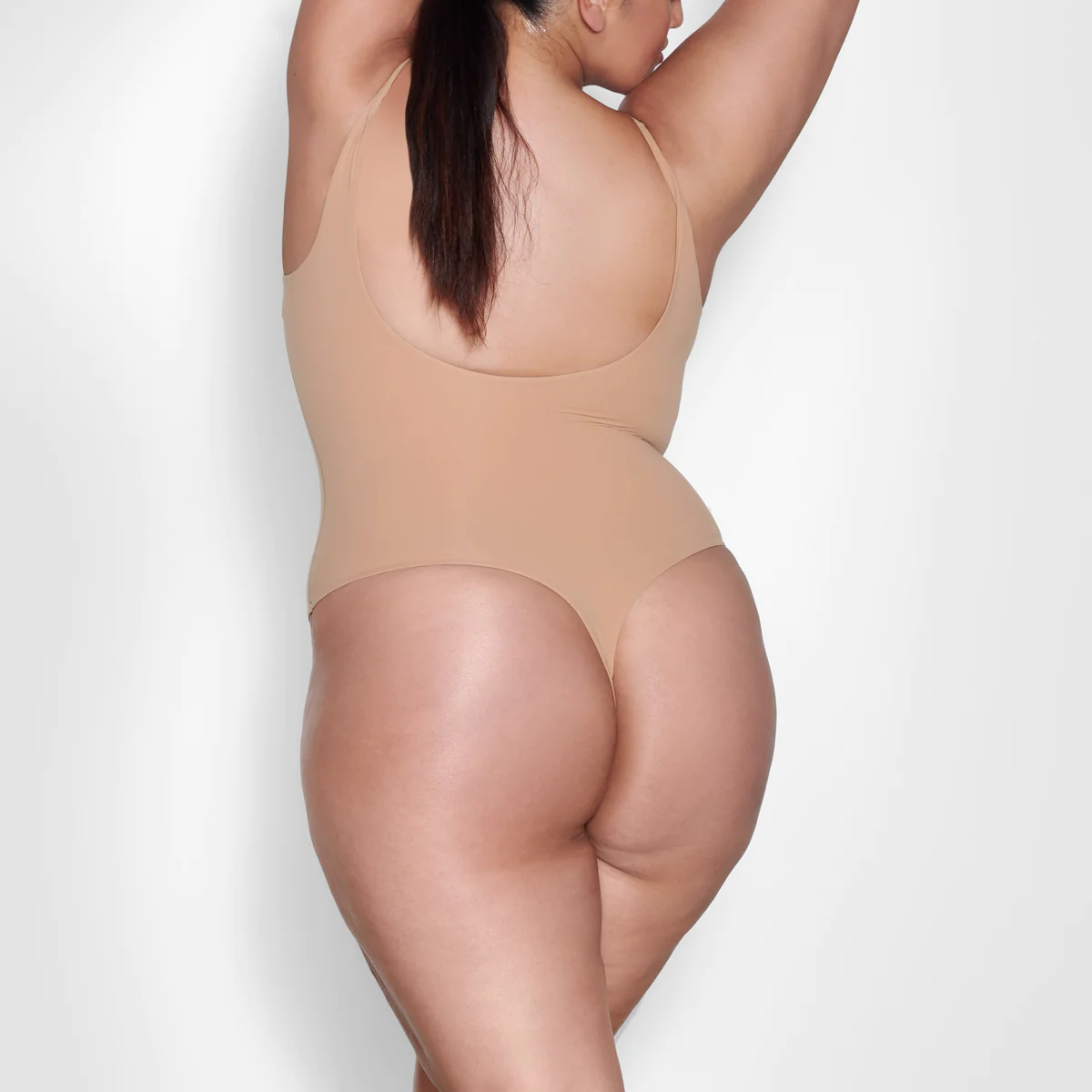
Skims’ sale section is always worth checking out. According to on-site Skims reviewers, this bodysuit is “actually worth the hype.”
Shop Skims
Skims Square Neck Bodysuit, $, available at Skims
Lululemon
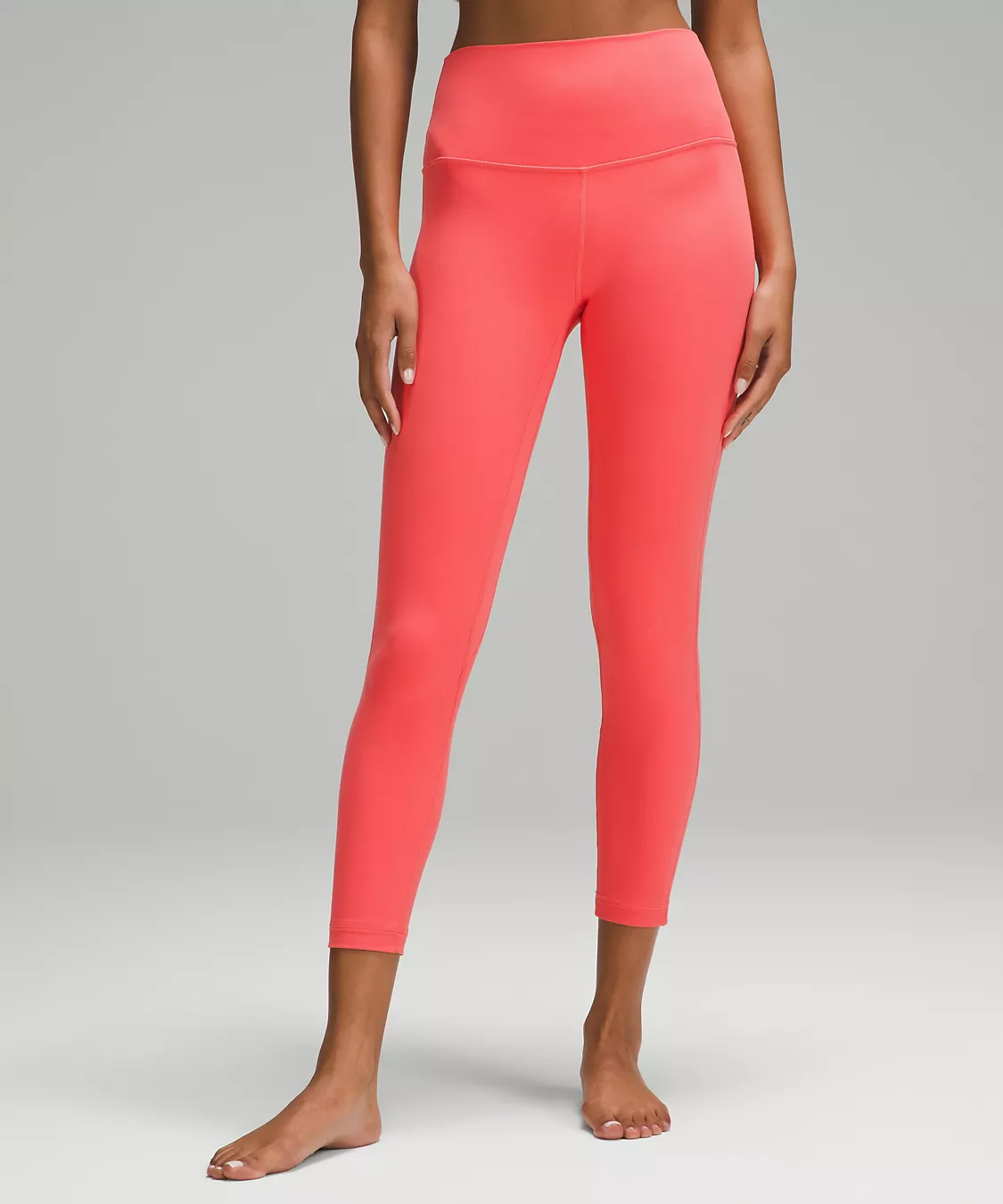
Lululemon has perfected that balance between softness and support in its leggings — and we love them even more when they’re hiding in Lulu’s famous We Made Too Much section.
Shop Lululemon
Lululemon Align™ High-Rise Pant 25″, $, available at Lululemon

Free People
This weekend we’ve definitely got our eye on Free People’s sale section. There’s an item to suit every taste, especially for spring wardrobe refreshes.
Shop Free People
Free People So Soft Found My Friend Cardi, $, available at Free People
Anthropologie
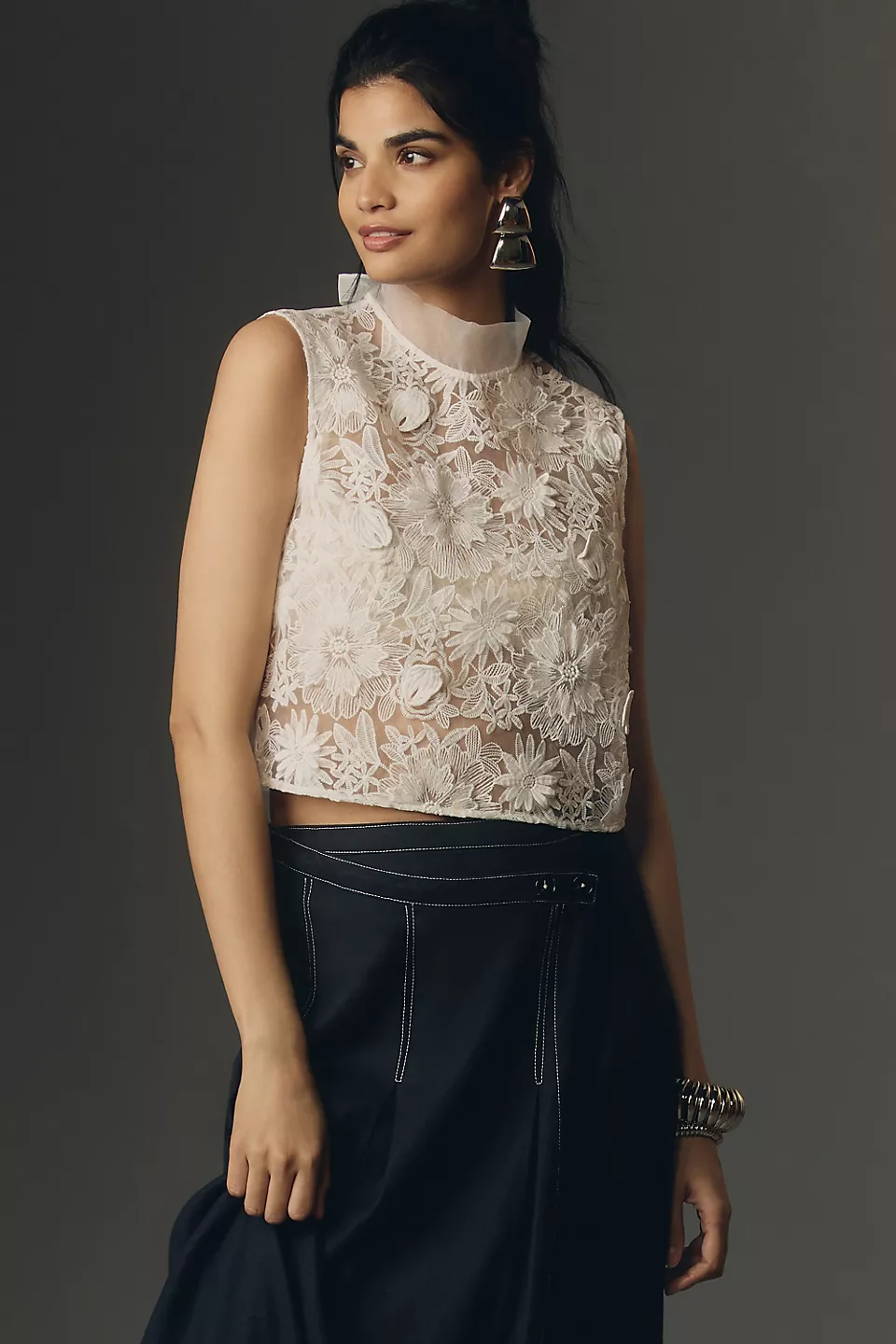
Another R29-reader go-to and one of our personal favorite stores to scroll through the sale section of: Anthropologie. This weekend you can also score up to 30% off furniture, décor, bedding, and more.
Shop Anthropologie
Maeve Sleeveless Sheer Floral Blouse, $, available at Anthropologie
R+Co
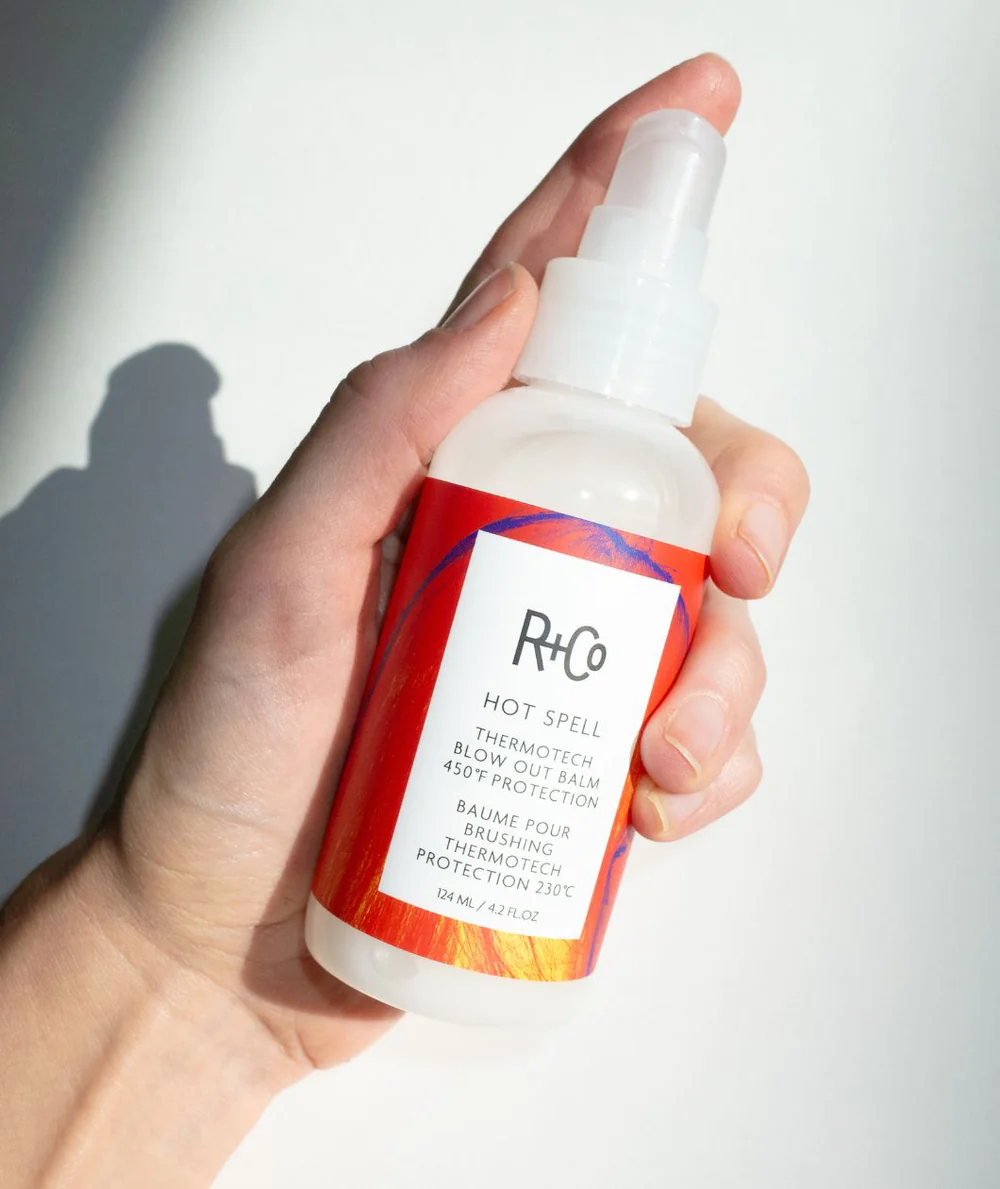
Birthday celebrations are always a good time — especially when you can get 30% off award-winning haircare products from R+Co with code CELEBRATE.
Shop R+Co
R+Co Hot Spell Thermotech Blow Out Balm, $, available at R+Co

Wet For Her
What is a weekend sale roundup without a sale on some of the best lesbian sex toys? This weekend, score up to 40% off toys during Wet For Her’s Sale.
Shop Wet For Her
Wet For Her Bunny Silicone Rechargeable Vibrator, $, available at Wet For Her
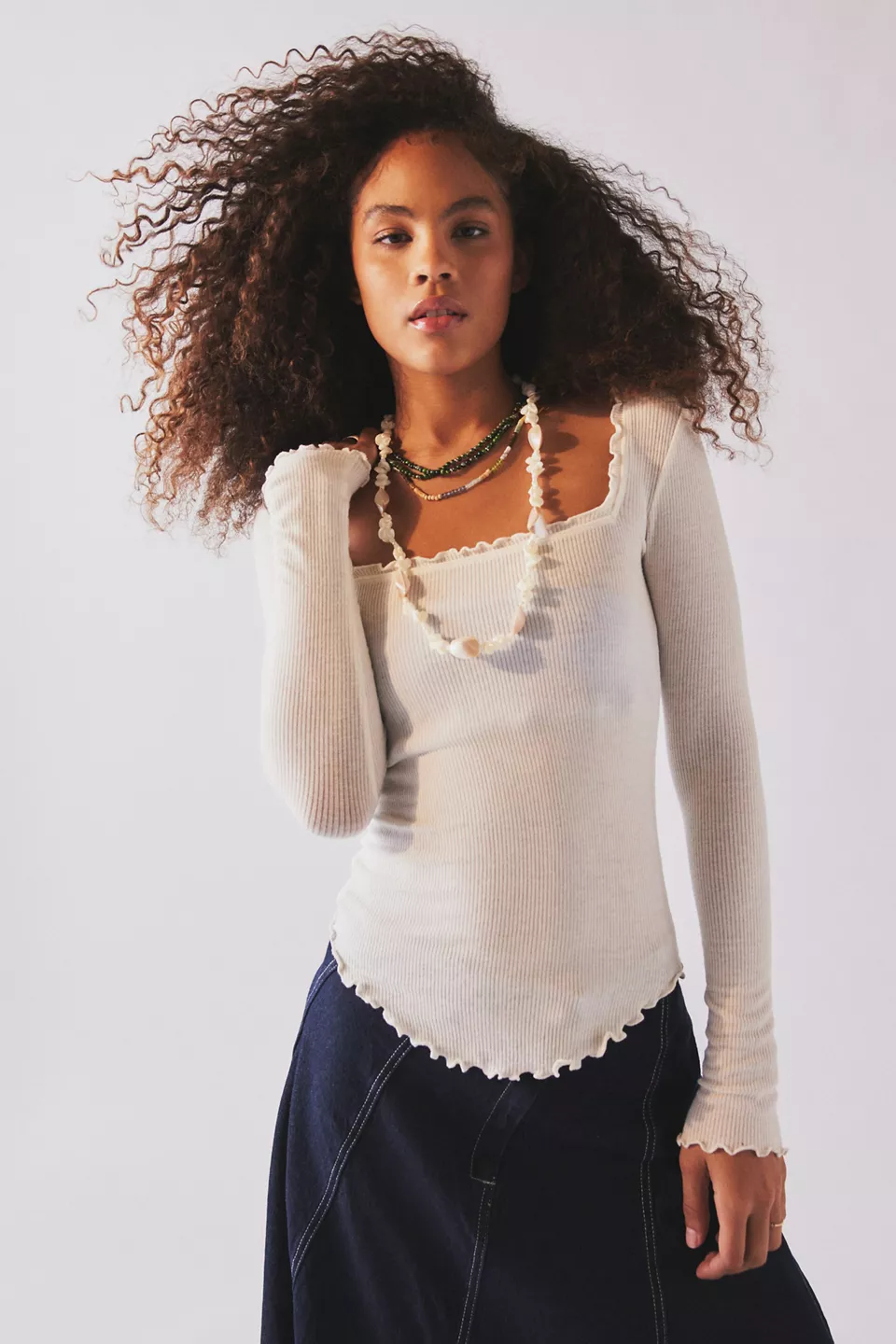
Urban Outfitters
We can safely say that scrolling through Urban Outfitters‘ sale section to see what’s new is one of our favorite weekend hobbies. Right now take an extra 40% off select sale styles.
Shop Urban Outfitters
Out From Under Square Neck Layering Top, $, available at Urban Outfitters
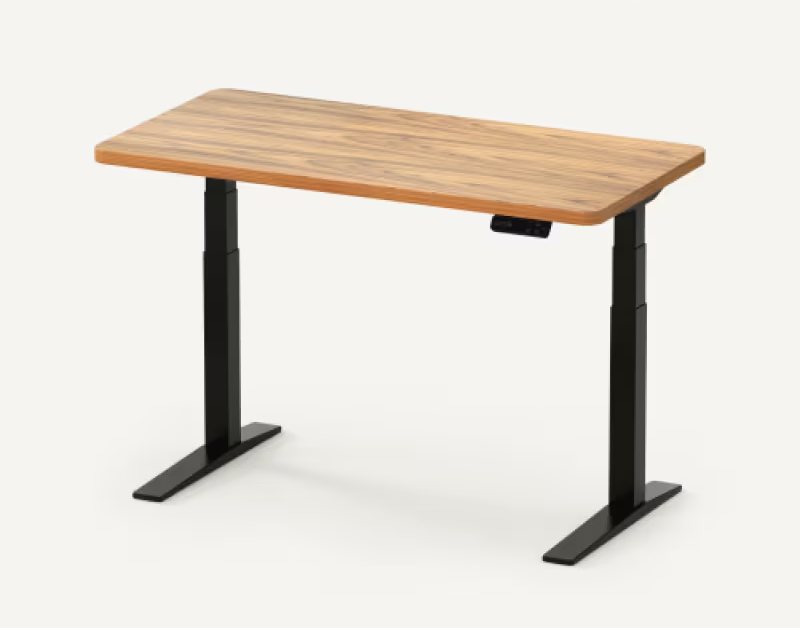
Flexispot
Speaking of spring cleaning, are you on the hunt for new office equipment? This weekend score Flexispot standing desks, office chairs, and more for up to 50% off.
Shop Flexispot
Flexispot E7 Pro Premium Standing Desk, $, available at Flexispot
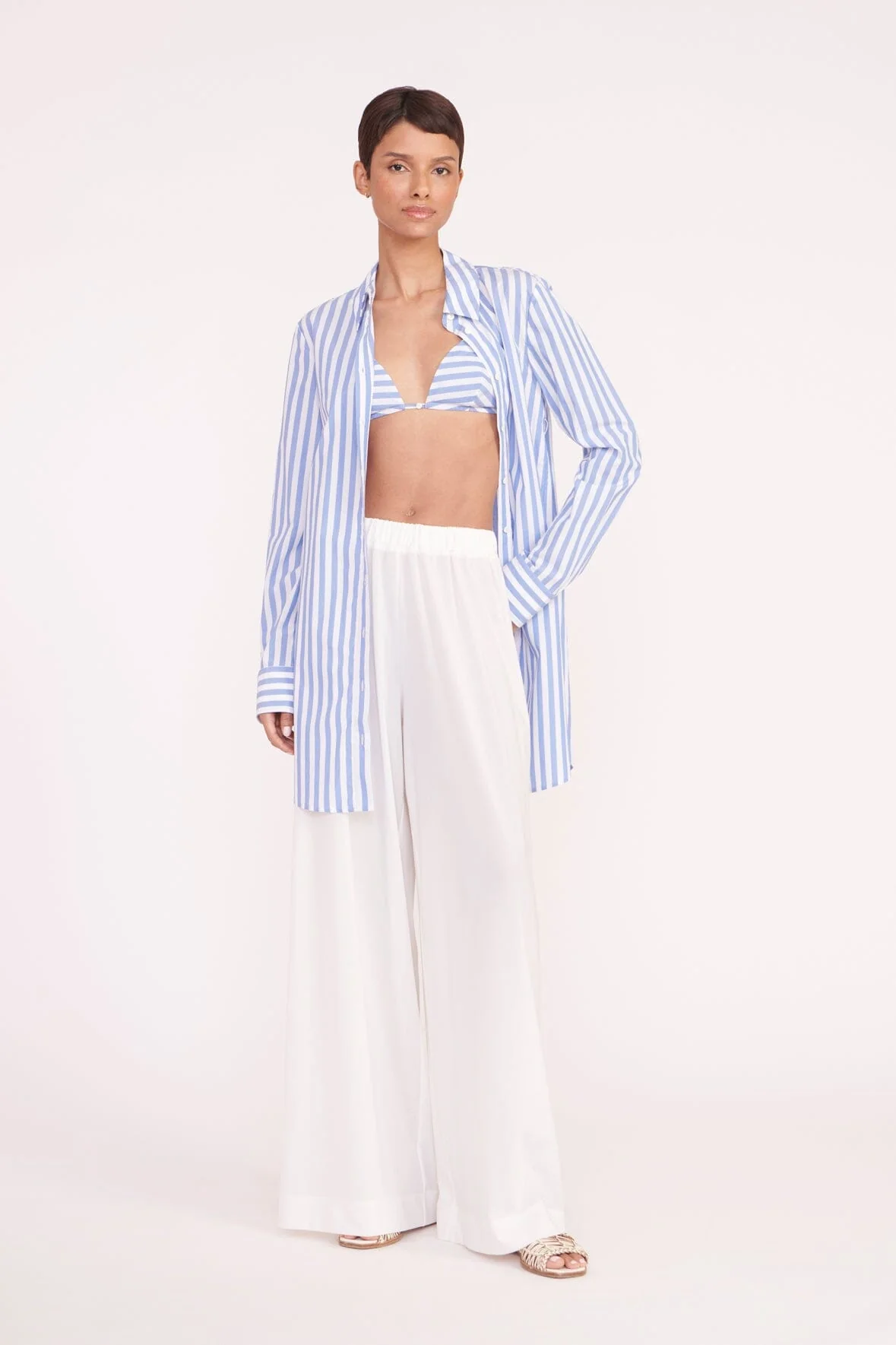
Staud
Staud is having a sample sale, I repeat Staud is having a sample sale! For a limited time, shop it for up to 75% off items. If you’re doing a whole haul, score 20% off $250 with code SAVE20 and 30% off $350 with code SAVE30.
Shop Staud
Staud Alita Tunic Sea Stripe, $, available at Staud
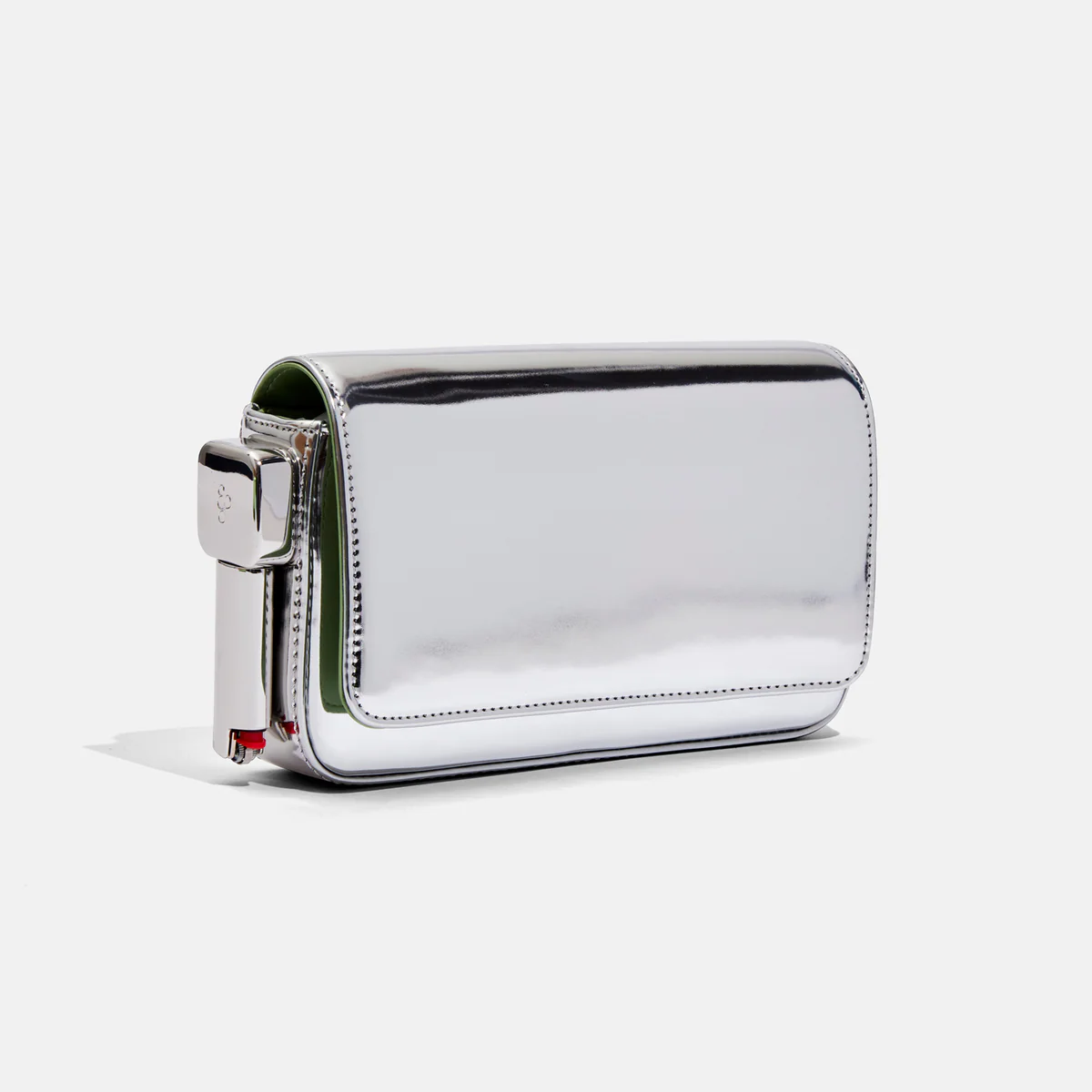
Edie Parker
Light up every room you enter with this chic clutch with an integrated retractable lighter holster that you can score for 25% off during the 420 sale. Be sure to check out Edie Parker’s select other goodies on sale like this Sock Coin Purse.
Shop Edie Parker
Edie Parker Burn Clutch, $, available at Edie Parker
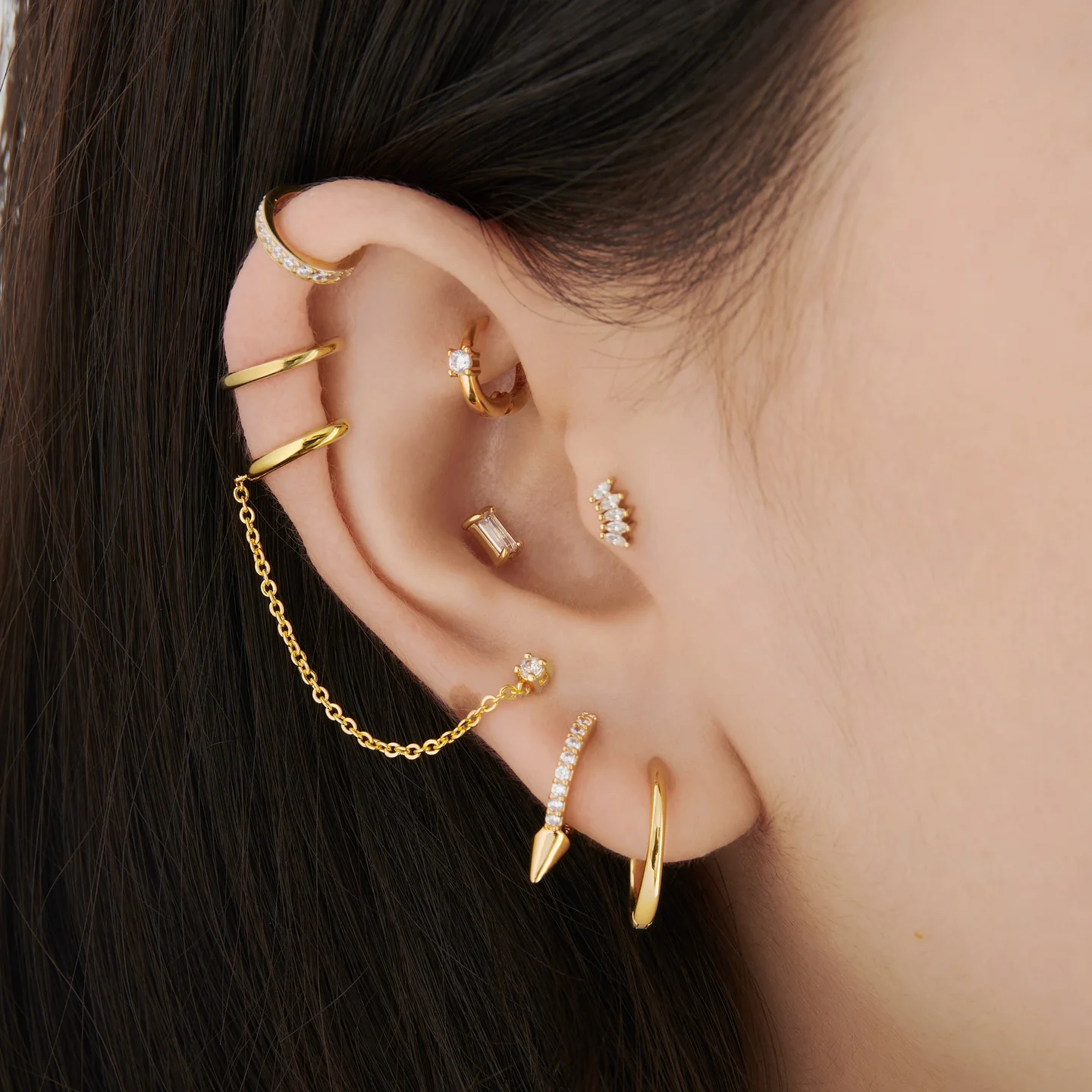
Studs
New season means new jewelry, right? Well, you’re in luck as Studs is having a spring sale where you can get an extra 20% off sitewide and 25% off for orders $100+.
Shop Studs
Studs CZ Helix Huggie, $, available at Studs
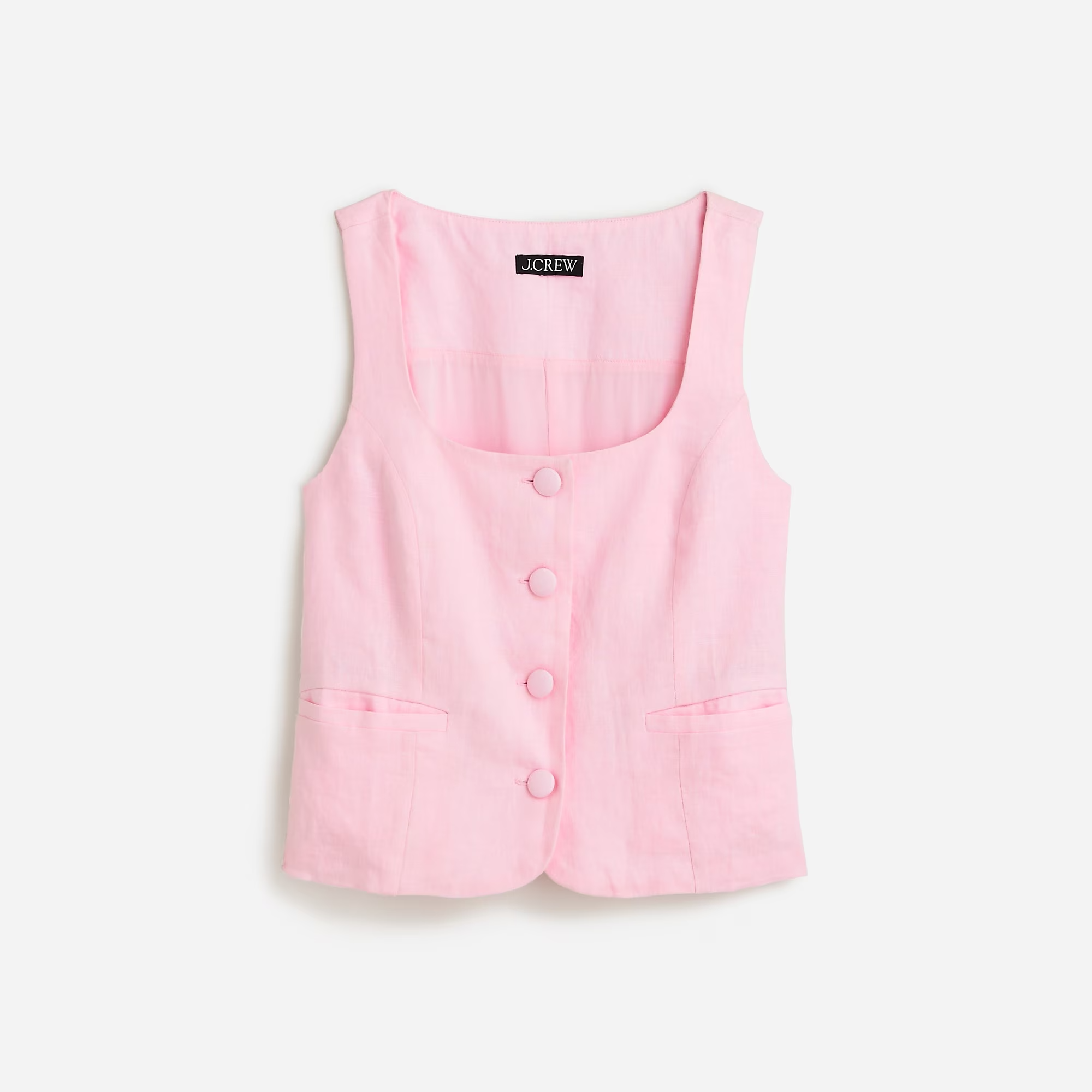
J.Crew
If there’s one thing we can count on, it’s preppy retailer and reader-favorite J.Crew running a super sale. This weekend, get up to 60% additional off sale styles with code SHOPSALE.
Shop J.Crew
J.Crew Scoopneck Linen-Blend Vest, $, available at J.Crew
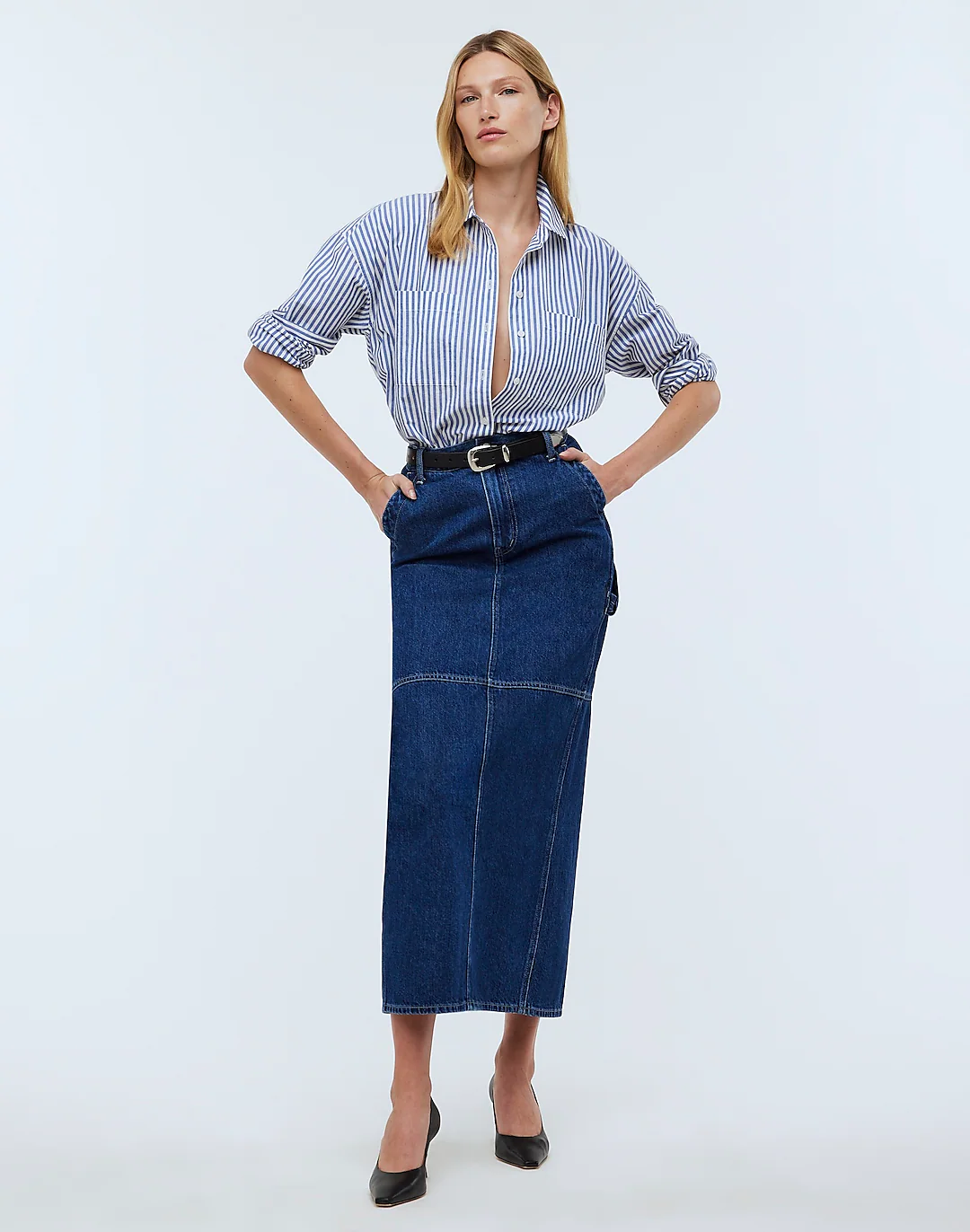
Madewell
We’re simply suckers for any sort of Madewell discount. And this weekend — when it’s offering cute spring staples like this denim maxi skirt — is no exception. Take up to 70% off sale and an extra 30% off sale with code SPRING30.
Shop Madewell
Madewell Denim Carpenter Maxi Skirt, $, available at Madewell

Cozy Earth
Cozy up in bed with everything from new cooling sheets to ultra-soft pajama sets because Cozy Earth gifted us up to 30% off everything.
Shop Cozy Earth
Cozy Earth Bamboo Sheet Set, $, available at Cozy Earth
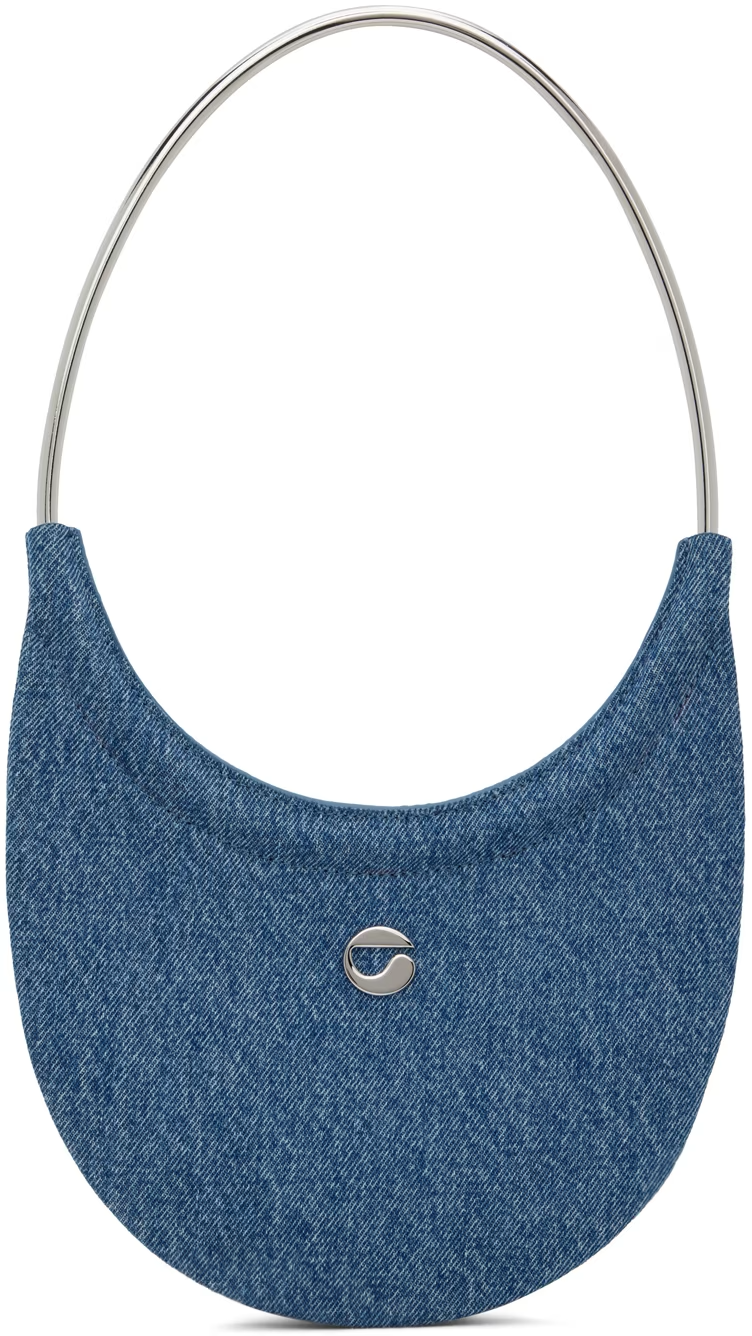
SSENSE
From Sporty & Rich to Balmain, some of our favorite designers are on sale this weekend. Scroll through and you might just find your spring staple piece — we’re eyeing this Coperni denim bag. If you have the SSENSE App, you can score 20% off on full-price items with code SS2024.
Shop SSENSE
Coperni Blue Denim Ring Swipe Bag, $, available at SSENSE
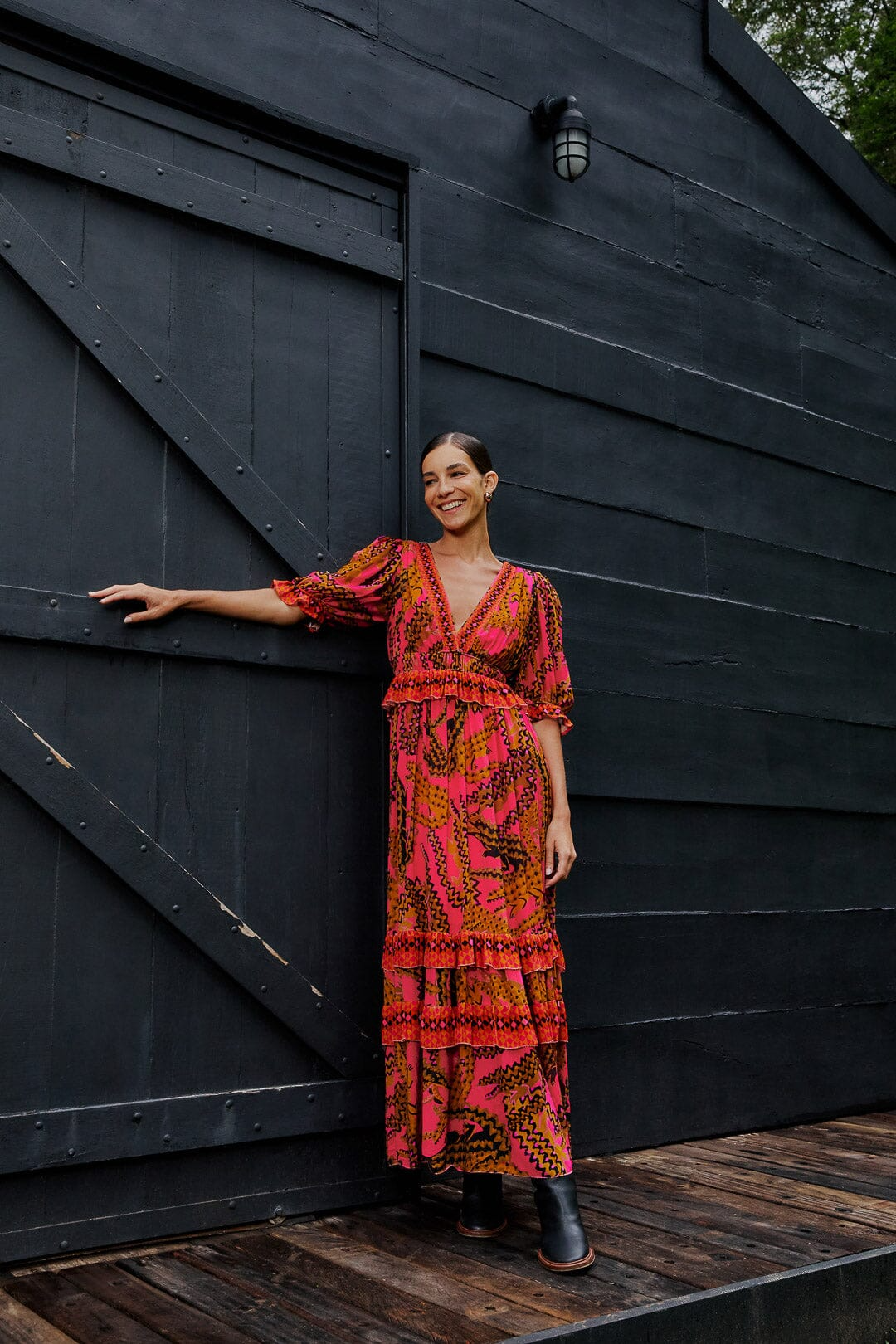
Farm Rio
It’s always a sunny day in our books when Farm Rio has new things on sale — how could you not crack a smile with the bold prints and bright colors! New shoppers can also score 15% off first purchase with code WELCOME15.
Shop Farm Rio
Farm Rio Pink Croco Short Sleeve Maxi Dress, $, available at Farm Rio
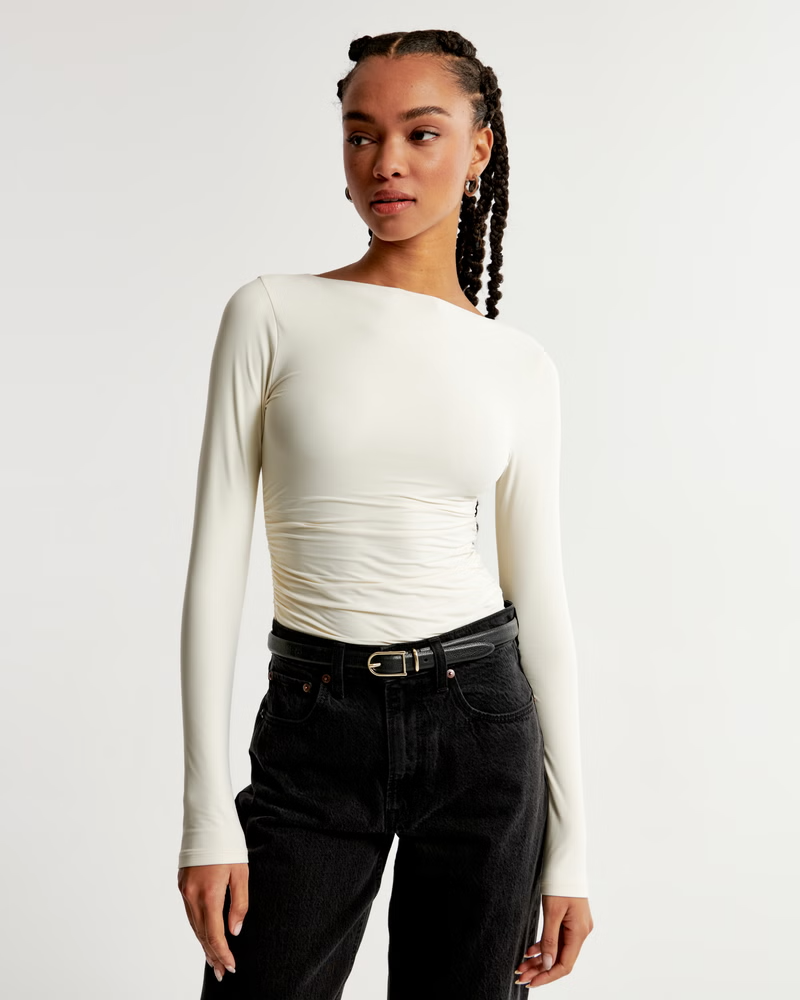
Abercrombie & Fitch
Dig through Abercrombie & Fitch‘s clearance section this weekend to stock up on all your essentials. Additionally, this weekend take 25% off YPB collection.
Shop Abercrombie & Fitch
Abercrombie & Fitch Soft Matte Seamless Long-Sleeve Slash Bodysuit, $, available at Abercrombie & Fitch
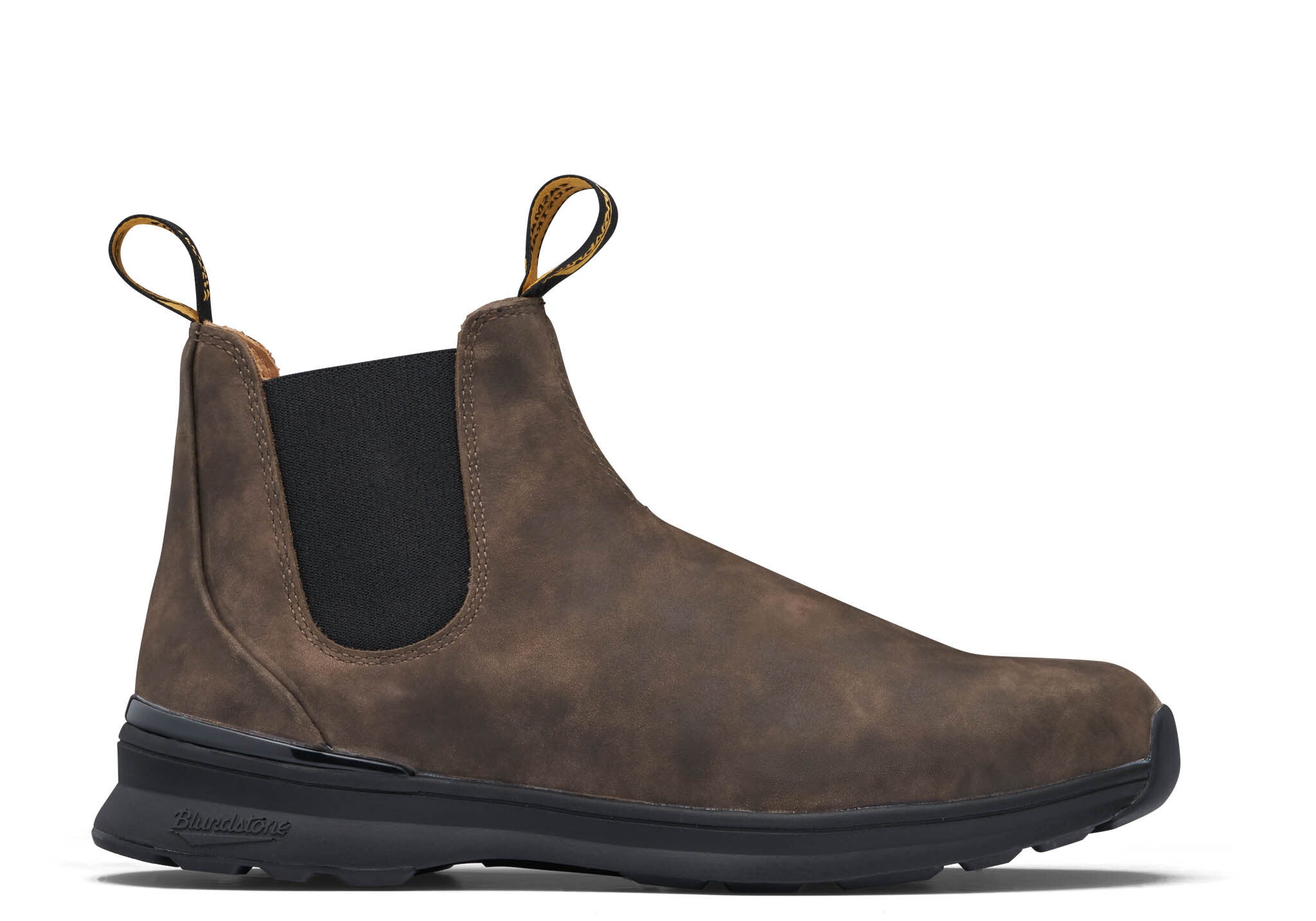
Blundstone
Blundstones are always in style in our book. Luckily, this weekend you can score select shoes for 25% off.
Shop Blundstone
Blundstone #2144 Women’s Active Chelsea Boot, $, available at Blundstone
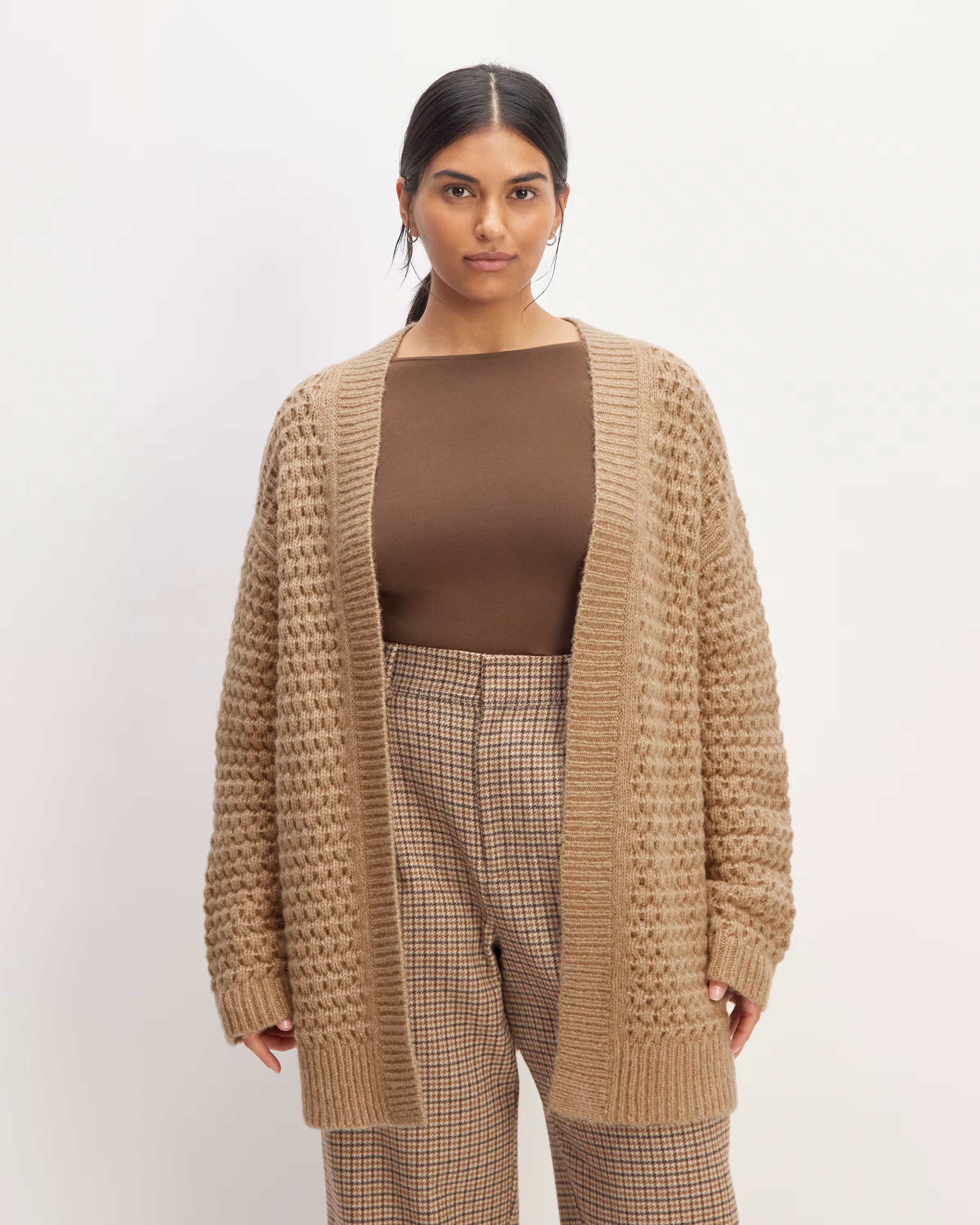
Everlane
Often when it comes to sweatshirts, hoodies, and other loungewear, it’s hard to find the balance between comfort and style — well, we’d say we found it with this oversized cardigan (and the rest of Everlane‘s up-to-60%-off sale selection).
Shop Everlane
Everlane The Cloud Oversized Textured Cardigan, $, available at Everlane

Zara
There is never a wrong time to stock up on basics, especially when you can do so without paying full price. Take a peek at Zara’s Special Prices section to find your next closet staple.
Shop Zara
Zara Buttoned Cropped Jacket, $, available at Zara
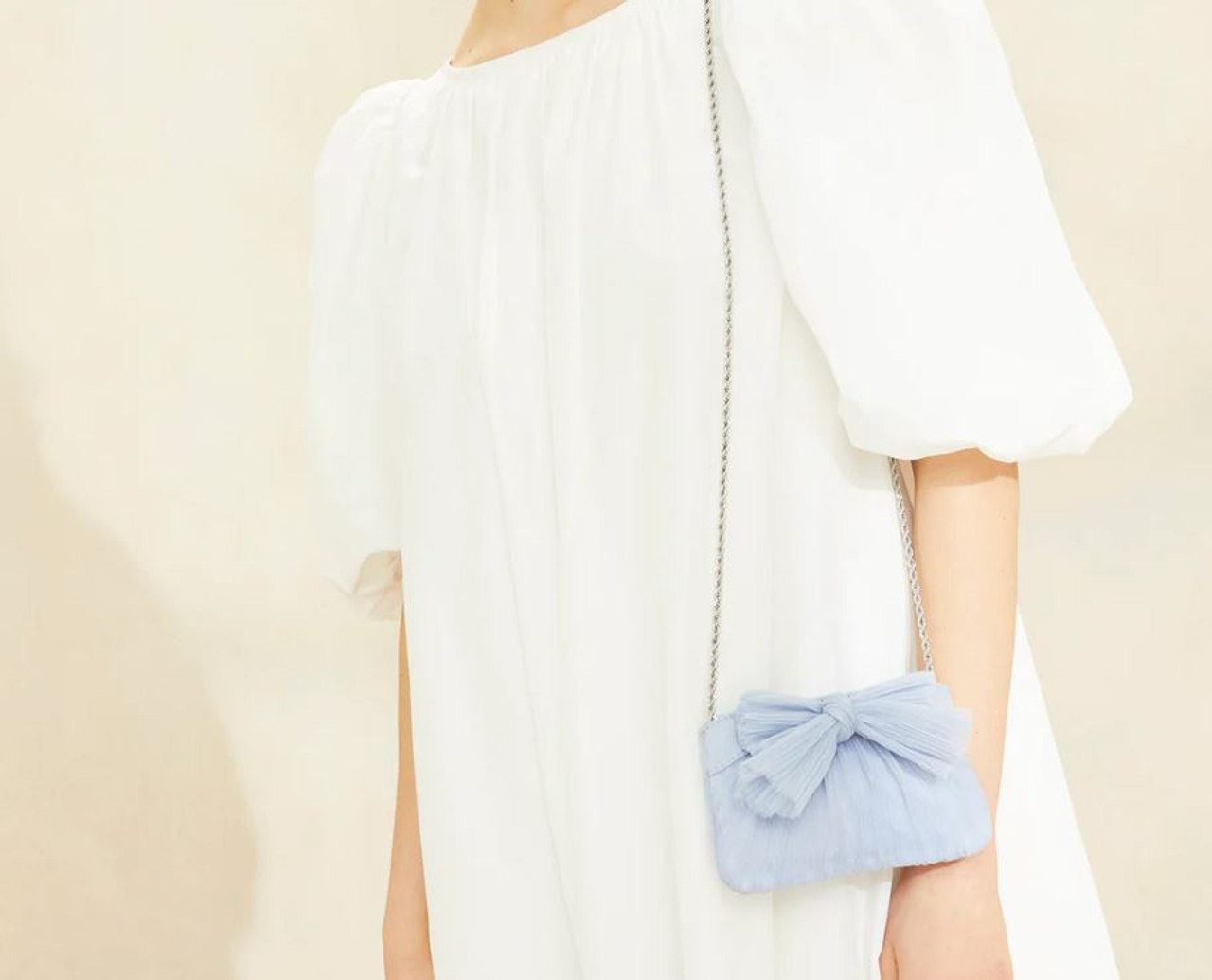
Loeffler Randall
Stock up on dreamy dresses, coquette accessories, and chic handbags during Loeffler Randall’s up-to-60% off sale.
Shop Loeffler Randall
Loeffler Randall Rochelle Blue Mini Bow Clutch, $, available at Loeffler Randall

Case Mate
Spring has sprung and it’s time to refresh your phone case for the new season. This weekend you can score phone cases for 40% off with code CASE40.
Shop Case Mate
Case Mate Twinkle Disco MagSafe, $, available at Case Mate
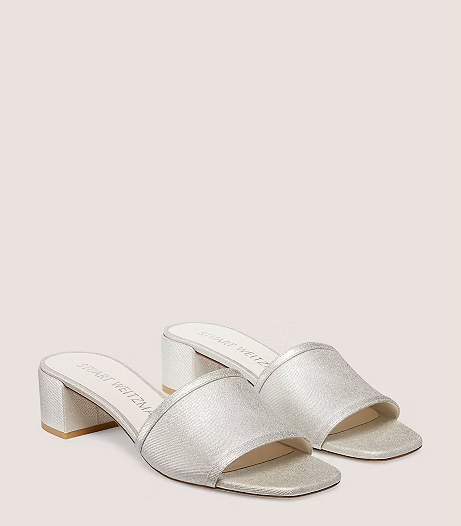
Stuart Weitzman
We are big believers in getting ourselves treats, especially when it’s finely crafted footwear. For a limited time take 25% off select styles with code SPRING25.
Shop Stuart Weitzman
Stuart Weitzman Cayman 35 Block Slide, $, available at Stuart Weitzman

Ban.do
Stocking up on adorable decor has never been easier with Ban.do’s warehouse sale with items up to 50% off. Score cutesy items — like this precious printed Long Sleeve Leisure Shirt that’s currently 60% off.
Shop Ban.do
ban.do Long Sleeve Leisure Shirt, $, available at ban.do
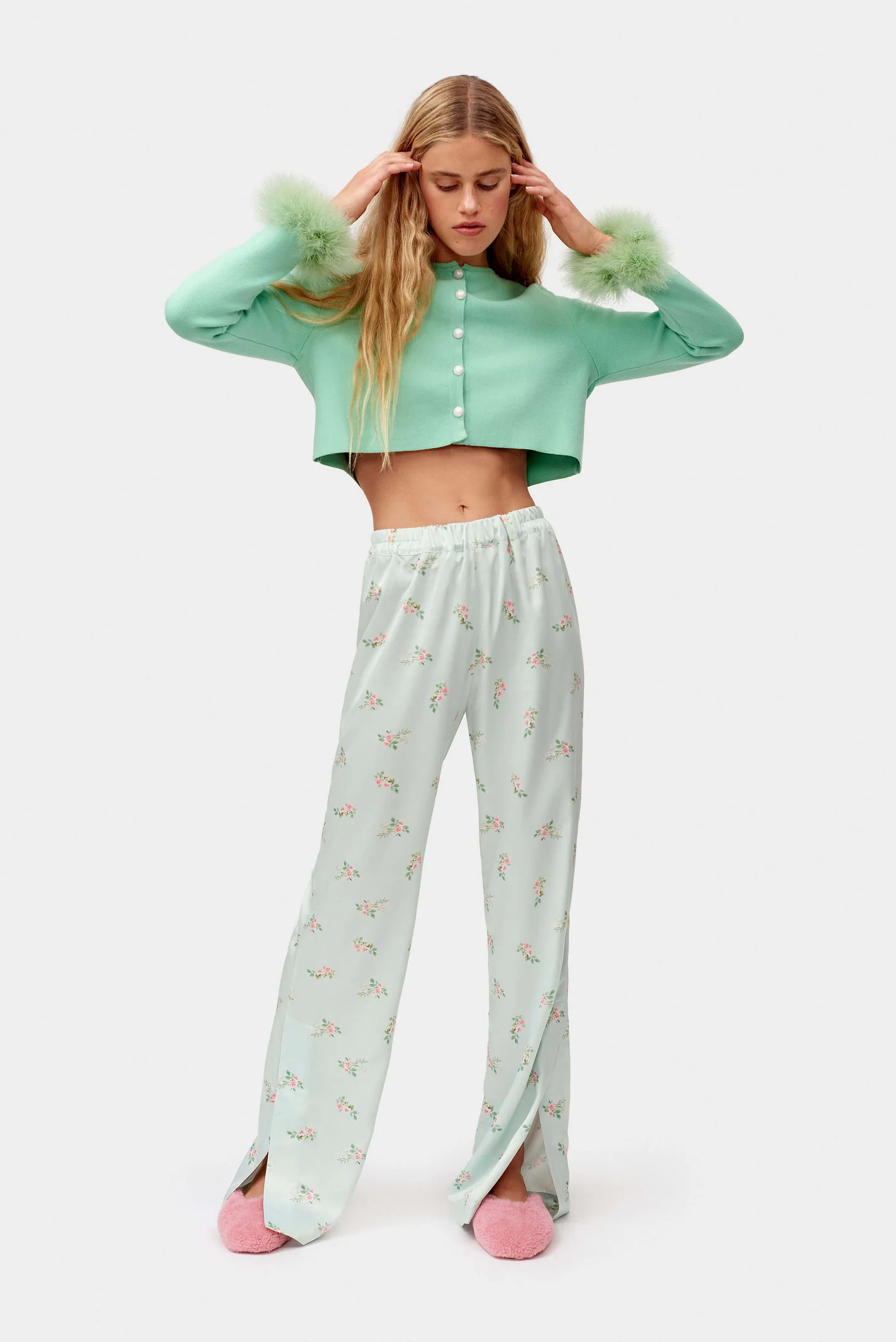
Sleeper
Climbing into bed just got even more luxurious with Sleeper’s sale section selection now an additional 25% off.
Shop Sleeper
Sleeper Knitted Cardigan with Detachable Feathers, $, available at Sleeper

Etam
Bring sexy back with Etam’s Spring Sale. This weekend, score lingerie, apparel, and more for up to 50% off.
Shop Etam
Etam Bra No. 4 – Lightly Lined Demi Bra, $, available at Etam

Revolve
What could possibly be better than beautiful new Revolve outfits decorating our closets? Buying them on sale, of course. Scour the sale section for some gems at this reader-favorite brand.
Shop Revolve
Amanda Uprichard Martine Mini Dress, $, available at Revolve

Chewy
There’s a reason Chewy is a fan favorite among pet parents: The pet retailer has some awesome prices and deals. And this weekend’s sale means you can score a discount on hundreds of items, such as this super-cute pickle toy.
Shop Chewy
Catstages Crunchy Pickle Kicker Plush Cat Toy with Catnip, $, available at Chewy

Babeland
This weekend, sex toy retailer Babeland is gifting us with up to 70% off select bestselling vibrators and toys.
Shop Babeland
The One Rabbit, $, available at Babeland

Outdoor Voices
Give in to the tennis-core aesthetic with Outdoor Voices’ sale selection — including this OV tennis skort.
Shop Outdoor Voices
Outdoor Voices Court Skort™ 4.5″, $, available at Outdoor Voices
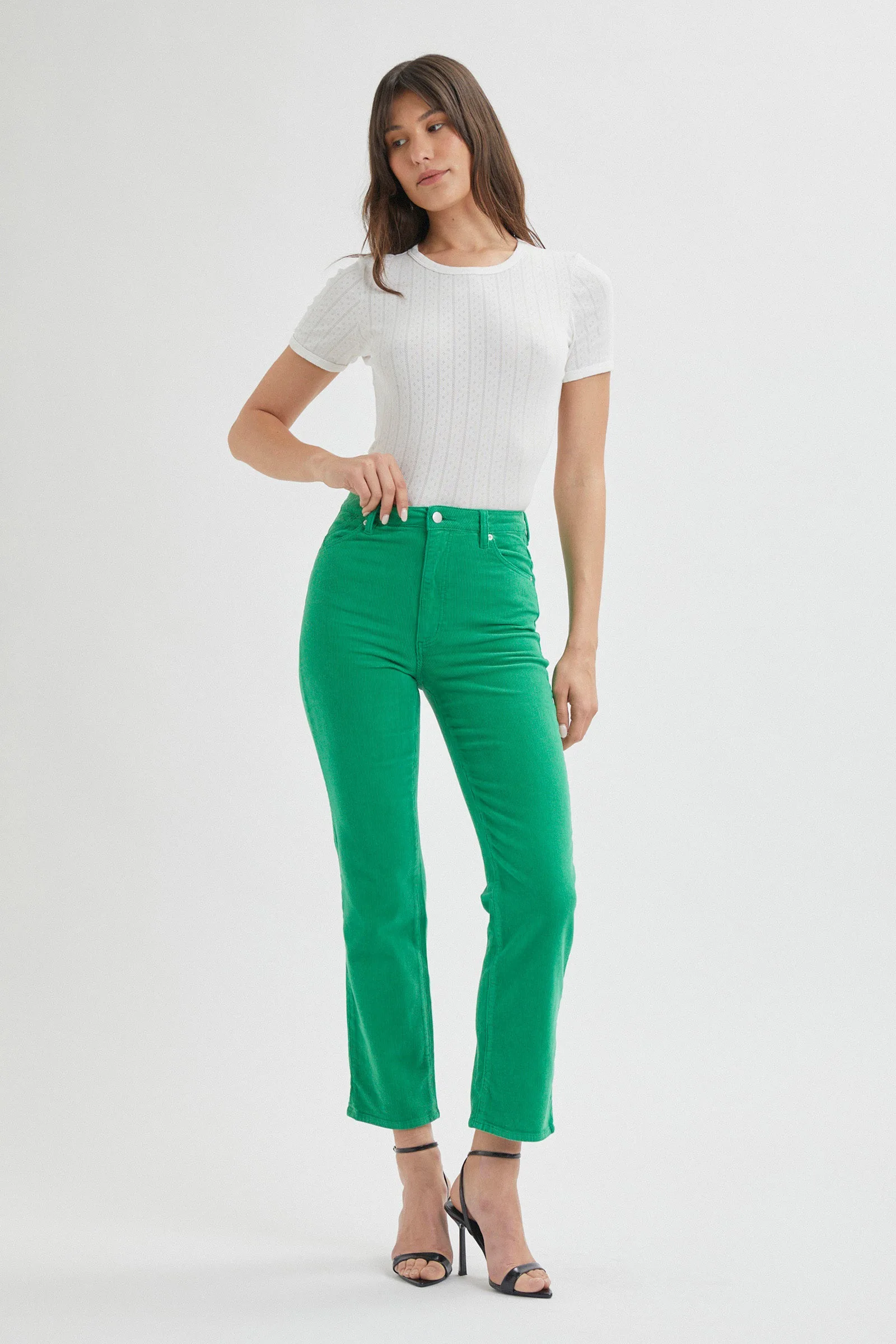
Rolla’s Jeans
Time to add some color to your denim wardrobe choices, what better way to do that than Rolla’s sale section with styles up to 70% off.
Shop Rolla’s Jeans
Rollas Jeans Original Straight, $, available at Rollas Jeans

Staud
Here at Refinery29, we are big animal people, we love celebrating our furry friends whenever possible. Staud is showing its love and celebrating this weekend with 20% off Staud Pet with code PET20.
Shop Staud
Staud Custom Moon Bag Tan, $, available at Staud

Amazon
The limit simply does not exist when it comes to Amazon deals. Whether it’s the viral damp duster or just about anything else, expect the mass e-retailer to have it at a discount. This weekend shop the Big Spring Sale for hundreds of items on sale!
Shop Amazon
Jeymei 4-Pack Damp Clean Duster Sponge, $, available at Amazon

Brooklinen
FOR SHORT TIME SALE
For a short time, shop everyone’s favorite towel and sheet store is having a sale where you can get 25% off its sleep-inducing comforters.
Shop Brooklinen
Brooklinen Lightweight Down Comforter, $, available at Brooklinen
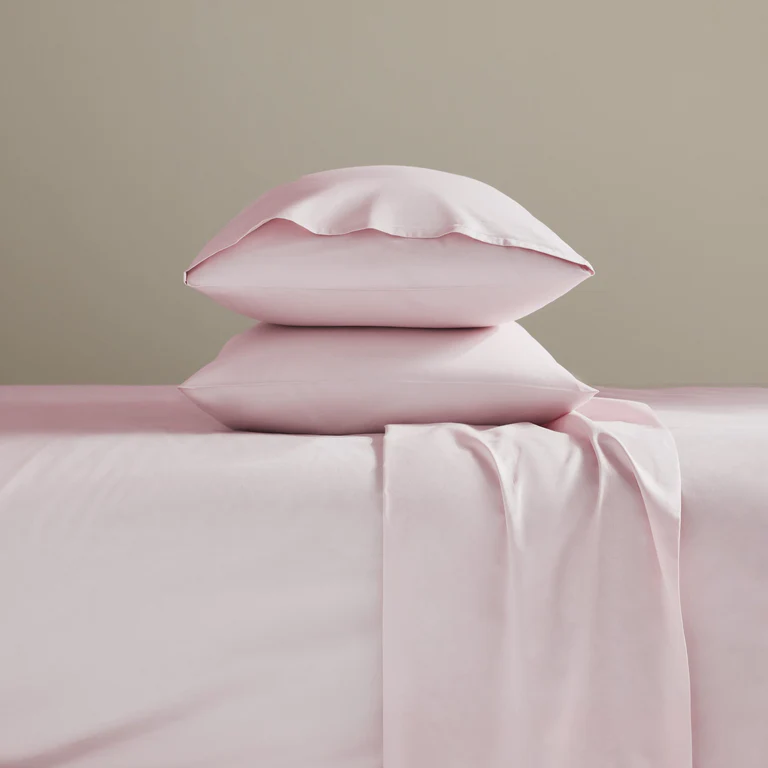
Brooklinen
Shop everyone’s favorite towel and sheet store for up to 50% off its sleep-inducing Last Call sale selection.
Shop Brooklinen
Brooklinen Luxe Sateen Core Sheet Set, $, available at Brooklinen

SeaVees
I see, you see, we both see SeaVees on sale! Step into this season with a comfy new pair of shoes that’ll make your dogs, heart, and pocketbook feel good. We love an environmentally conscious company with a sale.
Shop SeaVees
SeaVees Royal Runner, $, available at SeaVees
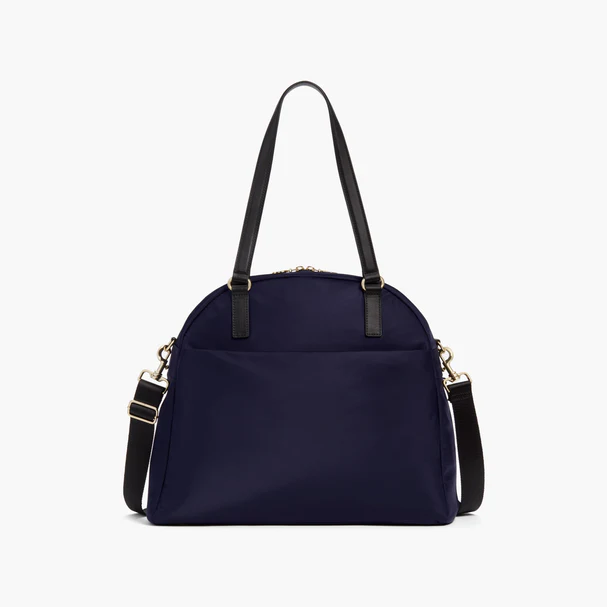
Lo & Sons
We recommend not making brand-new travel plans without a new travel bag to go with them. This reader-beloved brand has up to 40% off select items.
Shop Lo & Sons
Lo & Sons O.G. 2, $, available at Lo & Sons
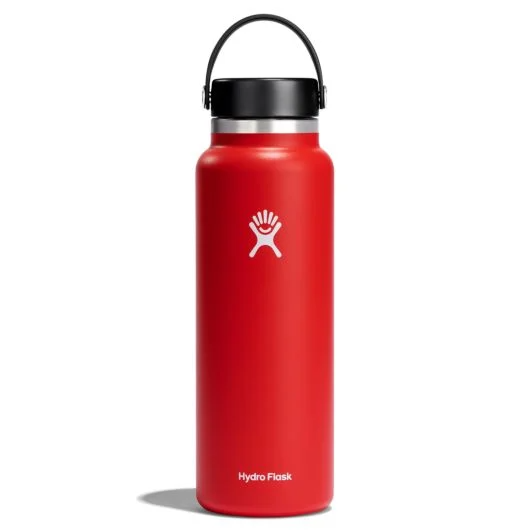
Hydro Flask
Hydro Flask is encouraging you to stay happy, healthy, and hydrated this season with select hydration accessories up to 40% off.
Shop Hydro Flask
Hydro Flask 40 oz Wide Mouth, $, available at Hydro Flask
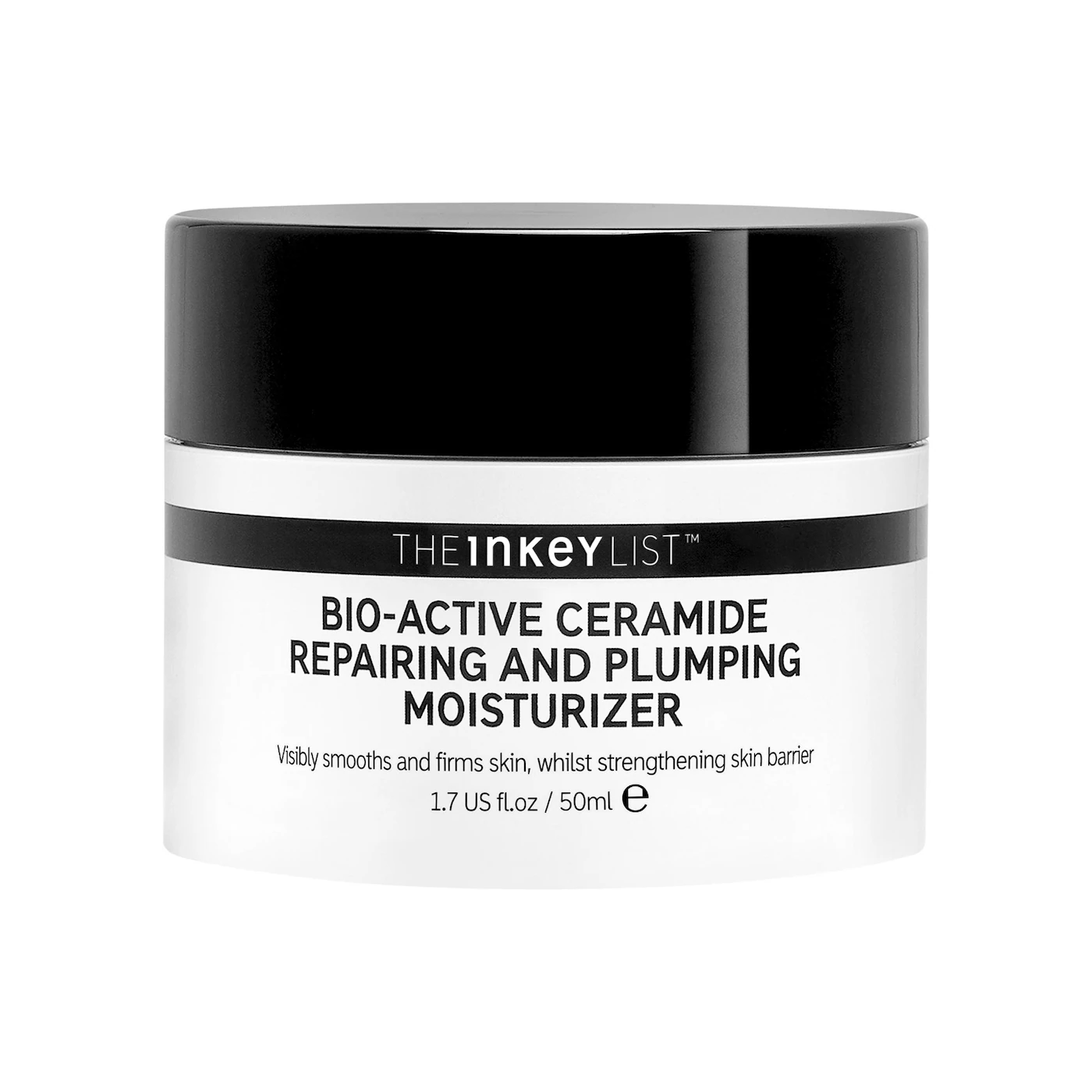
Sephora
During the exciting VIB sale, Rouge level Beauty Insiders can enjoy 20% off select products with code YAYSAVE. Plus get 30% off the whole Sephora Collection! See our Sephora editors’ picks here — we’re taking full advantage and stocking up on all our favorite beauty and skincare products like this Bio Active Moisturizer from the Inkey List. Non-members will have to wait until April 9 to shop sales.
Shop Sephora
The Inkey List Bio-Active Ceramide Repairing and Plumping Moisturizer, $, available at Sephora
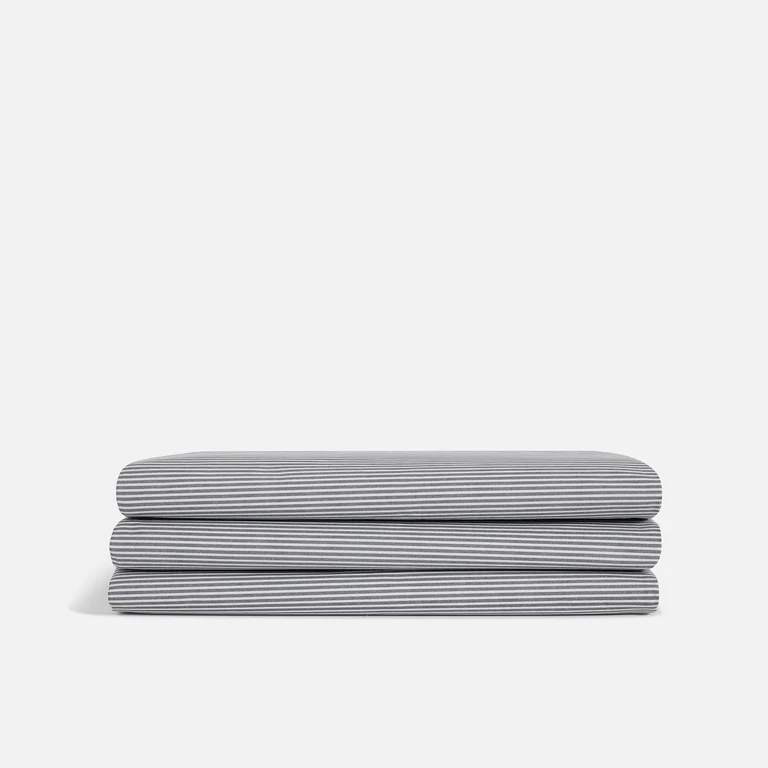
Brooklinen
Shop everyone’s favorite towel and sheet store for up to 75% off its sleep-inducing sale selection. And, this Presidents Day Weekend you can shop sitewide for 20% off.
Shop Brooklinen
Brooklinen Classic Percale Flat Sheet, $, available at Brooklinen

Jenni Kayne
Spring has sprung and so have sales! This weekend score select items from reader-favorite cozy brand Jenni Kayne for 40% off with code SPRING40.
Shop Jenni Kayne
Jenni Kayne Classic Mockneck Pullover, $, available at Jenni Kayne
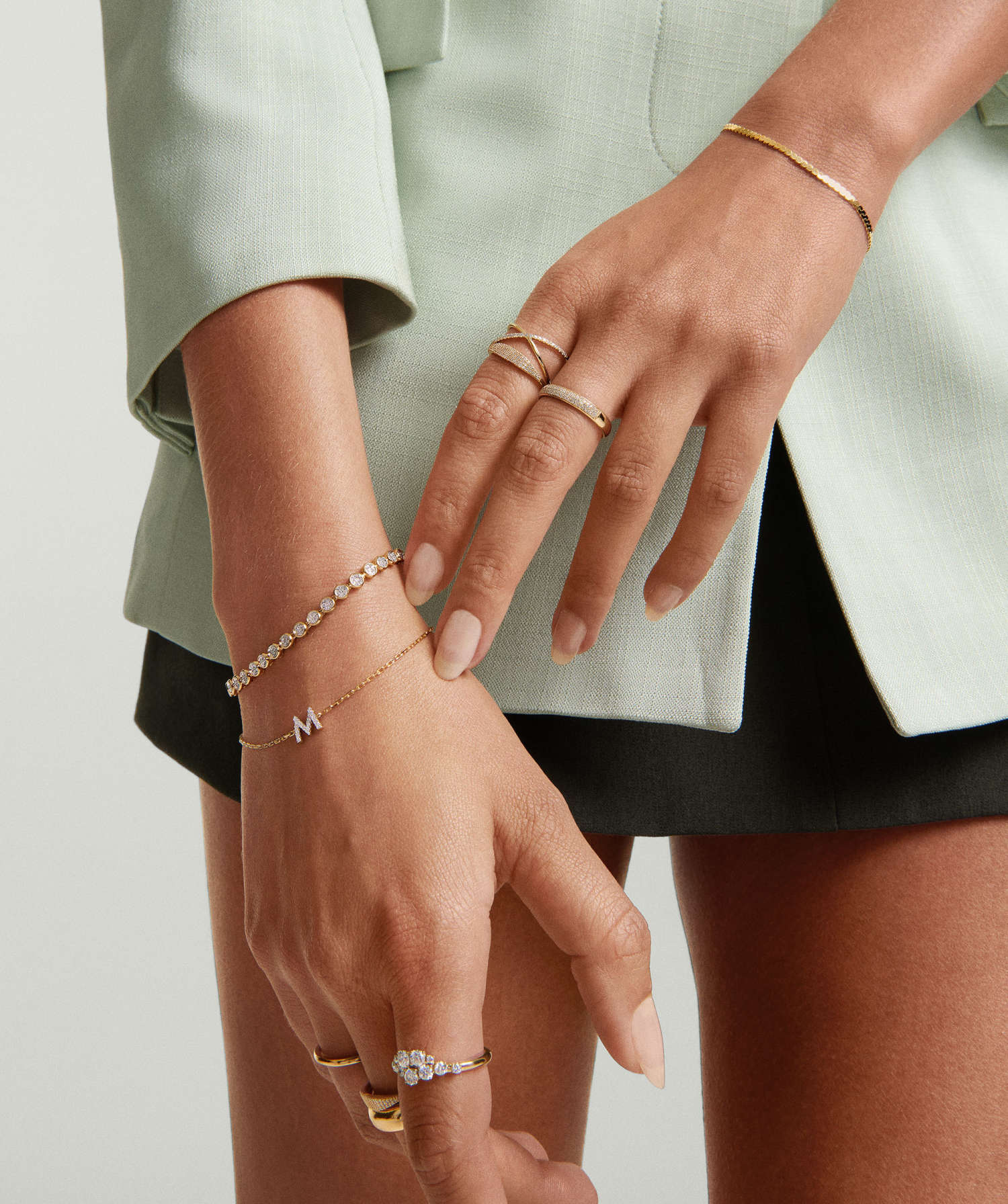
Mejuri
Diamonds are our best friends — especially when we can buy them for a reduced price. This weekend, score 15% off diamonds from Mejuri during the Diamond Week Sale.
Shop Mejuri
Mejuri Diamond Letter Bracelet, $, available at Mejuri
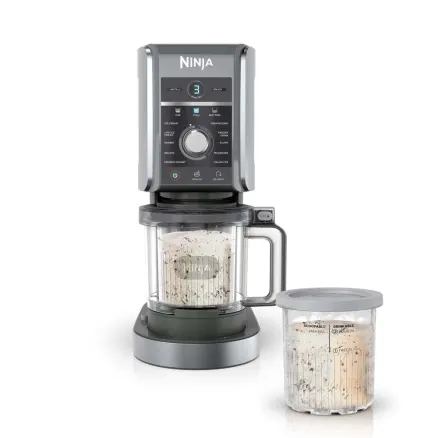
Ninja
One can never have enough kitchen appliances, and Ninja makes it that much easier with up to 31% off select products.
Shop Ninja
Ninja Ninja® CREAMi® Deluxe, $, available at Ninja
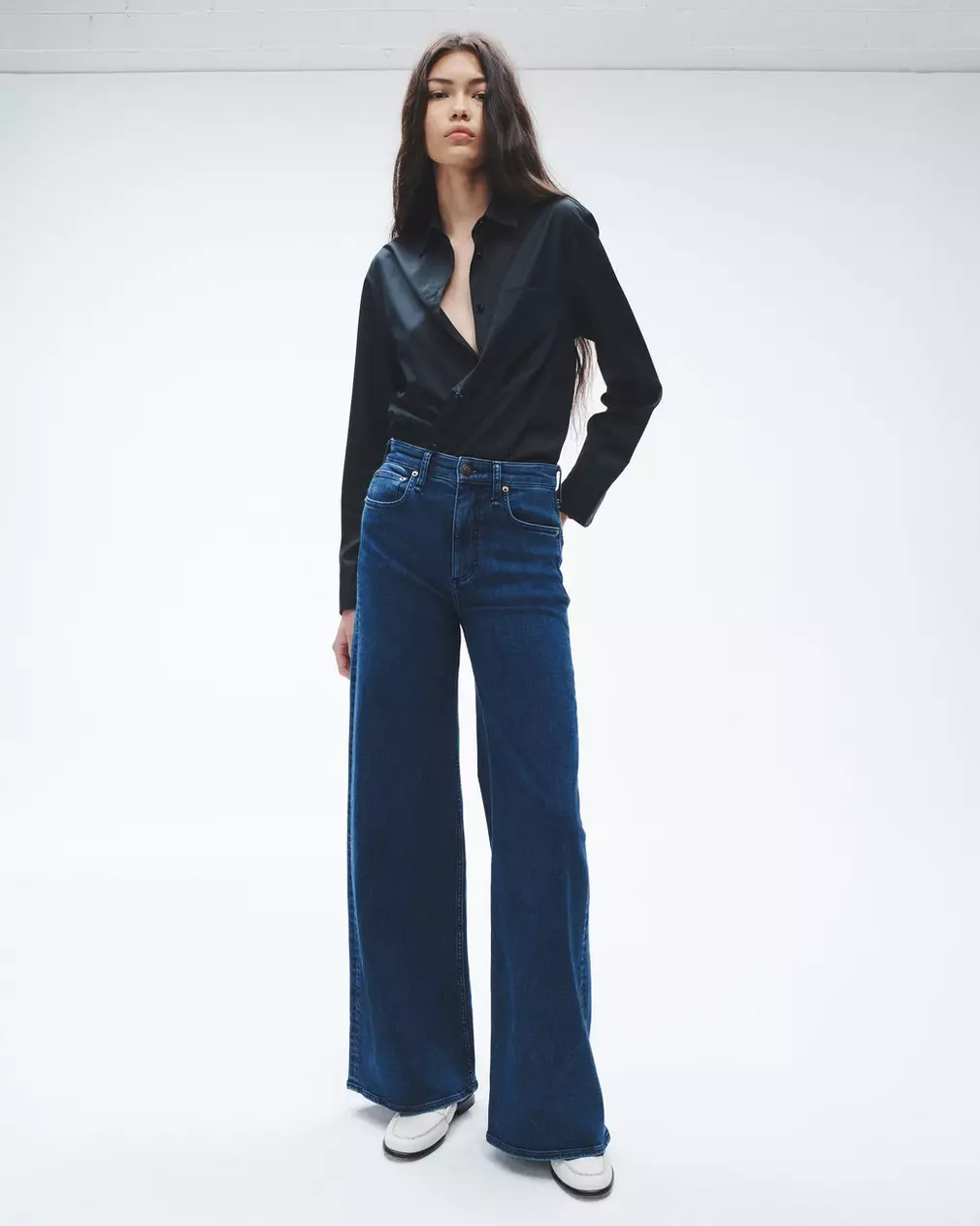
Rag & Bone
Spring has sprung and with it comes a friends and family sale for 25% off sitewide at Rag & Bone. What a lovely way to welcome the warmer weather.
Shop Rag & Bone
rag & bone Sofie Full Length Wide-Leg, $, available at rag & bone

Porter Road
This weekend score select cuts for a discounted price for the Spring Stock Up Sale.
Shop Porter Road
Porter Road Denver Steak, $, available at Porter Road
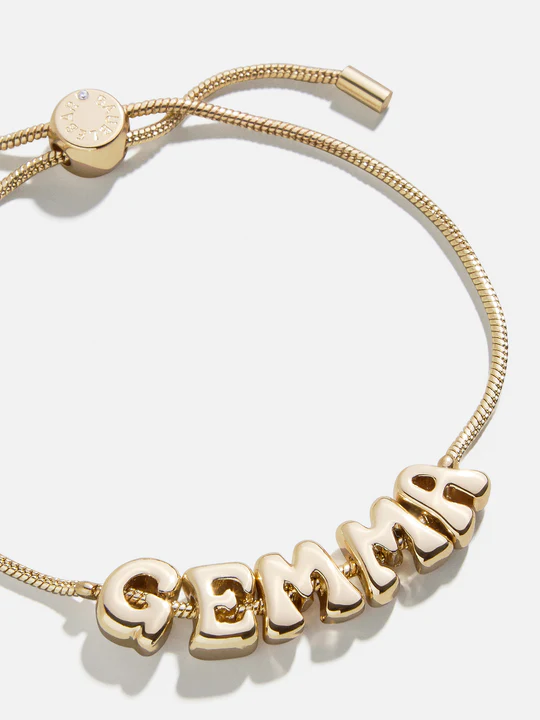
BaubleBar
It’s never a bad time to add some cute accessories to your outfit – especially when you can do so at a discount! This weekend take 25% off sitewide and 20% off custom products.
Shop BaubleBar
BaubleBar Bubble Custom Slider Bracelet, $, available at BaubleBar
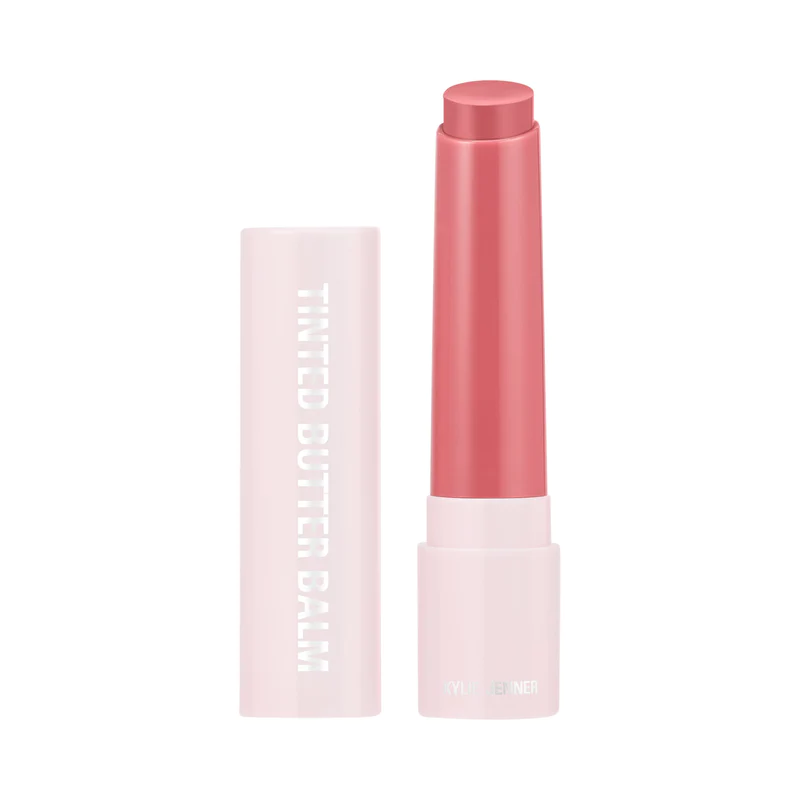
Kylie Cosmetics
Beauty doesn’t have to be pain for your wallet — this weekend shop King Kylie’s cult beauty line for 25% off sitewide.
Shop Kylie Cosmetics
Kylie Cosmetics Tinted Butter Balm, $, available at Kylie Cosmetics
We Wore What
The limit simply does not exist when it comes to Amazon deals. Whether it’s the viral damp duster or just about anything else, expect the mass e-retailer to have it at a discount. This weekend shop the Big Spring Sale for 100s of items on sale!
Shop We Wore What
Jeymei 4-Pack Damp Clean Duster Sponge, $, available at Amazon
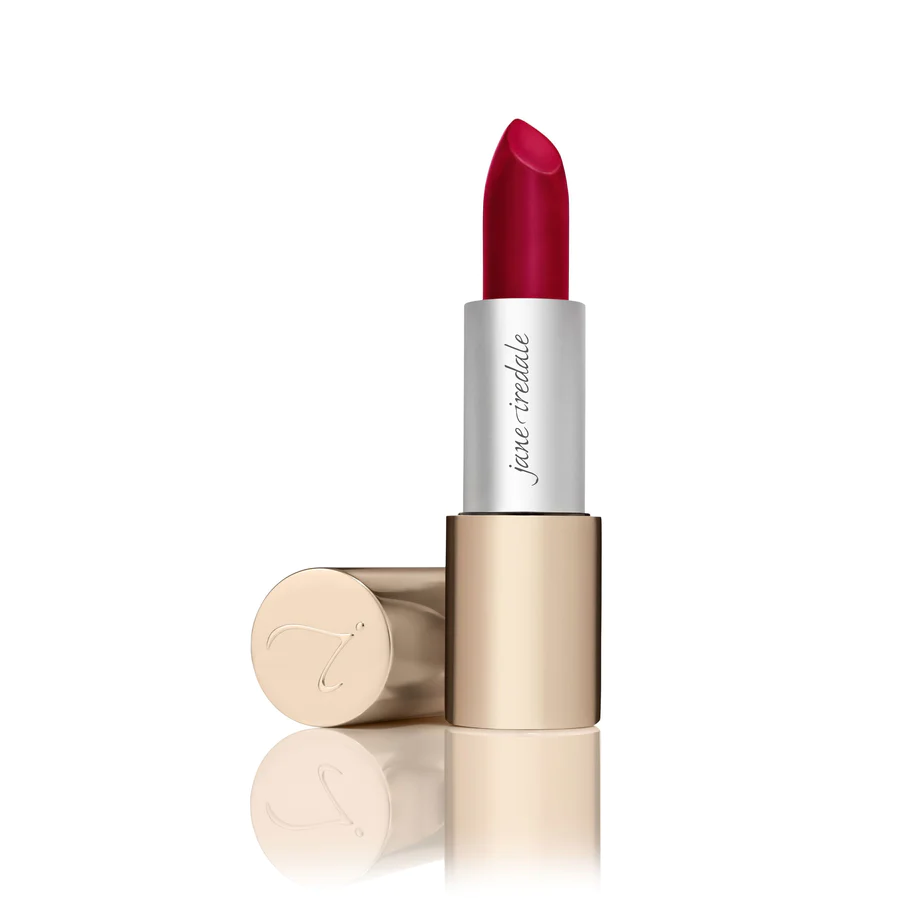
Jane Iredale
Look no further than Jane Iredale’s Last Chance section for new makeup that’s to 30% off.
Shop Jane Iredale
Jane Iredale Triple Luxe™ Long Lasting Naturally Moist Lipstick, $, available at Jane Iredale

Tushy
Everybody poops, it’s just a fact — why not do it in luxury? Even better, at a discount. This weekend score select Tushy products on sale, like this Electric Bidet Seat or this squatting stool.
Shop Tushy on Amazon
Tushy Ace Electric Bidet Seat, $, available at Amazon
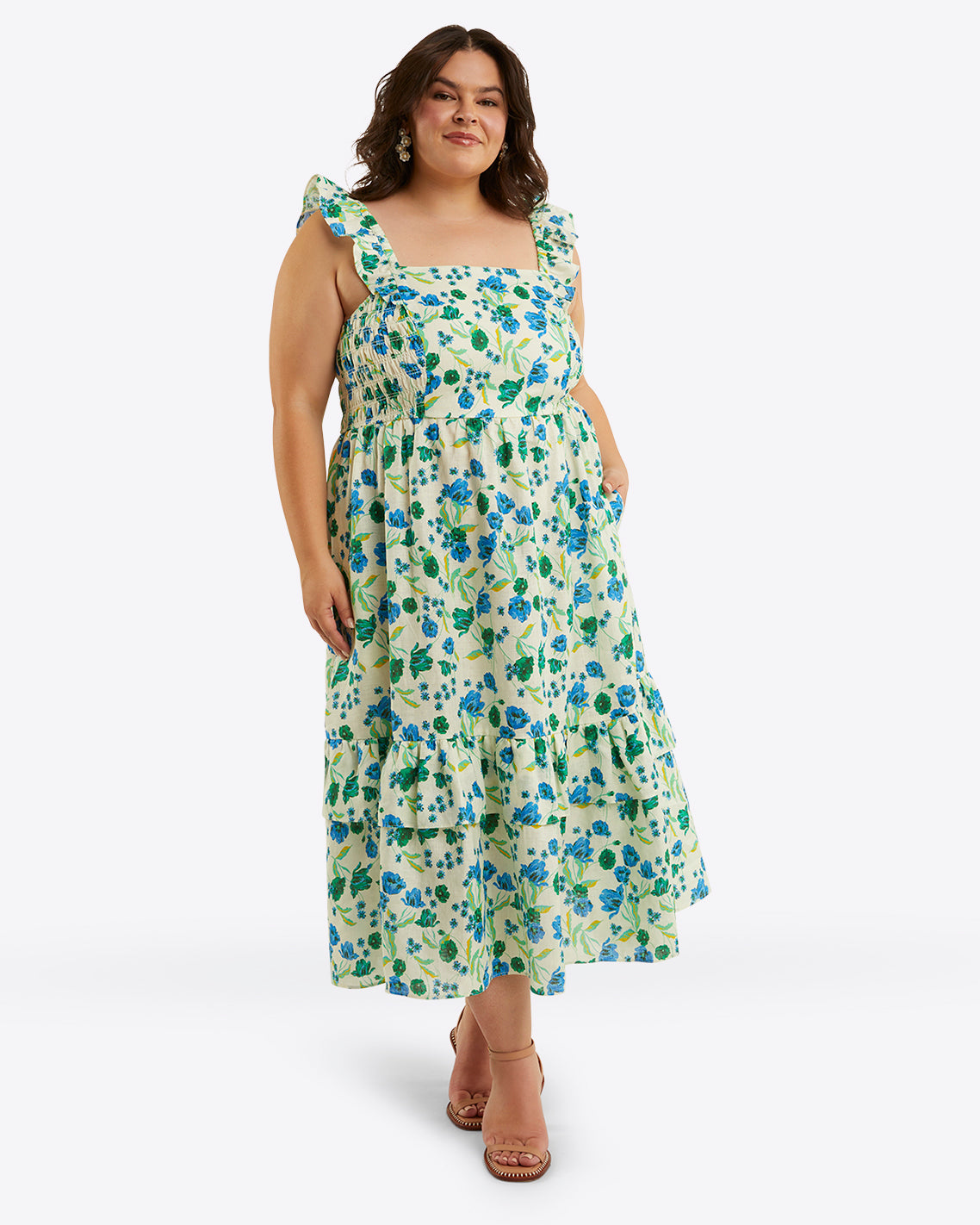
Draper James
It’s Reese Witherspoon’s birthday and we’ll dance if we want to — or in this case shop if we want to! For everyone’s favorite actresses’ special day she’s providing 30% off sitewide this weekend with code: CELEBRATE.
Shop Draper James
Draper James Carrie Midi Dress, $, available at Draper James
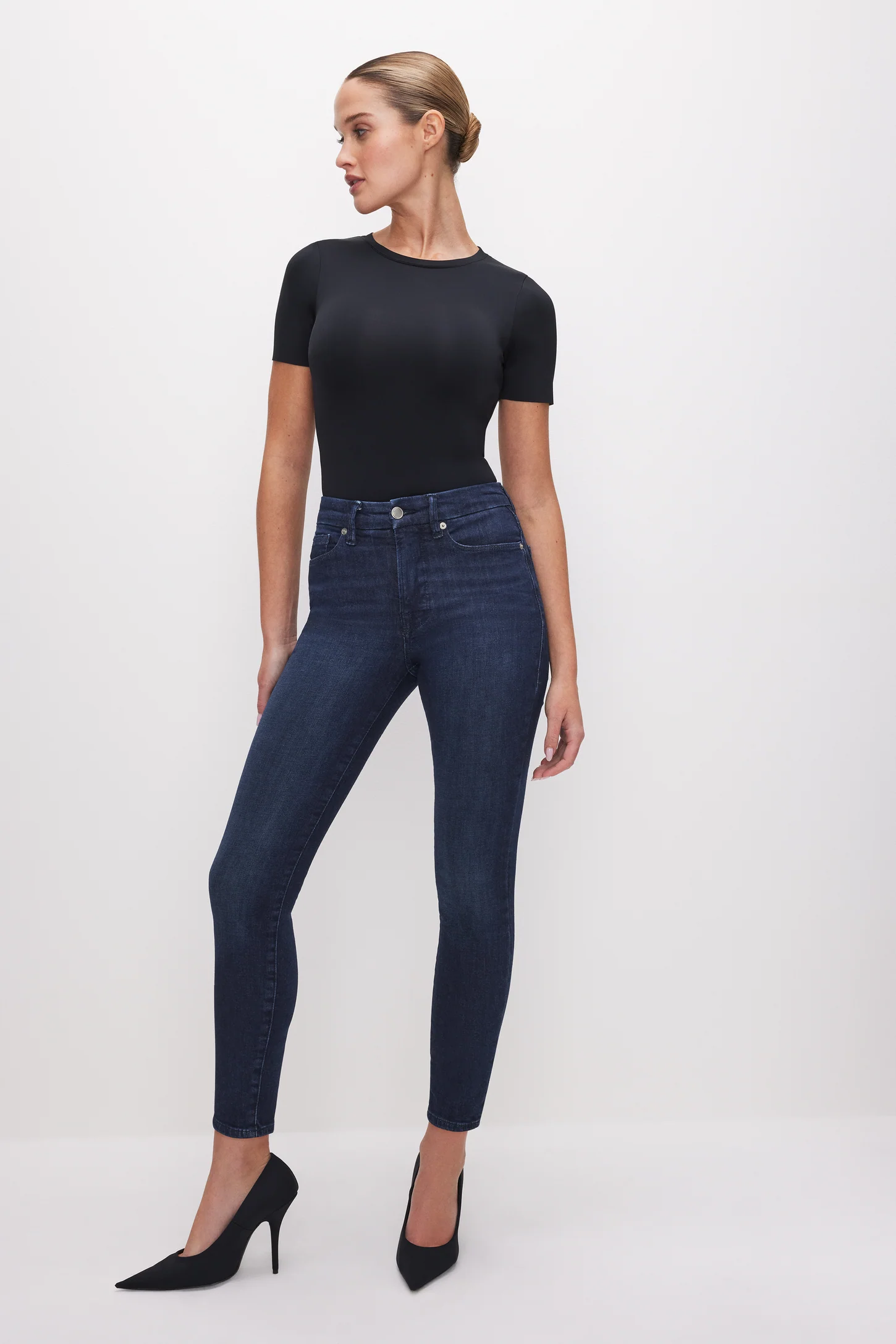
Good American
Treat yourself to some new duds this season — plus, take 25% off sitewide with code SAVE25.
Shop Good American
Good American Good Legs Skinny Cropped Jeans, $, available at Good American
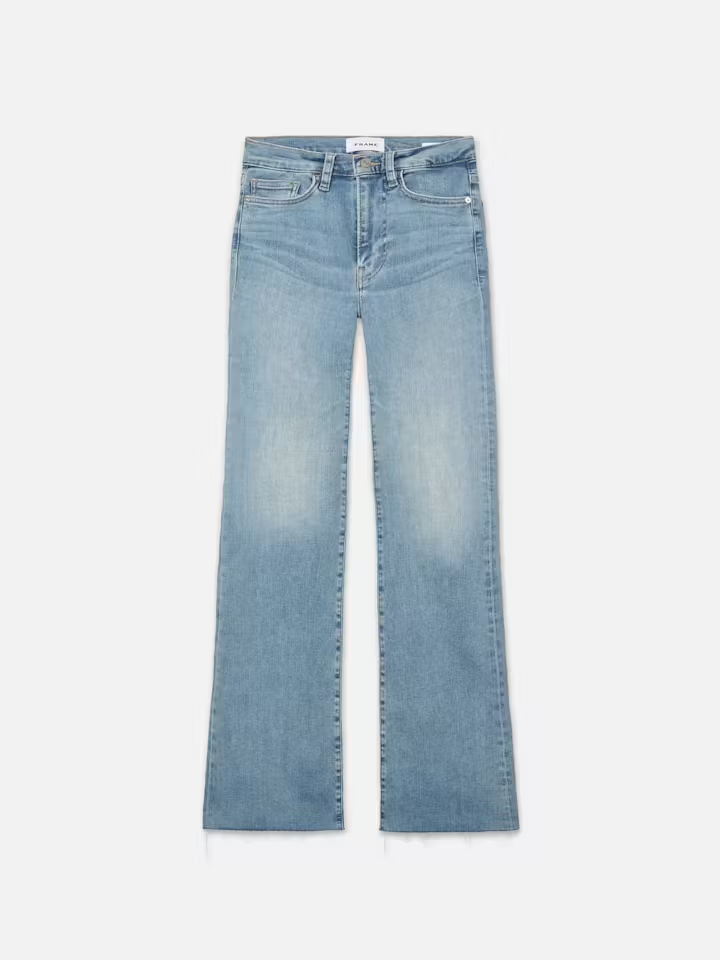
Frame
Didn’t you hear? Canadian tuxedos are in — and there’s no better time to stock up on the R29 editor-approved denim than a sale for 25% off sitewide.
Shop Frame
Frame Le Easy Flare, $, available at Frame
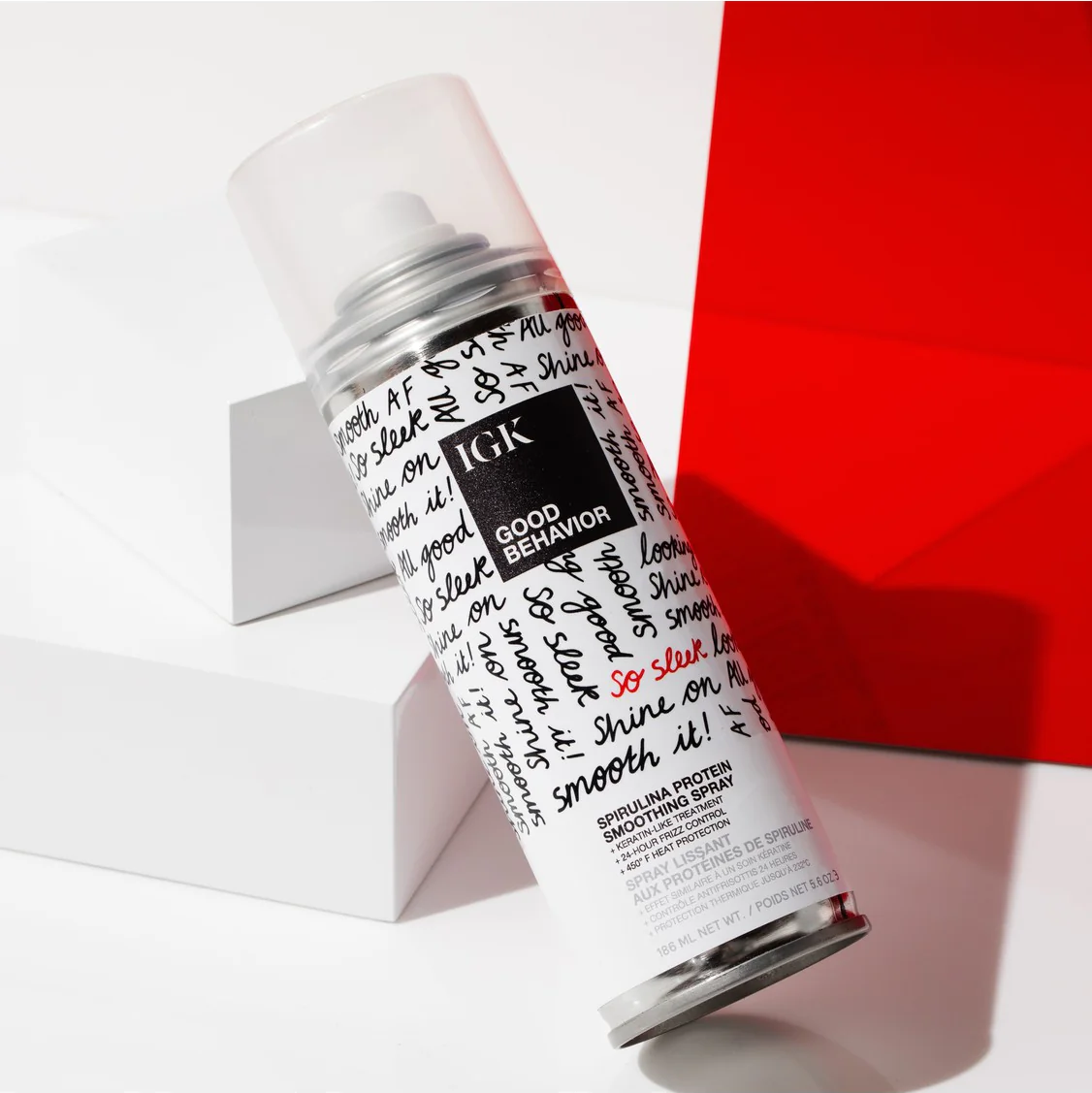
IGK Hair
Look no further than IGK for some new products to perfect that ‘do. This weekend you can save 25% sitewide with code EXTRAEXTRA.
Shop IGK Hair
IGK Good Behavior Smoothing Spray, $, available at IGK

Amazon
The limit simply does not exist when it comes to Amazon deals. Whether it’s a cozy vanity chair or just about anything else, expect the mass e-retailer to have it at a discount.
Shop Amazon
Yaheetech Modern Side Chair, $, available at Amazon
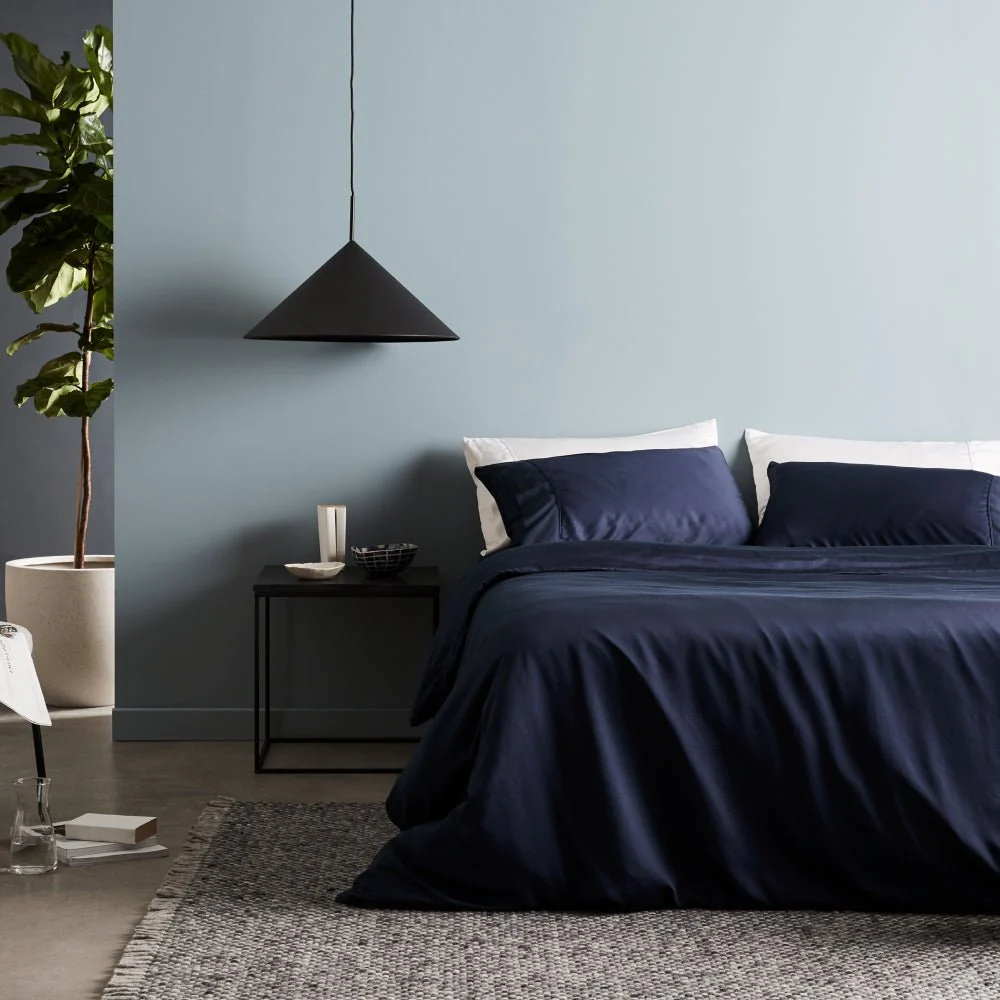
Ettitude
Ettitude is helping you stock up on snooze supplies with 20% off sitewide.
Shop Ettitude
Ettitude Sateen+ Duvet Cover, $, available at Ettitude
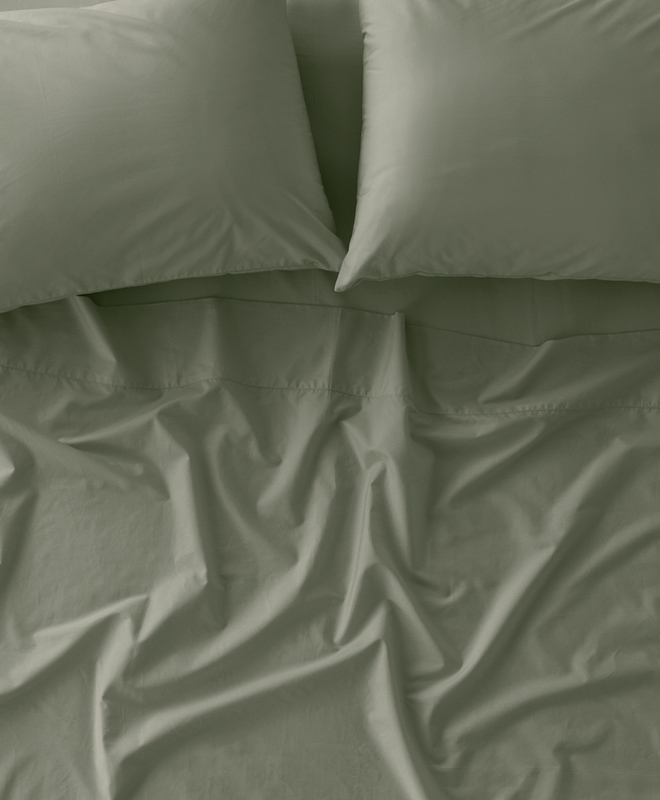
Pact
Start your relaxing weekend with brand-new, organic bedding and clothing from Pact — now up to 25% off. While you’re browsing, use code WARMUP this weekend for 15% off all orders, 20% off $150+, and 25% off $250+ orders.
Shop Pact
PACT Organic Cool-Air Percale Pillowcase 2-Pack, $, available at PACT
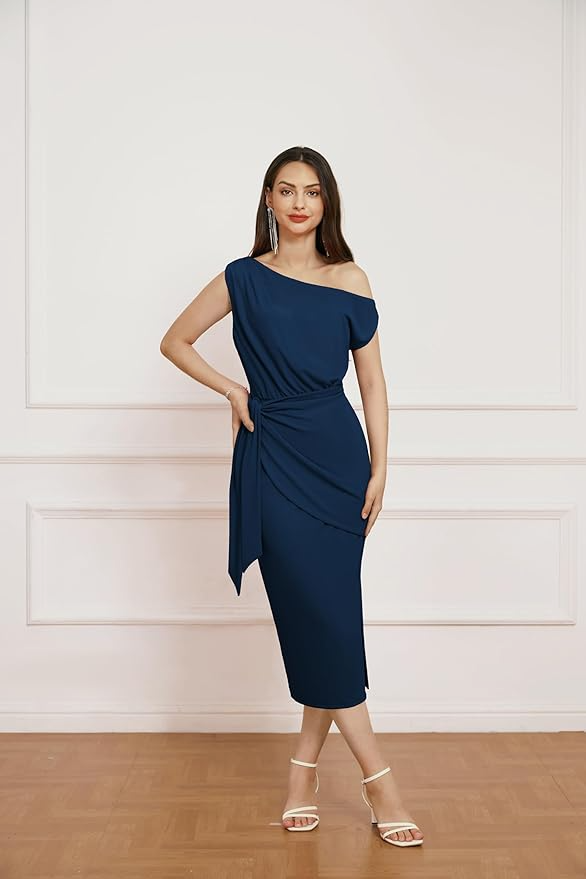
Grace Karin
Be the belle of the ball wherever you are in an elegant Grace Karin cocktail dress – that just so happens to be 20% off right now.
Shop Grace Karin on Amazon
Grace Karin One Shoulder Cocktail Dress, $, available at Amazon

FP Movement
We’re always in the market for some new activewear. Lucky for you, this weekend FP Movement is offering 50% off select products in pink. Love feeling pretty in pink!
Shop FP Movement
FP Movement Pippa Packable Puffer Jacket, $, available at Free People
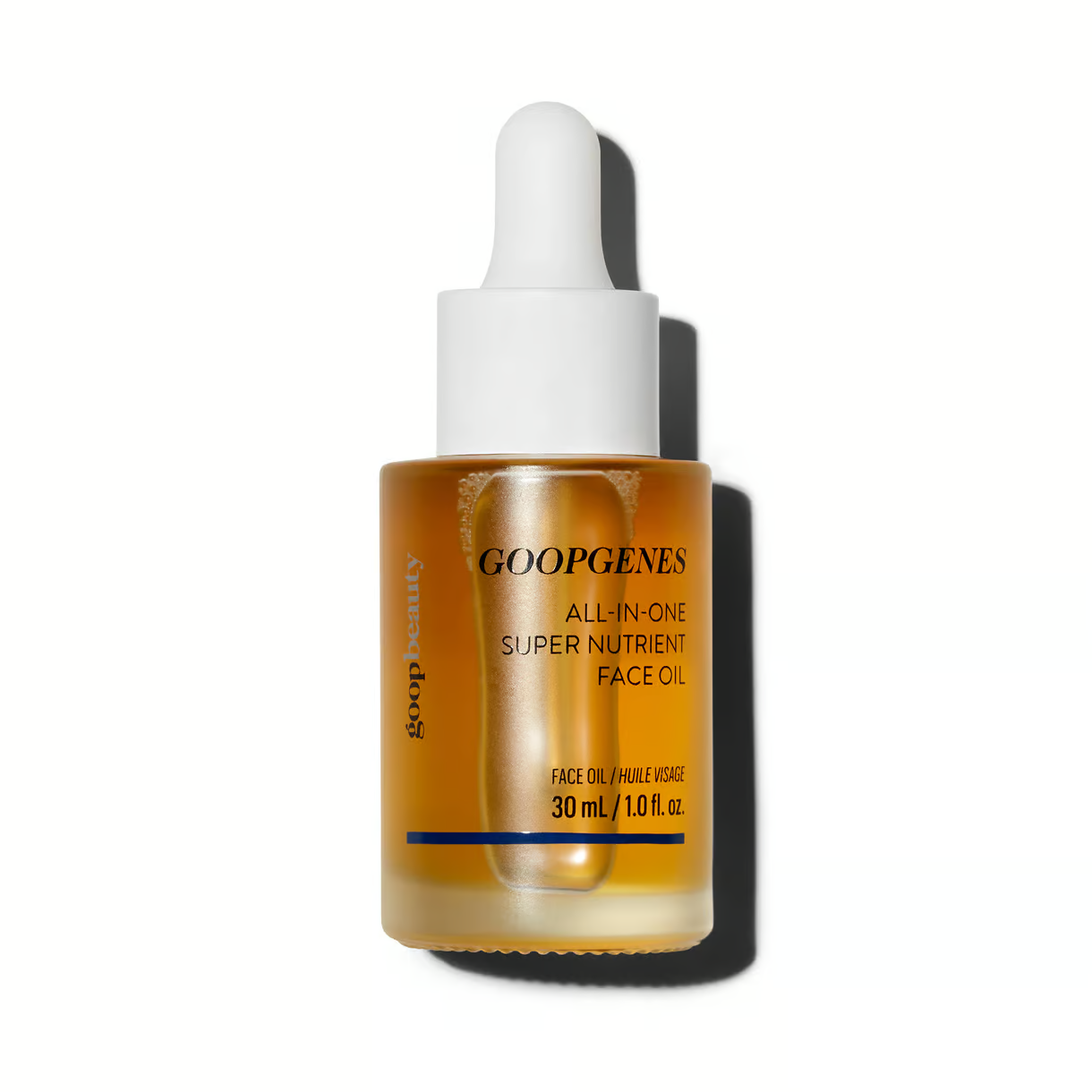
Goop
Be like Gwen, shop at goop. This weekend, Gwyneth Paltrow’s modern lifestyle company goop is offering 25% off select beauty and wellness products with code glowy.
Shop Goop
goop All-in-One Super Nutrient Face Oil, $, available at goop
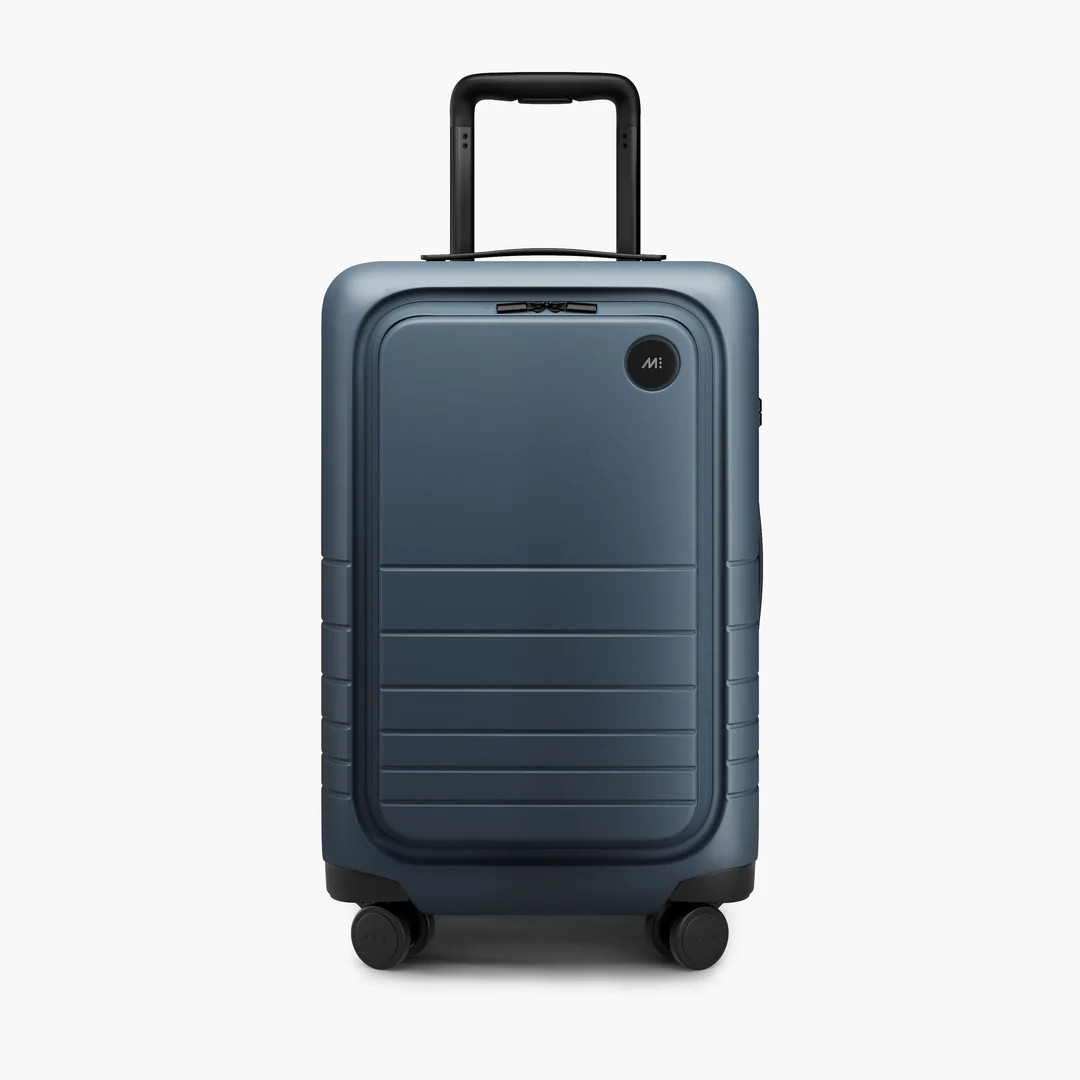
Monos
Got travel plans? We’ve got a deal for you! Monos is currently offering to deck you out with their sleek suitcases for up to 25% off sitewide with code PRESIDENT.
Shop Monos
Monos Carry-On Pro, $, available at Monos

Lovehoney
The days of spending upward of $100 on a good vibrator are long over — especially when select Lovehoney toys are up to 50% off. We can’t wait to grab the Womanizer Starlet raved about by our very own sexual health and wellness writer, Charlotte Lewis.
Shop Lovehoney
Womanizer Starlet Clitoral Stimulator, $, available at Lovehoney

Ulta Beauty
Blow away the stress of the workweek with Ulta’s Love Your Skin Event with daily deals of up to 50% off makeup and more until January 20.
Shop Ulta Beauty
VERB Ghost Conditioner, $, available at Ulta Beauty
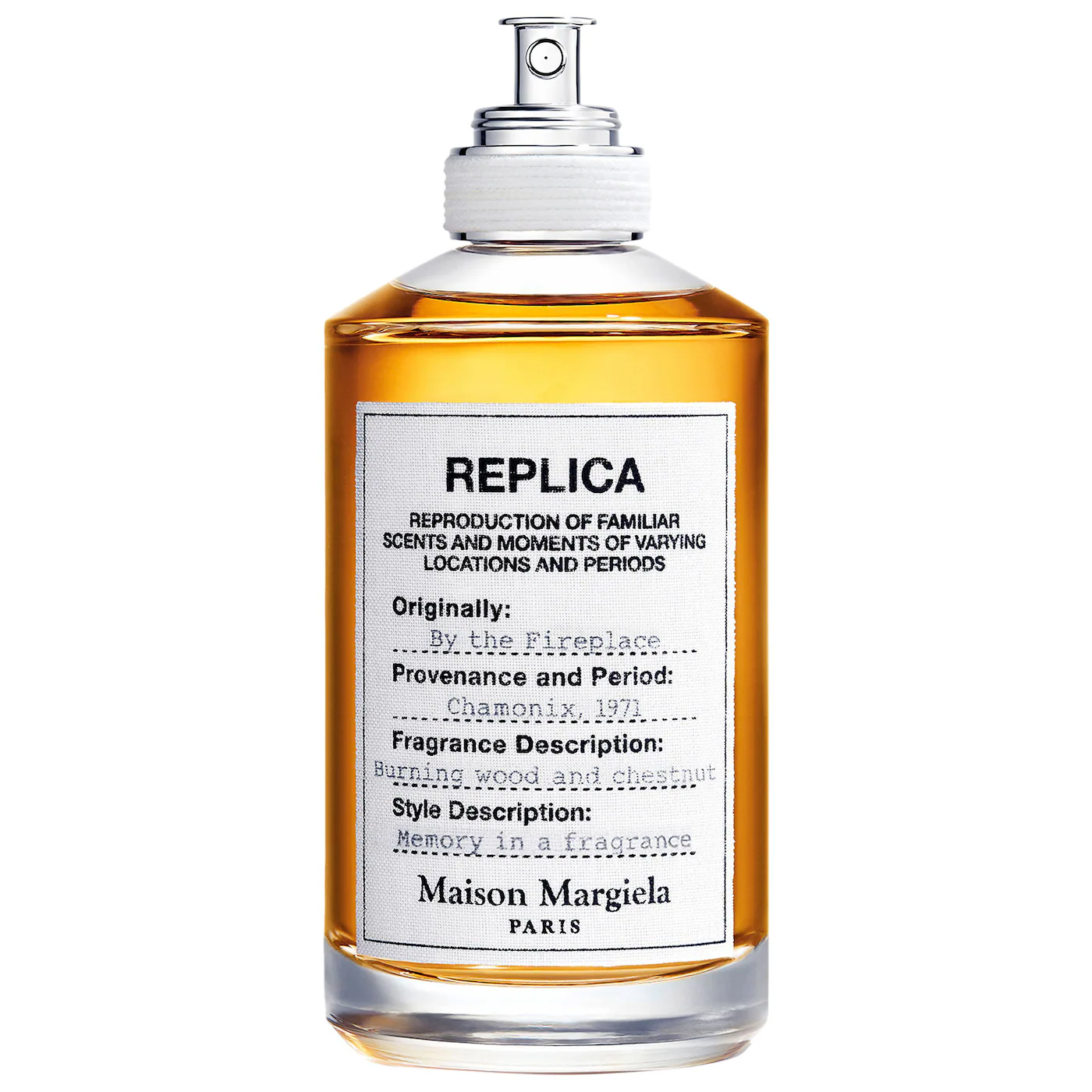
Sephora
During the exciting Fragrance For All Event, Beauty Insiders can enjoy 20% off full-size fragrances with code FRAGRANCE20 from now until December 24.
Shop Sephora
Maison Margiela ‘REPLICA’ By the Fireplace, $, available at Sephora

Buffy
Wake up, sunshine! Buffy is having a Valentine’s Day sale with everything up to 30% off and free shipping. A good night’s sleep is only a click away.
Shop Buffy
Buffy Breeze Sheet Set, $, available at Buffy
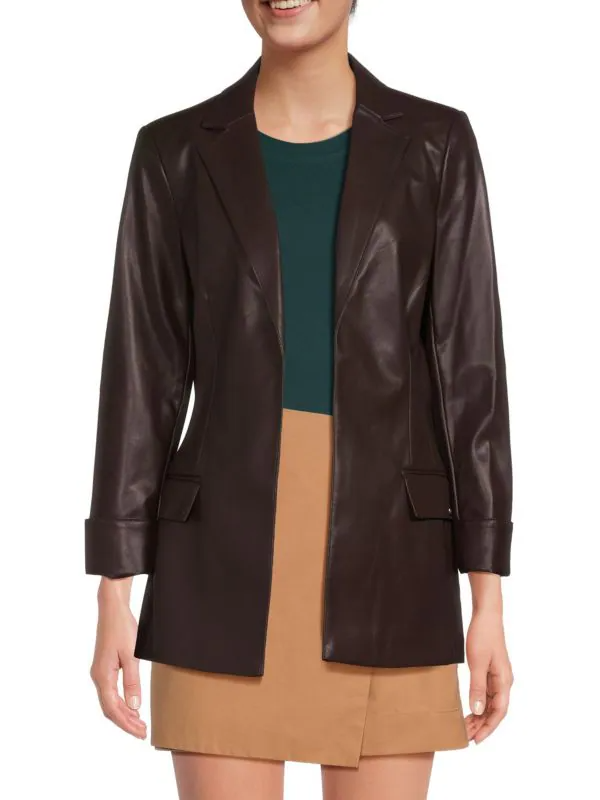
Saks Off 5th
We’re feeling like friends and family, thanks to Saks Off 5th’s end-of-season sale that has items up to 80% off. You can also score free shipping on orders over $99 with code SHIPSO5.
Shop Saks Off 5th
Calvin Klein Faux Leather Open Front Jacket, $, available at Saks OFF 5TH
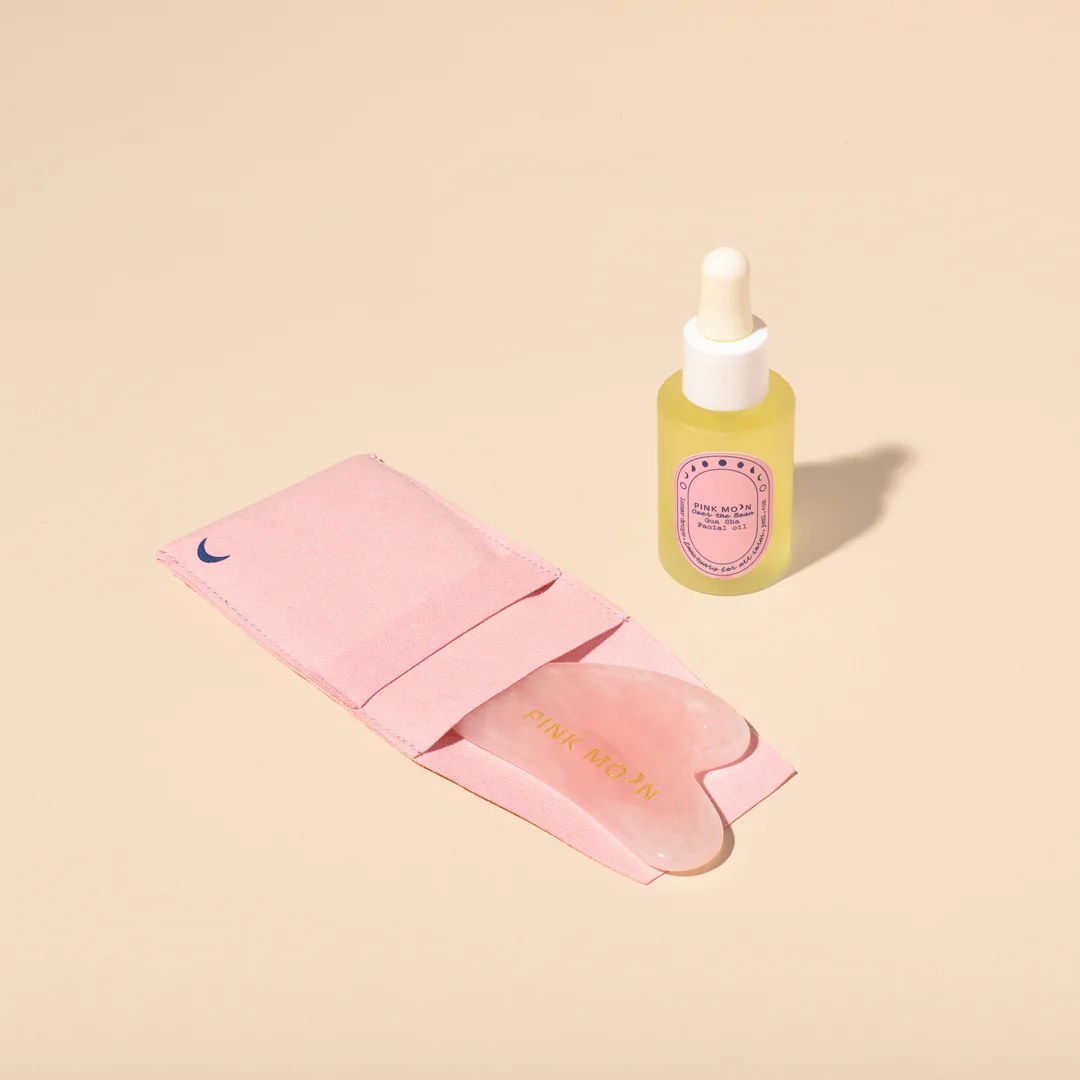
Pink Moon
Add some self-care into your daily routine with Pink Moon’s wellness products. Better yet, this weekend save 35% sitewide with code BIGMOVES – talk about benefits.
Shop Pink Moon
Pink Moon Over the Moon Gua Sha Duo, $, available at Pink Moon
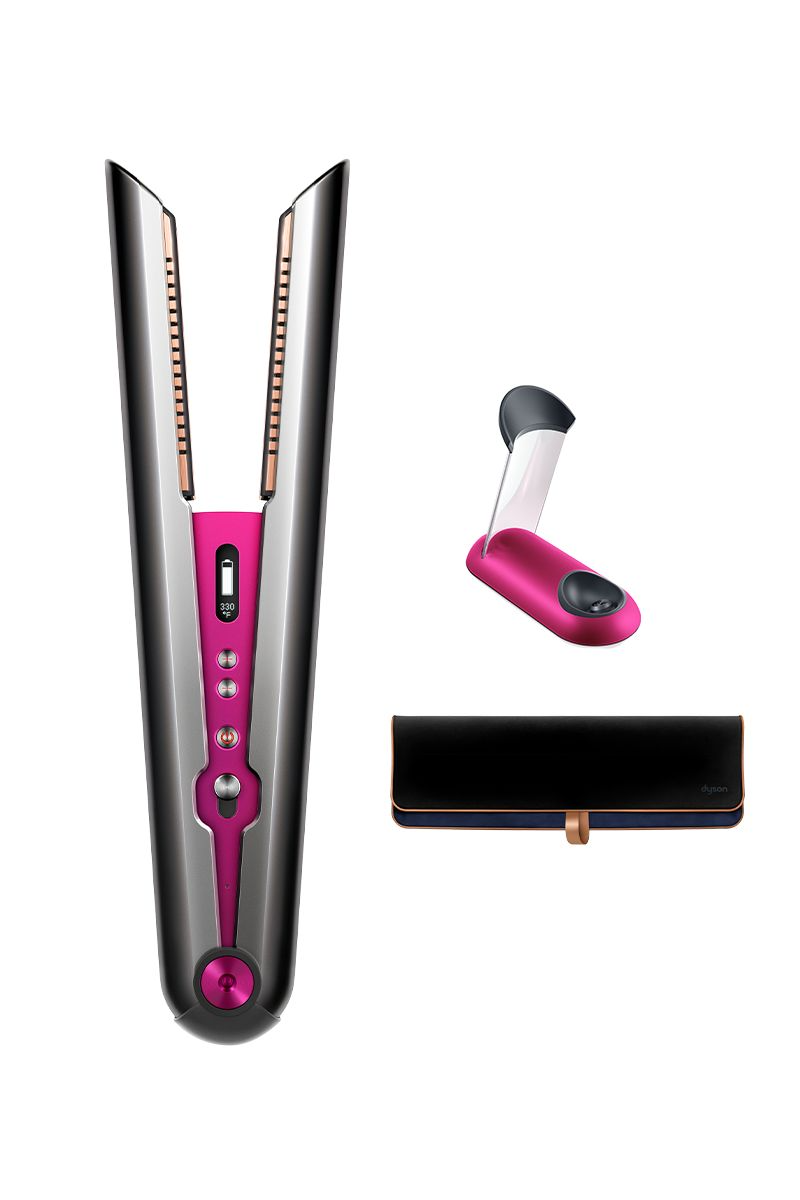
Nordstrom Rack
Who doesn’t love a good sale? Nordstrom Rack has some great steals, such as Dyson products starting at $200. Psst, there are lots of other deals from Nordstrom Rack to check out as well — the more the merrier!
Shop Nordstrom Rack
Dyson Corrale™ Straightener Black Nickel/Fuchsia – Refurbishe, $, available at Nordstrom Rack

I Dew Care
Score some vegan and cruelty-free K skin care at a discount this weekend with I Dew Care’s Galentine’s Day sale. Everything is 25% off.
Shop I Dew Care
I Dew Care Disco Kitten Peel-Off Mask, $, available at I Dew Care
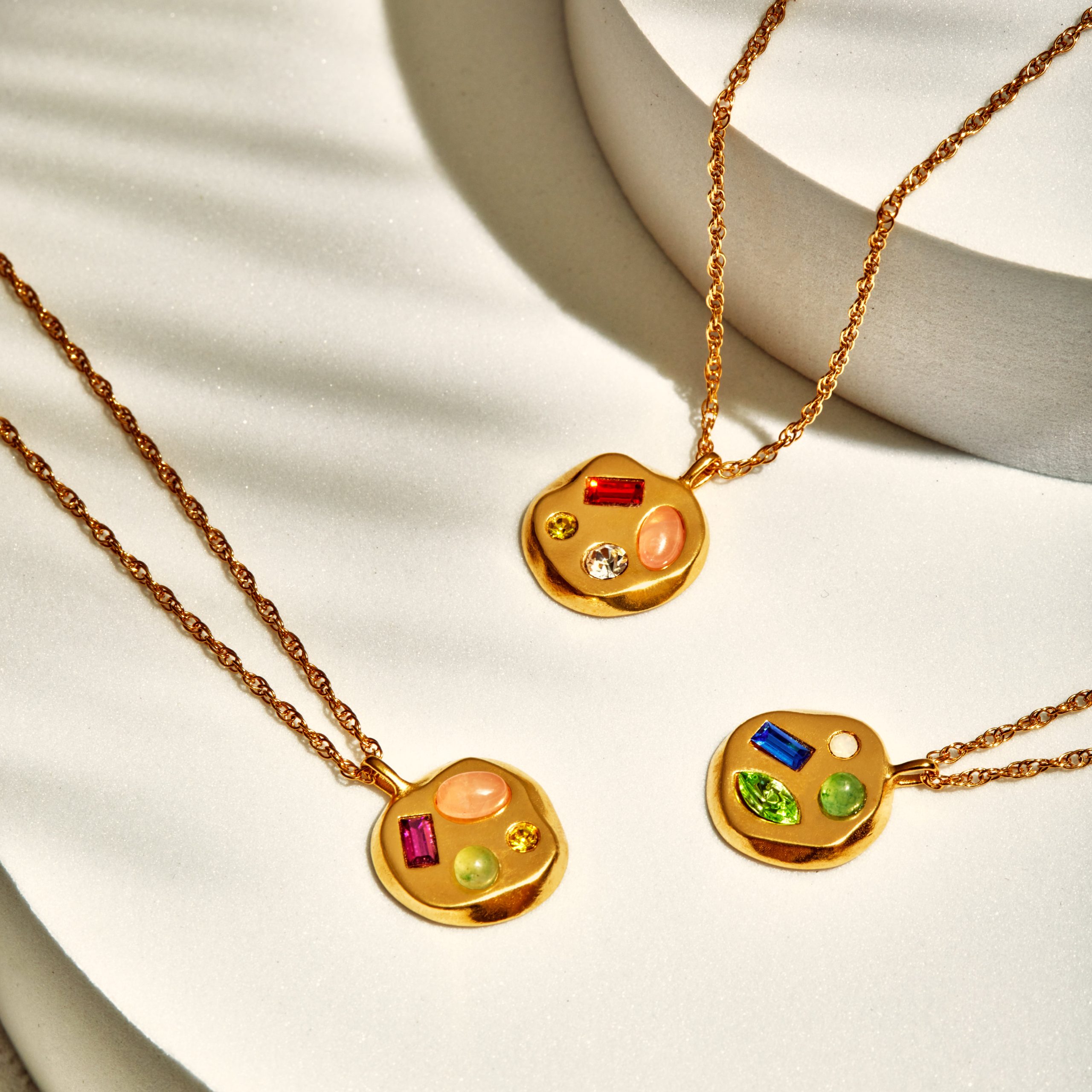
Birthdate Co.
No matter the occasion, there’s nothing like a personalized gift, especially if it’s in the form of a custom birth date candle or necklace — that also happens to be on sale.
Shop Birthdate Co.
Birthdate Co. Birthdate Pendant, $, available at Birthdate Co.
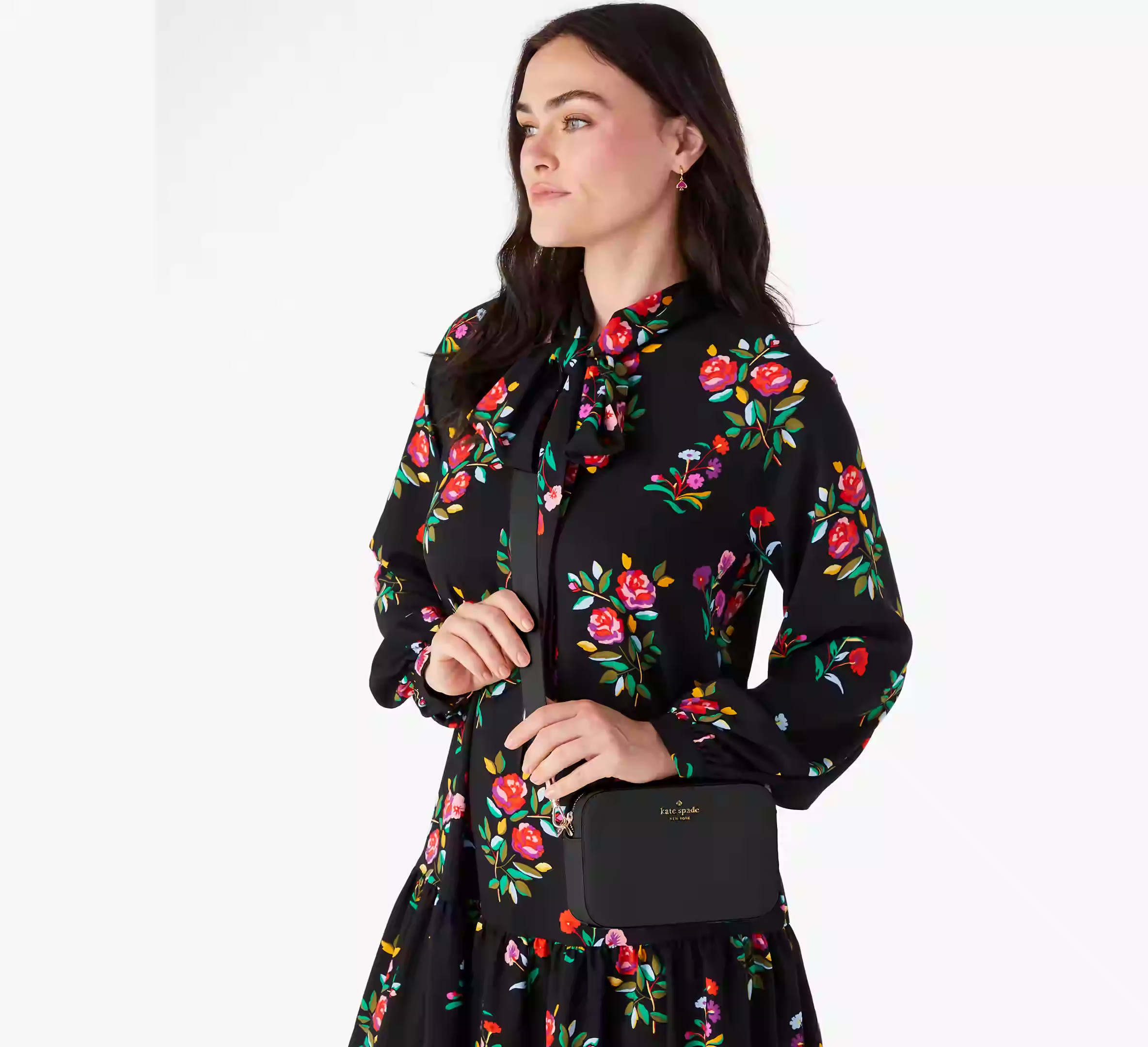
Kate Spade Outlet
In the market for a hot new handbag to accompany your ‘fit? Look no further than Kate Spade Outlet, get up to 60% off everything and an additional 20% off clearance items.
Shop Kate Spade Outlet
Kate Spade Madison Mini Camera Bag, $, available at Kate Spade Outlet

LELO
LELO’s very luxe vibrators are up to 50% off for love month, making this the perfect time to splurge on a special something for you or your partner. (Plus, all orders above $189 come with a free MIA 2 lipstick vibrator.)
Shop LELO
LELO Sona 2 Cruise, $, available at LELO
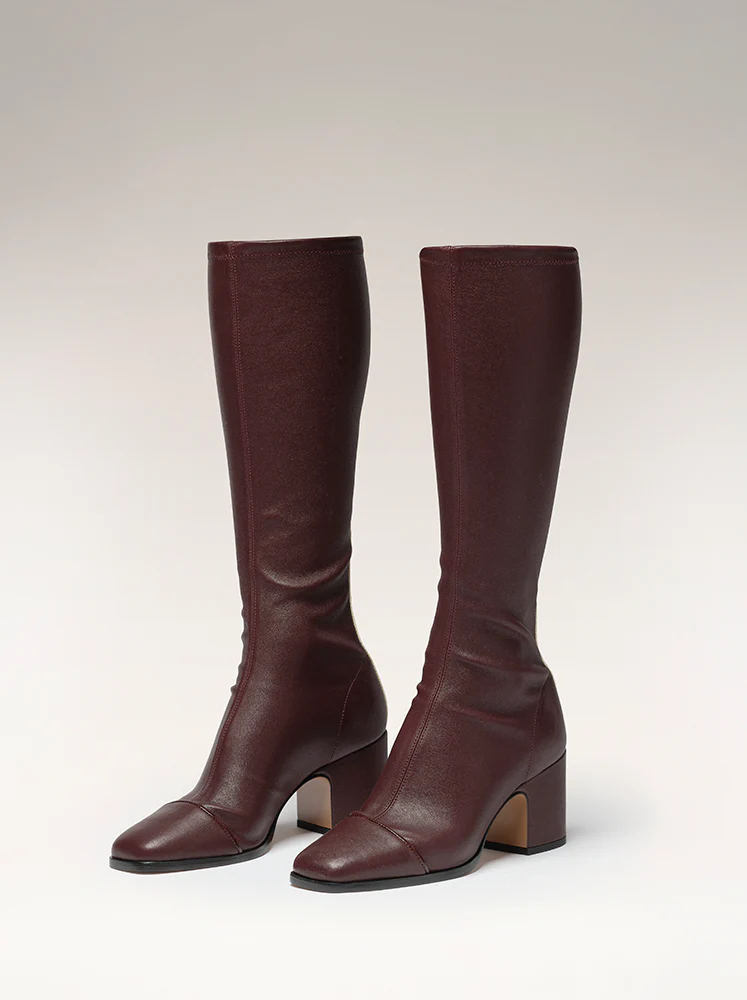
Nomasei
It’s not every day that this happens, but lucky for you, luxury footwear is now within reach with Nomasei’s up-to-50% off sale on select items. Also, you can enjoy up to 10% off your order with code bienvenue.
Shop Nomasei
Nomasei Twist Boots, $, available at Nomasei

Adam & Eve
Can you feel the love in the air? We sure can with Adam & Eve’s Cupid’s Last Call sale where you get 50% off one item with code BONUS50.
Shop Adam & Eve
Adam & Eve Cage Lace Bra And Garter Set, $, available at Adam & Eve
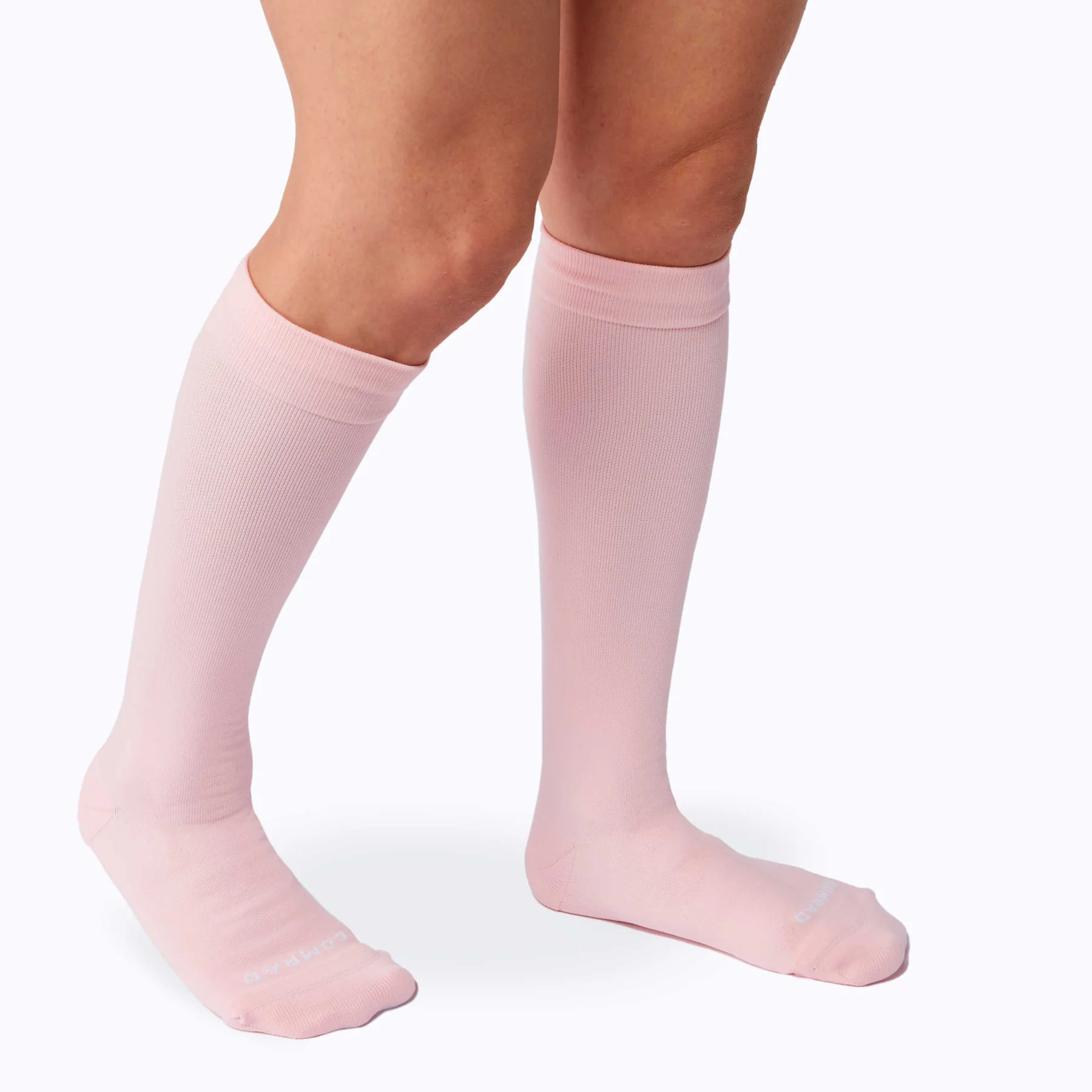
Comrad
What’s better than one pair of compression socks? One pair of compression socks that’s 25% off. Make sure to enter code LOVE25 at checkout to apply the discount.
Shop Comrad
Comrad Knee-High Compression Socks, $, available at Comrad
Abercrombie & Fitch
A&F SALES
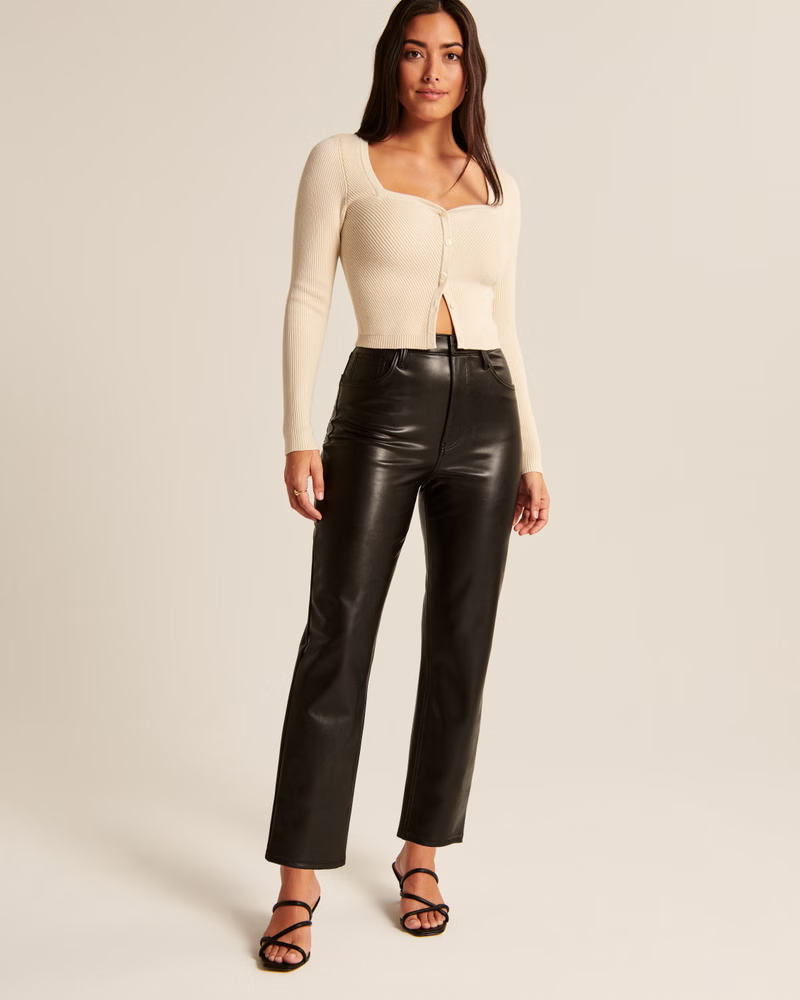
Right now Abercrombie & Fitch has up to 40% off select styles plus an additional 20% off select items. We recommend stocking up on essentials, such as these vegan leather pants, before the markdowns disappear.
Shop Abercrombie & Fitch
Abercrombie & Fitch Curve Love Vegan Leather Ankle Straight Pant, $, available at Abercrombie & Fitch
Ring Concierge
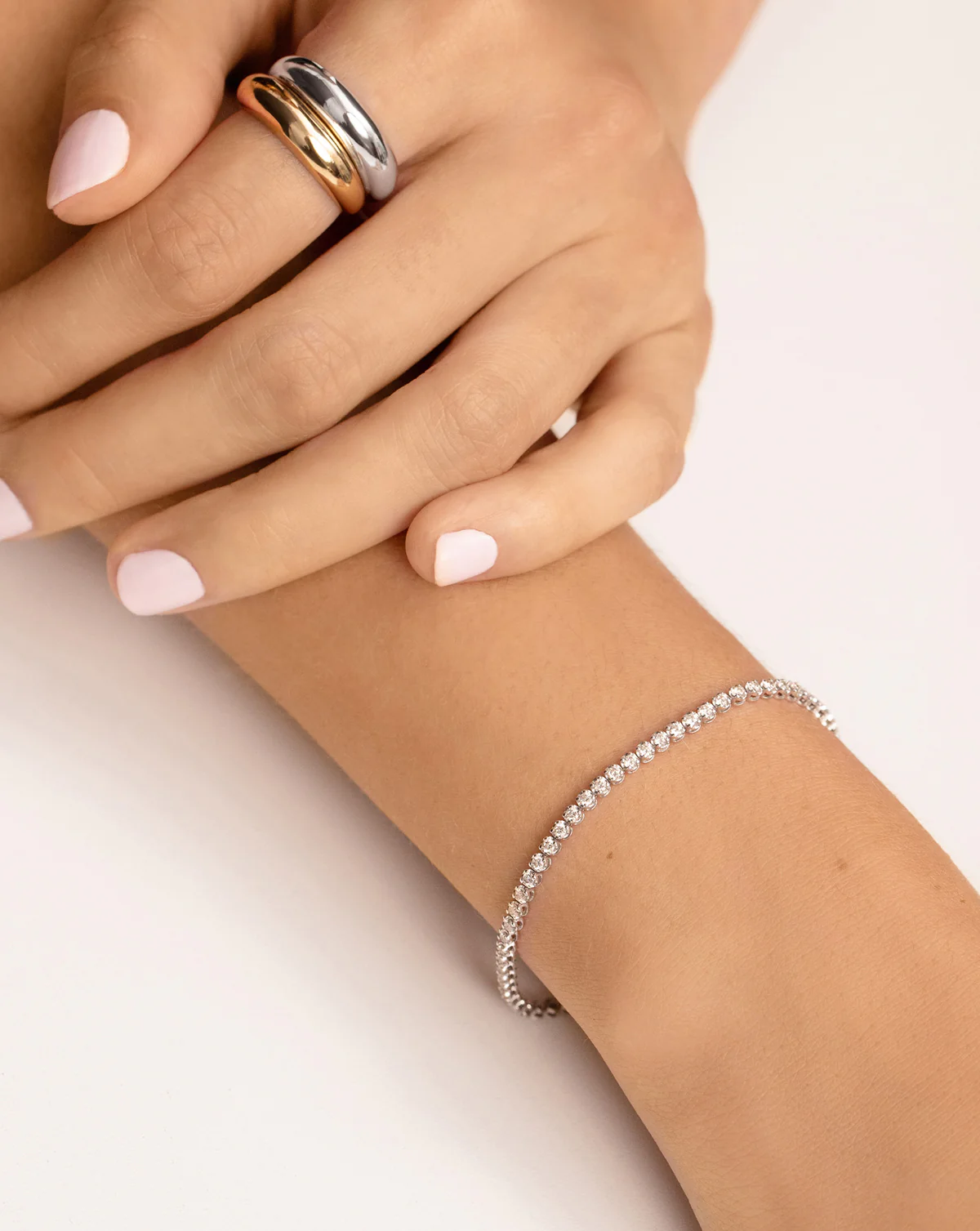
Diamonds (and most jewelry) are a girl’s best friend – and so are sales. This weekend take 20% off sitewide so you and your bestie can snag some bling.
Shop Ring Concierge
Ring Concierge Mini Diamond Tennis Bracelet, $, available at Ring Concierge

Sabon
Time to treat yourself to some luxe bath products with Sabon’s up to 50% off sale.
Shop Sabon
Sabon Sublime 3 in 1 Hair Mask, $, available at Sabon
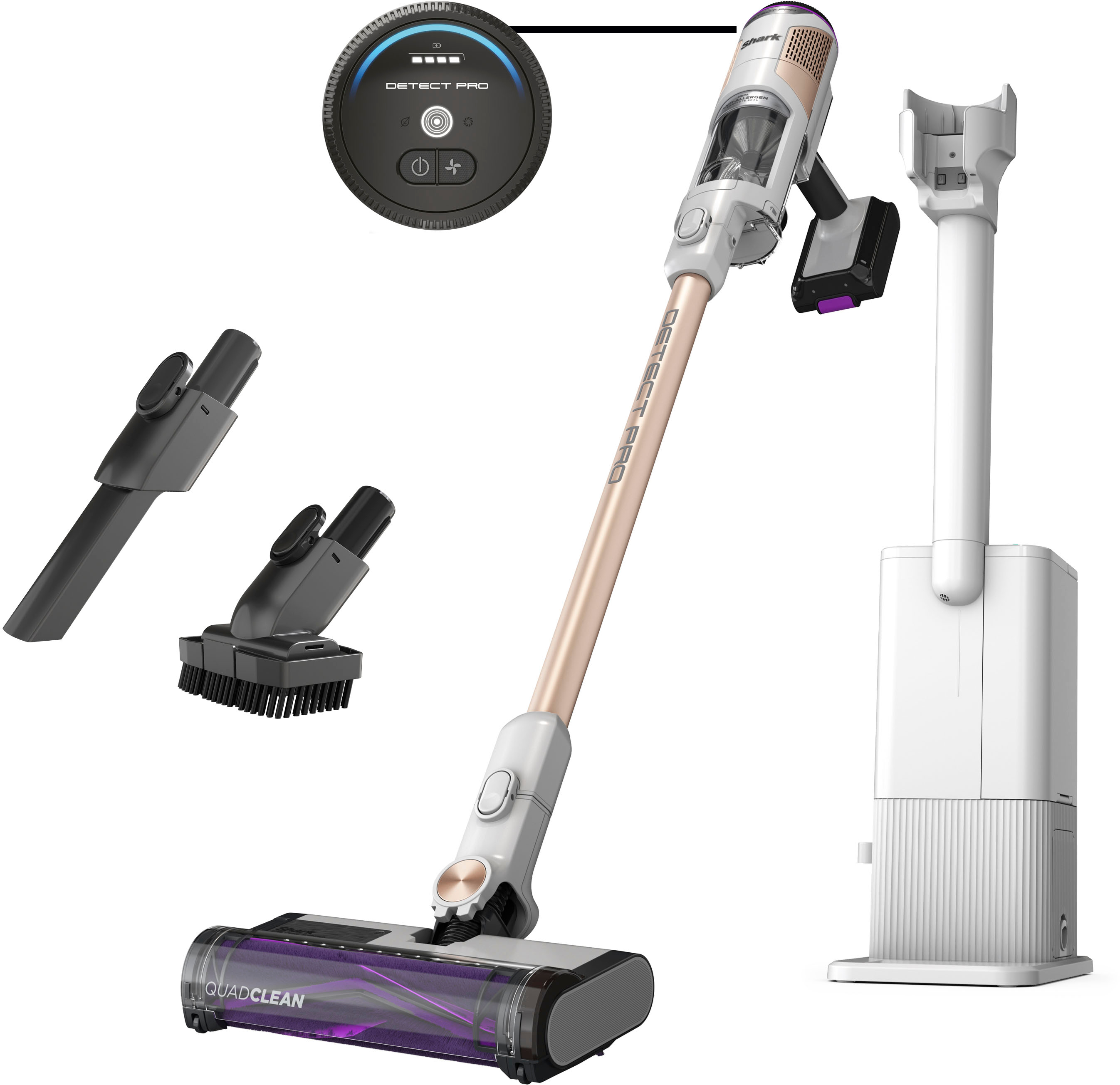
Shark
One can never have enough cleaning appliances, and Shark makes it that much easier with up to 50% off select products, including cleaning and editor-favorite hair appliances. Plus score 10% off accessories with code DEC10.
Shop Shark
Shark Cordless Detect Pro™ Auto-Empty System, $, available at Shark
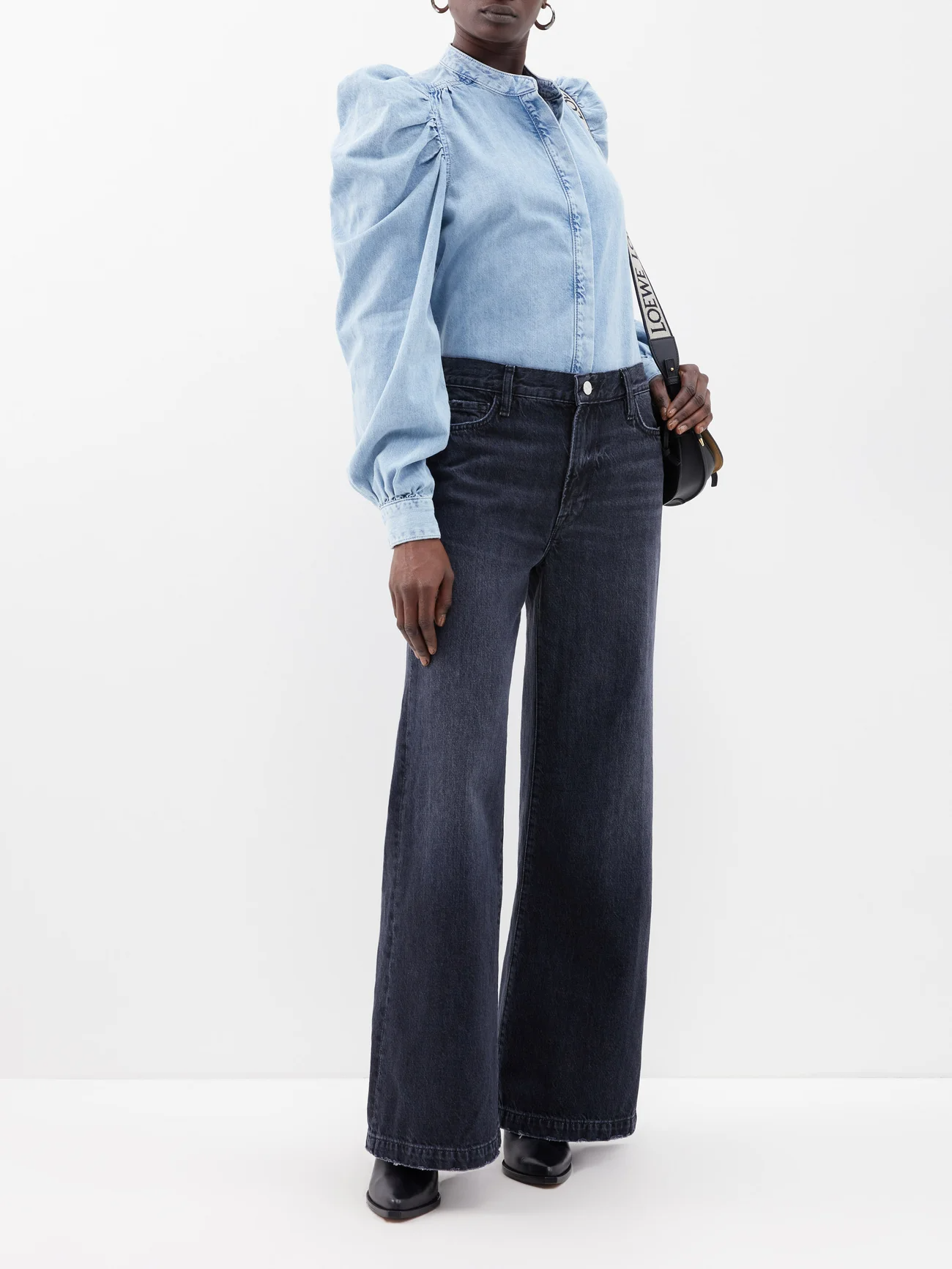
Matches
Wearing designer duds on a budget has never been easier with Matches’ sale selection. Find all types of designers from Staud to Balmain. Plus score 20% off with code FORYOU20.
Shop Matches
Frame Le Baggy Wide-Leg Jeans, $, available at Matches

Saks Fifth Avenue
We sure do feel special with up to 70% off Saks Fifth Avenue’s Designer Sale.
Shop Saks Fifth Avenue
SAM. Liv Belted Puffer Jacket, $, available at Saks Fifth Avenue

Purple
Why get a supersoft Purple mattress for up to $400 off? Because you deserve it, duh!
Shop Purple
Purple NewDay™ Mattress, $, available at Purple
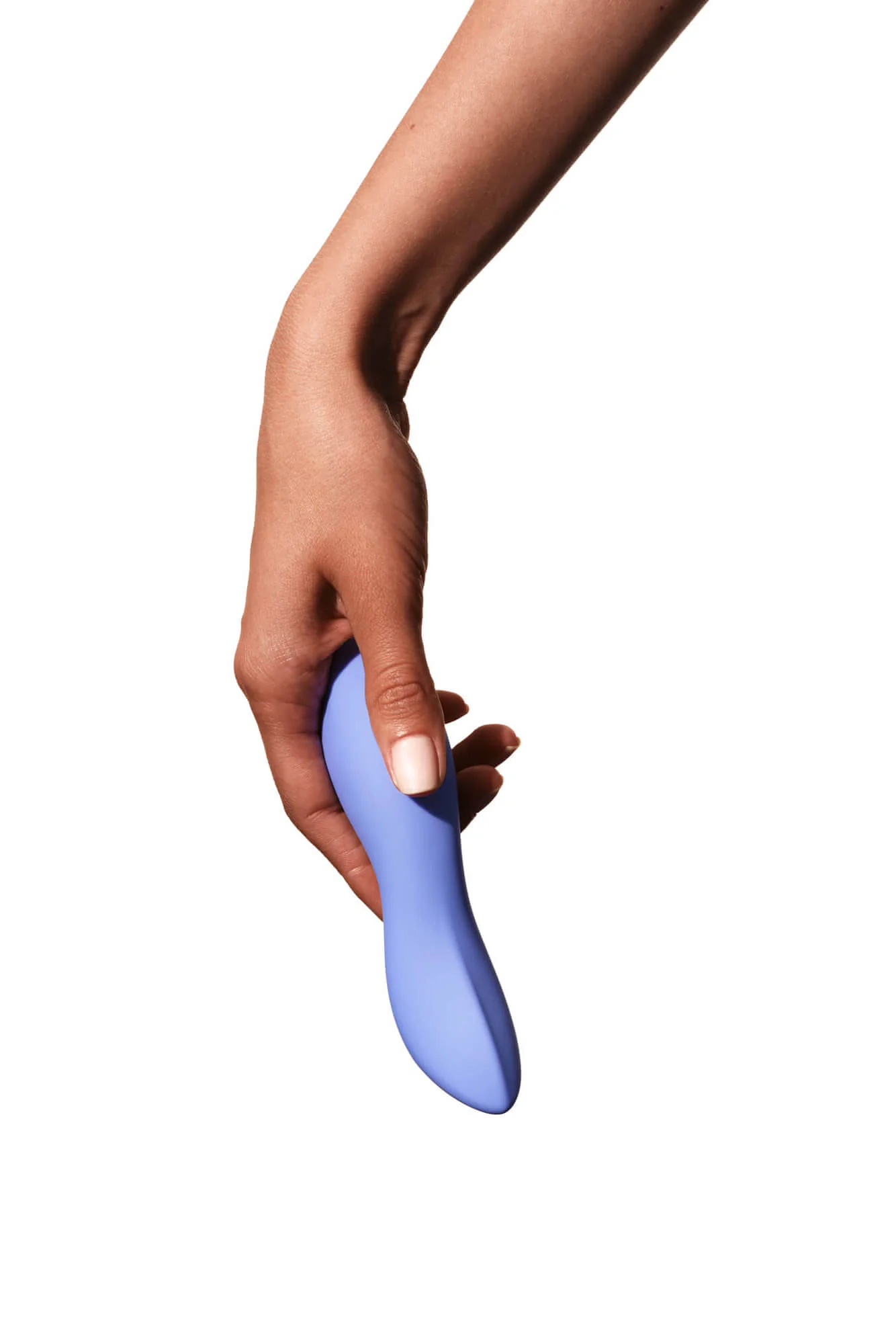
Dame
Give yourself the gift of self-love with Dame’s Valentine’s Day sale, and score 20% off sitewide with code VDAY20 — like on this editor-loved Dip vibrator.
Shop Dame
Dame Dip Vibrator, $, available at Dame
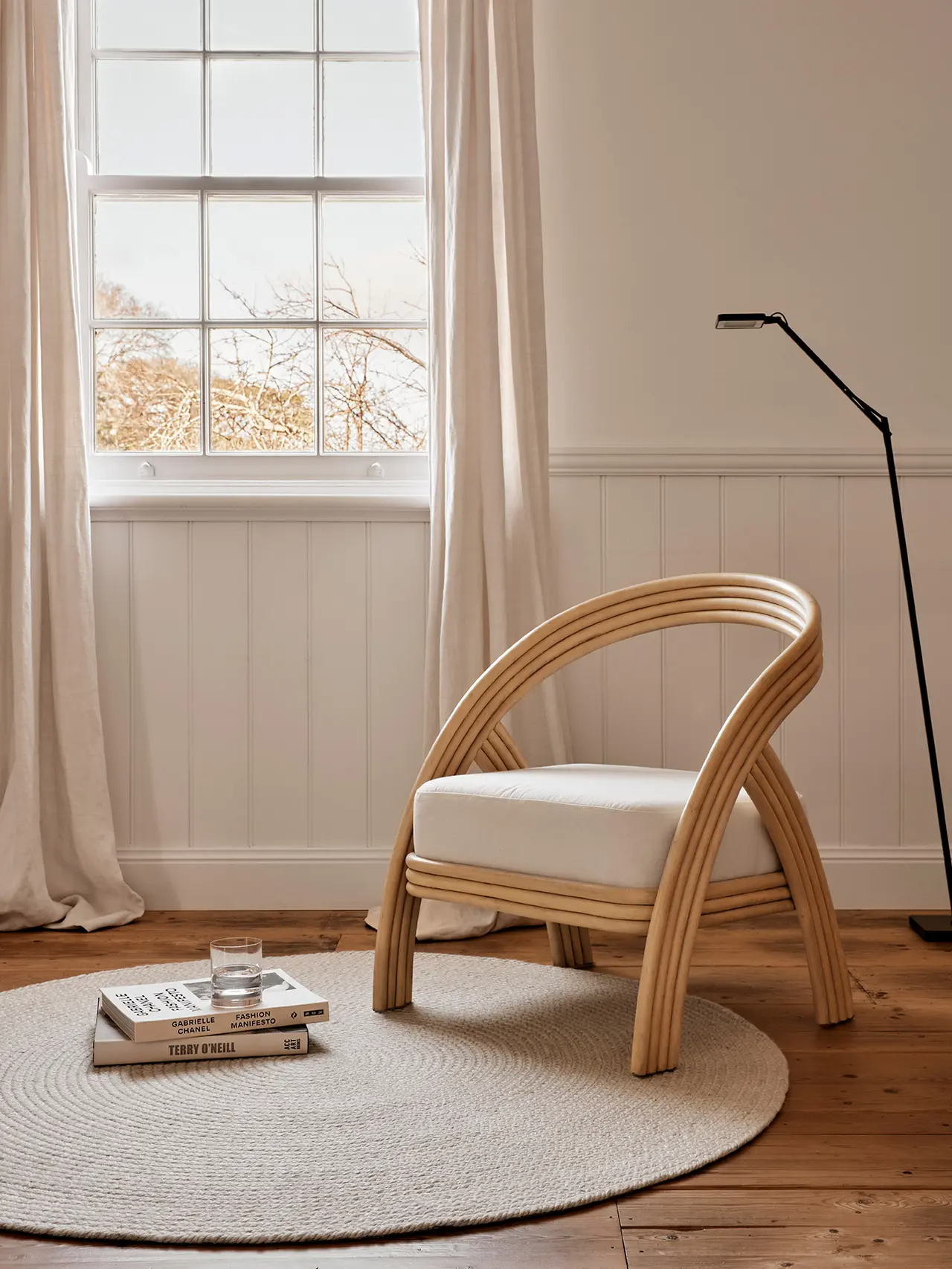
Armadillo
If there was ever a perfect time to buy new home decor, it would be now. We love the idea of getting a chic new rug to spruce up your space for up to 50% off.
Shop Armadillo
Armadillo Braid Nook, $, available at Armadillo

Aerie
re add when pays more comission
Sit back and relax with these ultra-soft, top-rated Aerie leggings — especially, because they ( and bras, sweatshirts and more are up to 70% off.
Shop Aerie
OFFLINE by Aerie Goals Ribbed Legging, $, available at Aerie

Lime Crime
Lime Crime, the pigmented and colorful makeup brand, is hosting a big beauty sale with 50% off bundles, which make perfect gifts.
Shop Lime Crime
Lime Crime Venus XL 2 Eye and Face Palette, $, available at Lime Crime

Hanky Panky
In the market for a new pair of briefs? You are in luck because Hanky Panky’s legendary underwear is up to 75% off sale with an additional 15% off sale with code BONUS15.
Shop Hanky Panky
Hanky Panky 3 Pack Low Rise Thongs, $, available at Hanky Panky
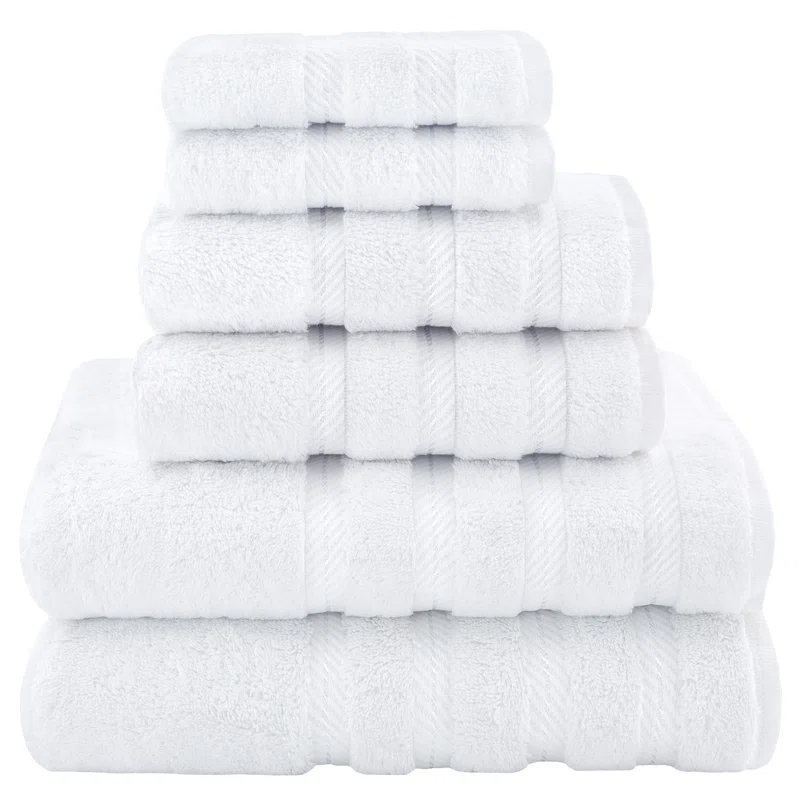
Wayfair
Wayfair always has insane sales, and right now, The Big Holiday Sale is going on, which includes up to 70% off area rugs, wall art, bedding, and more.
Shop Wayfair
Charlton Home Darcelle Turkish Cotton Bath Towels, $, available at Wayfair

Awe Inspired
Whether you’re especially feeling the moon cycle or you’re simply hoping to add a beautiful new addition to your jewelry collection, this jewelry brand (and its sale section) is perfect. Right now, Awe Inspired is offering 30% off sitewide for Black Friday, with an additional 40% off orders over $400 with code AWEBF.
Shop Awe Inspired
Awe Inspired Crystal Quartz Huggies, $, available at Awe Inspired

Skims
Skims’ famous bi-annual sale is happening right this moment. Time to scoop up some of the brand’s best-selling lounge wear, intimates, and more.
Shop Skims
Skims Seamless Sculpt Brief Bodysuit, $, available at Skims

Food52
Set the table right with Food52’s sale section’s new arrivals, like this elegant Le Creuset cast-iron skillet for just under $100.
Shop Food52
Le Creuset Classic Enameled Cast-Iron Skillet, 9″, $, available at Food52

SkinStore
Nothing hits quite like a new skincare tool and an up-to-50%-off sale on top-rated skin-care products at SkinStore.
Shop SkinStore
Foreo LUNA, $, available at SkinStore
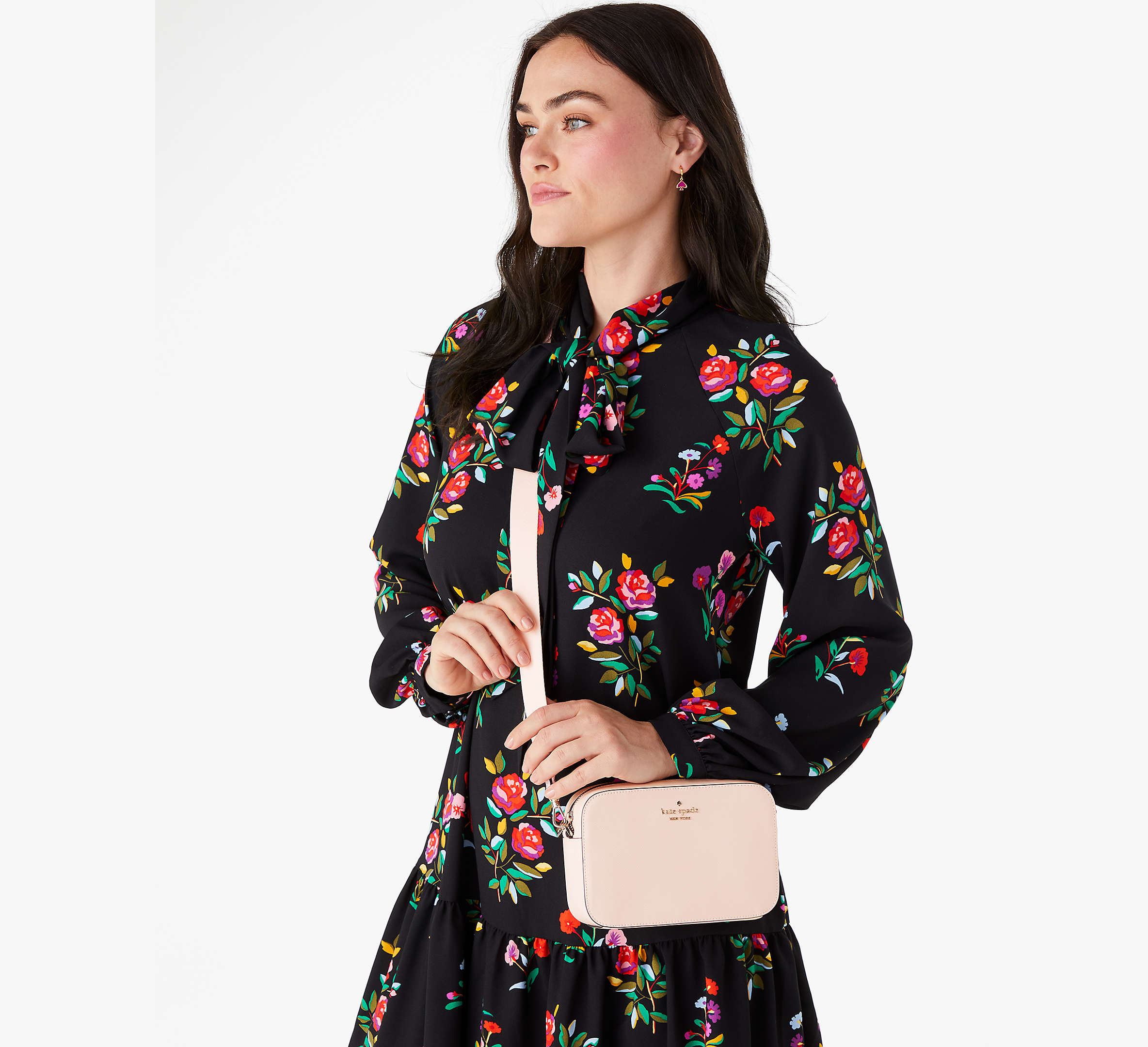
The Row
MAKE THIS
Up to 50% off a selection of men’s and women’s ready-to-wear and accessories
Shop The Row

Farmacy Beauty
Maybe something hydrating and natural is more your style? Luckily, Farmacy Beauty is celebrating its birthday with 20% off sitewide when you enter the code BIRTHDAY.
Shop Farmacy Beauty
Farmacy HONEY HALO ceramide face moisturizer, $, available at Farmacy Beauty
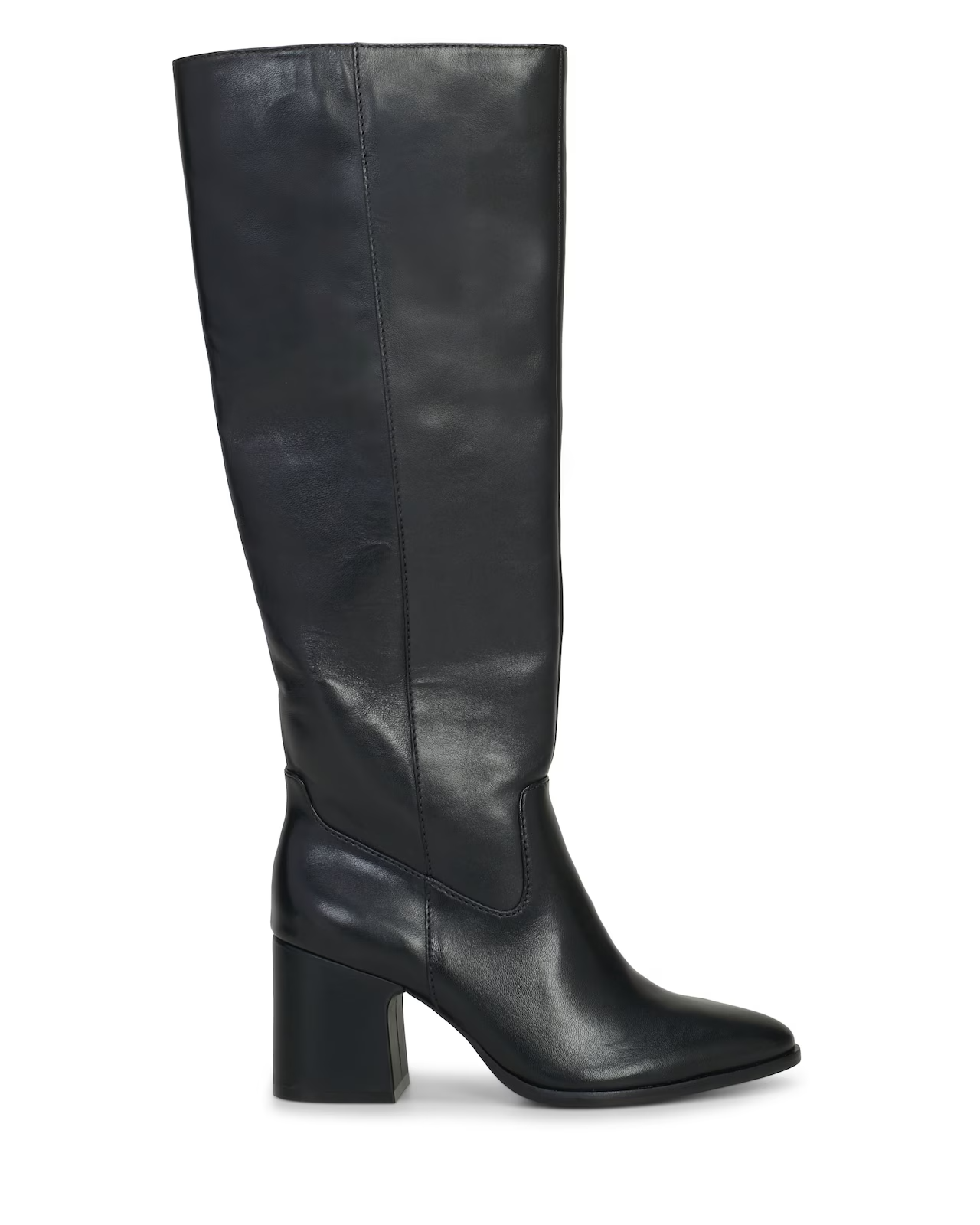
Vince Camuto
Is it really fall if we don’t have a new pair of boots in our arsenal? Especially when they’re Vince Camuto and they’re on sale for 25% off with code FALLBFF.
Shop Vince Camuto
Vince Camuto Evronna Boot, $, available at Vince Camuto
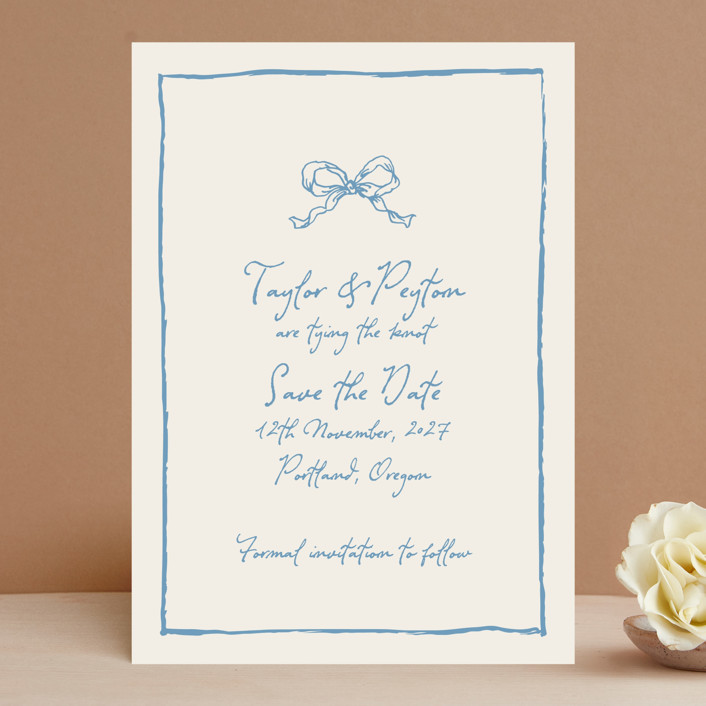
Minted
Do you hear the wedding bells? If so, Minted is here to help you plan your special day. This weekend, you can save 25% off Save The Dates and engagement announcements with code ENGAGED25.
Shop Minted
Cass Loh Ribbon Bow Drawing, $, available at Minted
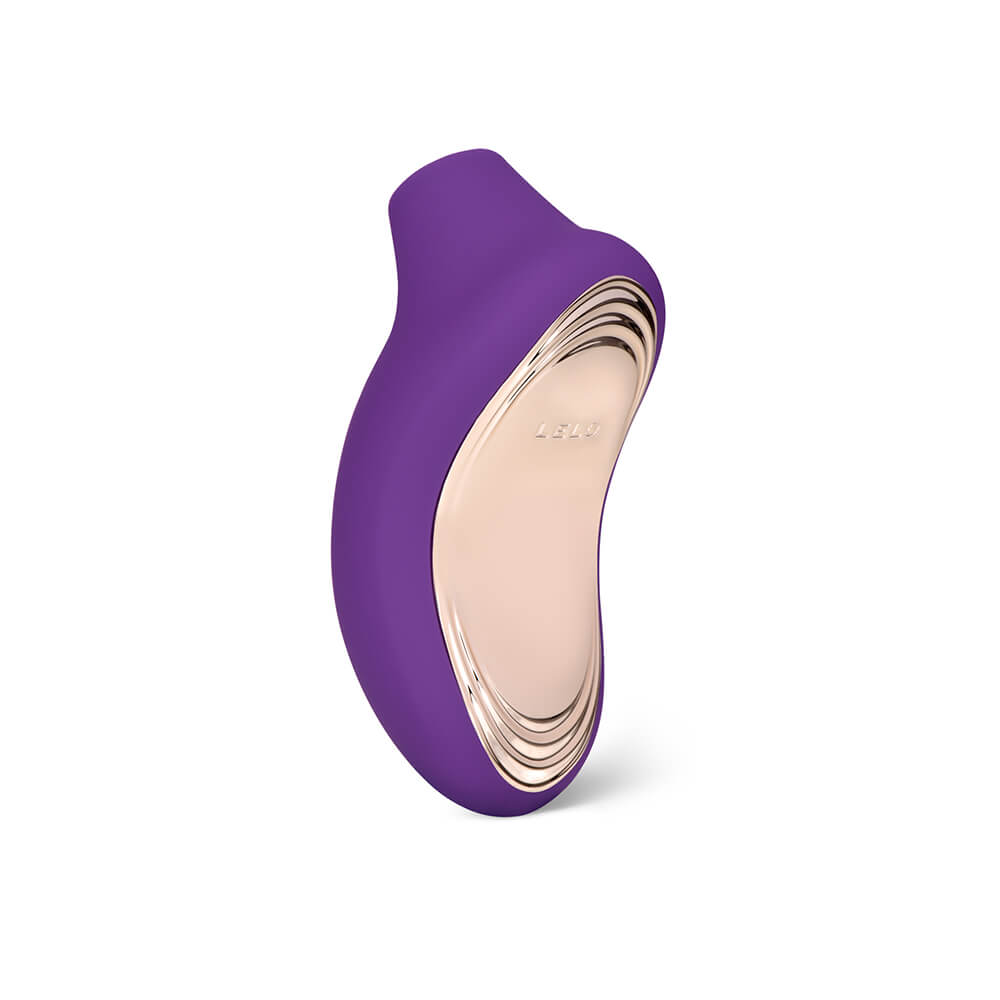
LELO
It’s always a good day when a reader-and-editor-favorite vibrator is on sale for under $100 — and for a limited time, get up to 60% off a selection of LELO’s toys and score a free LELO™ Liquid Lipstick for purchases over $159.
Shop Lelo
LELO SONA™ 2, $, available at LELO

Cole Haan
Are you into chic sneakers? Lucky for you, Cole Haan’s is offering up to 50% off select almost everything until November 26.
Shop Cole Haan
Cole Haan GrandPrø Wellesley Sneaker, $, available at Cole Haan

Saatva
Interested in making your sleep better? One thing that is guaranteed to work is getting a new mattress. Might seem extreme, but when Saatva is running a $400 off $1,000 sale, it’s definitely worth it.
Shop Saatva
Saatva Classic Mattress, $, available at Saatva

Nectar
In the market for a new mattress? You’re in luck because there’s a deal on the Nectar Memory Foam Mattress. With no promo code, get 33% off all mattresses.
Shop Nectar
Nectar Memory Foam Mattress, $, available at Nectar
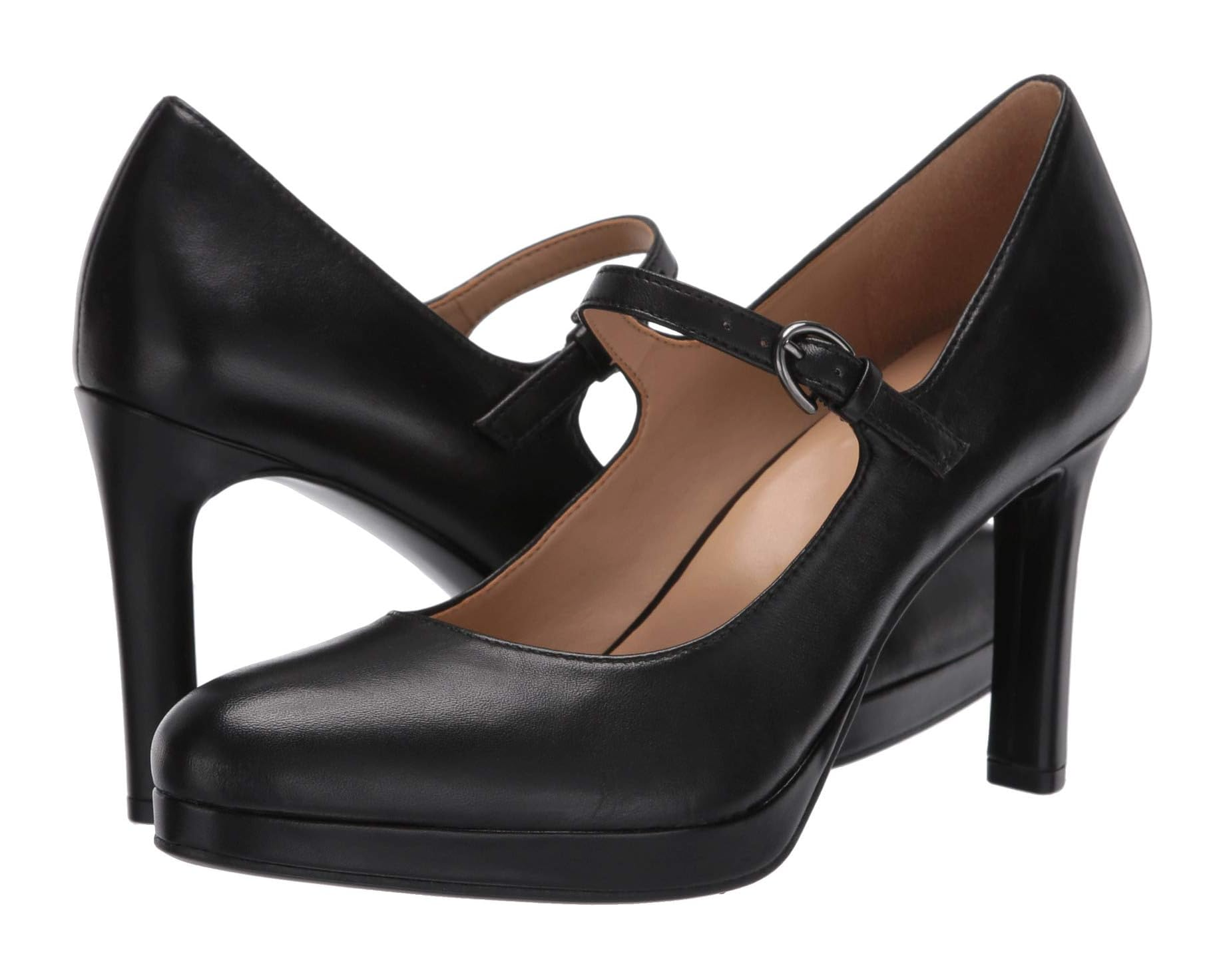
Nordstrom
While the Nordstrom Anniversary Sale has ended, the retailer’s Black Friday sale has just begun. Everything from cult-favorite fall kicks to beloved beauty buys are going for way less than their MSRP. Our personal pick: this delectable pair of Mary Jane heels.
Shop Nordstrom
Naturalizer Talissa Platform Pump, $, available at Nordstrom

Hollister
Whether you’re shopping for fall or you’re a true OG Hollister fan, this sale event will surely pique your interest: You can get up to 50% off select styles with code HCOMYSTERY.
Shop Hollister
Hollister Ultra High-Rise Logo Waist Fleece Dad Joggers, $, available at Hollister
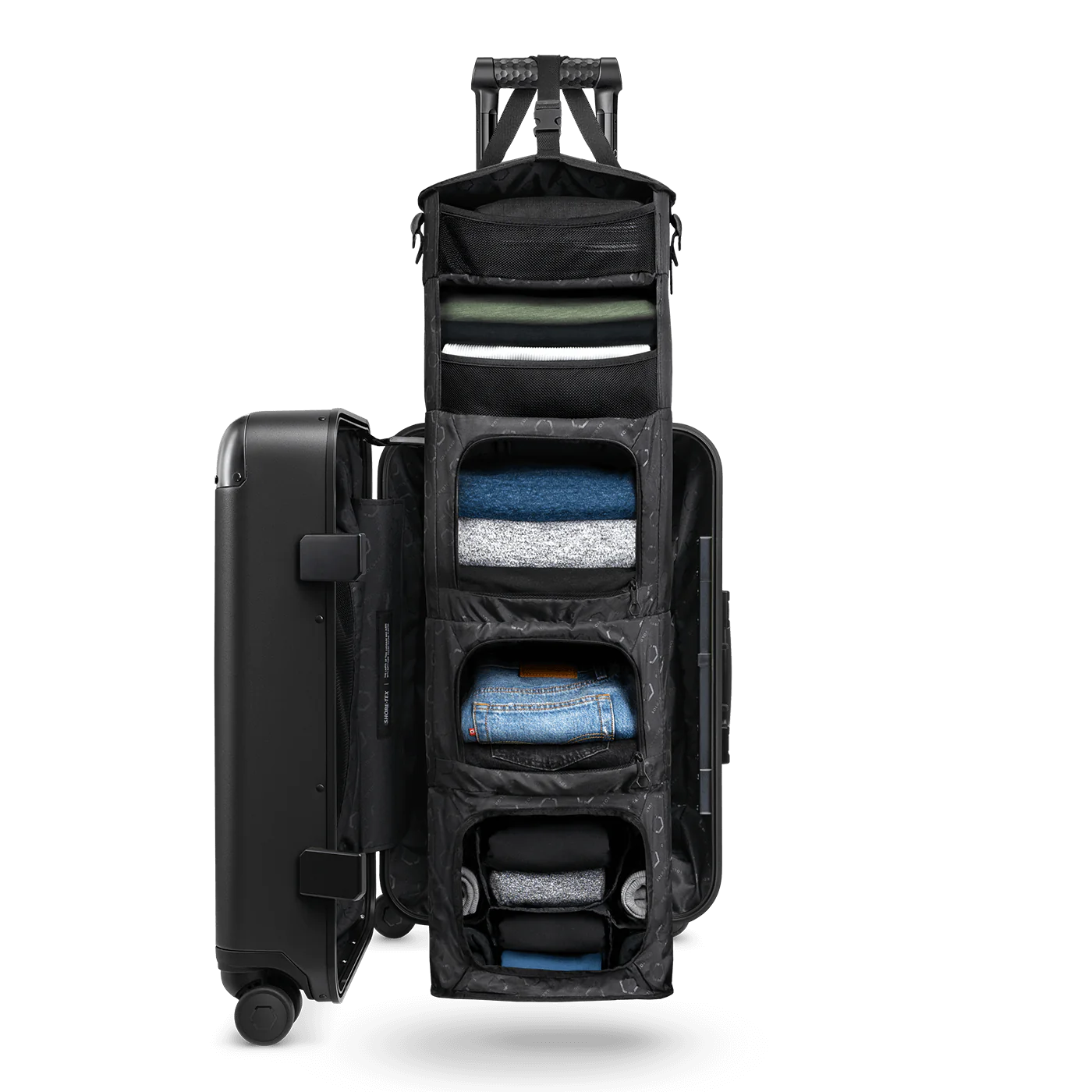
Solgaard
We tested the promo code and, yes, the rumors are true: From now until August 31, score Refinery29 readers’ favorite summer travel bag for 10% off with promo code FALLFRESH. It’s not the steepest of discounts but a rare one nonetheless.
Shop Solgaard
Solgaard Carry-On Closet, $, available at Solgaard
Like what you see? How about some more R29 goodness, right here?
The 21 Best Free People Sale Styles For Under $100

The sun will be in the earth sign of Taurus from April 19 to May 20. This marks the middle of spring in the Northern Hemisphere and autumn in the Southern Hemisphere. It is a time when we put our creativity to the test and feel an increase in joie de vivre. It’s also a moment to pause and reflect; we will all, slowly, smell the roses.
Venus, the Planet of Love, money, and confidence, rules over Taurus. And this month, our focus is on romance, pleasure, and luxury. We want to engage with the world through our senses and awaken our gentle emotions. However, due to Taurus’ stubborn nature, we may encounter some tense moments when changing our perspectives and beliefs, despite the cosmic push to do so in the upcoming weeks.
The Jupiter and Uranus conjunction in Taurus, happening on April 20, will push us out of our comfort zones. Change can be difficult during Taurus Season as we love comfort and predictability. The Jupiter-Uranus alliance will cause us to make significant changes, ones that could enhance our lives permanently. Jupiter is the Planet of Expansion, and Uranus is the Planet of Revolution, which means there will be exciting and surprising results, particularly when it comes to love and money. But this event will also have a global effect, and we can expect shifts in political power.
A few days after the Jupiter-Uranus conjunction, the pink full moon in Scorpio rises on April 23. The Scorpio moon is a lunar placement that makes us go deep within ourselves. Since it opposes the sun in Taurus, we are struggling with the need to simplify matters rather than to intensify them. We are going to feel a tug of war within our hearts — do we want to chase our passions or do we want to play it safe. With the full moon squaring Pluto in Aquarius, we will be drawn to, once again, embracing change and augmenting our dreams to attain a tangible version of our desires.
Mercury’s retrograde journey from the beginning of the month is ending on the 25th, which is good news for all of us — this period made us reflect on and contemplate the issues that came up during this time. It’s worth noting that Mercury will remain in its post-retrograde zone, known as retroshade, until May 13. Therefore, we may see a resurgence of the situations and drama we faced during the eclipse season and the retrograde. However, we must continue to strive for the best until we find a way to overcome them.
With the commencement of Venus entering Taurus on April 29 and Mars moving into Aries on April 30, we are going to witness several changes. This is because both Venus and Mars will be in their dignified positions, thereby gaining immense strength. This could result in significant declarations of love and financial disagreements. It is crucial to find a common ground to resolve these issues. However, Taurus is known for its charm and charisma, which can help in temporarily resolving problems.
From May 2 to October 11, Pluto will be retrograde, beginning in Aquarius and dipping back into Capricorn. During this period, we’ll have the opportunity to reflect on our personal growth and relationships and avoid repeating past mistakes. We’ll be able to revisit unresolved issues from the past year and work towards healing and resolution.
The upcoming new moon in Taurus on May 7 is an excellent opportunity to turn our dreams into reality. With the grounding energy of Taurus, we can channel our efforts into manifesting our deepest desires. By nurturing our creative and innovative ideas, we can bring our visions to life. Remember to be patient and persistent, as the process may take some time, but the result will be well worth the effort.
Mercury’s movement into Taurus on May 15 will make us more stubborn than ever. There will be no flexibility and flux in our mindset, making us stick to the plans instead of understanding that things can change and happen along the way that can temporarily detour us from our path. Reach out for help, let your feelings be known, and take everything carefully. Also, feel free to alter your perspective or stance without hesitation.
Let’s take small steps towards growth and be open to new opportunities. Though it may be challenging to break away from our old ways during Taurus Season, exciting changes are on the horizon that will bring amazing experiences.
Like what you see? How about some more R29 goodness, right here?
The Full Moon Lunar Eclipse Is Here
.disclaimer{width:90%;margin-bottom:1rem}.disclaimer__lines{width:100%;margin:0 auto;border-bottom:1px solid #999;padding:0;max-width:150px}.disclaimer__copy{width:100%;max-width:355px;font-family:Brown Regular,sans-serif;font-size:.9rem;font-weight:300;line-height:1.3em;color:#333;padding:0 0 .4rem;margin:1rem auto;text-align:center}

We’re less than a month away from Mother’s Day, so if you haven’t thought about what you’re gifting the mother figures in your life, here’s your chance to get all your shopping done right now. Kate Spade Outlet always has gift-worthy accessories at affordable prices, but the retailer is offering even deeper discounts right now. From today through April 22, everything sitewide is on sale for up to 70% off, with select styles eligible for an additional 20% off with code SAVE20. That’s a whole lot of stylish savings!
To help you choose the best Kate Spade Outlet Mother’s Day gifts, we’ve narrowed down standout styles from garden-print handbags and embroidered espadrilles to a nameplate necklace set that any mother figure would adore. And thanks to the retailer’s mega discounts, each product comes in well under $200 (with many gifts under $25), ensuring you won’t break the bank.
Scroll on to peruse our favorite Kate Spade Outlet spring-ready (and downright adorable) handbags, wallets, shoes, and jewelry. And make sure you cart up your favorite styles before May 5 to ensure they arrive by Mother’s Day on May 12.
Strawberry Garden Collection

Florals? For spring? Absolutely! Especially when the print in question also features sweet berries. Kate Spade’s Strawberry Garden print is a fan favorite, and we think the mom in your life will find it incredibly cheerful and charming. Find the design across several giftable bag styles from tote bags and satchels to crossbody bags and wristlets.
Floral Embroidered Styles

Rather than giving your mom a bouquet of flowers, gift her a floral-embroidered bag or shoes that will last for years to come. We’re particularly head over heels for Kate Spade’s straw espadrille wedges with flower and strawberry embroidering. But we’re also eyeing the retailer’s popular Phoebe bag collection in raffia, which will be trending come summer.
Luxury Leather Bags

Beyond its quirkier, kitschier styles, Kate Spade is known for its tried-and-true bag silhouettes, ranging from top-handle satchels to mini crossbody bags, in high-quality textured Saffiano leather. For the mom with timeless style, cart up a chic leather bag in a classic neutral… or a bright pink, yellow, or green hue to get her ready for the spring.
Accessories, Jewelry Sets & Bundles

For a one-and-done pick, consider one of the boxed gift ideas, like jewelry sets with dainty crystal flowers (bonus: many are under-$100, and even under-$50). Or give a sweet wallet style (even better if it’s matched with a Kate Spade handbag!), or go all out with a diaper bag bundle for the new mom in your life.
Shop all Kate Spade Outlet gifts
Like what you see? How about some more R29 goodness, right here?
The Best Under-$25 Mother's Day Gifts
Welcome to Money Diaries where we are tackling the ever-present taboo that is money. We’re asking real people how they spend their hard-earned money during a seven-day period — and we’re tracking every last dollar.
This week: a project analyst who makes $70,000 per year and spends some of her money this week on repairing a leaking pipe.
Occupation: Project analyst
Industry: Telecommunications
Age: 29
Location: Los Angeles, CA
Salary: $70,000. My husband, N., and I have combined finances. N. is prior-enlisted military and is in grad school full time which is covered by the military. He receives $2481/month 12 months a year and $3636/month prorated for when he is enrolled in school. Both these payments are not taxable; due to the untaxed stipend element of N.’s salary, our joint salary amount is approximate.
Assets: Checking account: $10,000; emergency fund: $42,000; investments: $65,500; my Roth IRA: $110,000; N.’s Roth IRA: $40,000; my Roth 401(k): $3000; my HSA: $500; rental property: $430,000. We also just purchased a new-to-us car worth $17,000.
Debt: Mortgage: $296,000
Paycheck Amount (Biweekly): $2,692 (pre-tax)
Pronouns: She/her
Monthly Expenses
Monthly Housing Costs: $2,499 (N. and I rent a 706sqft one bedroom/one bathroom apartment which includes one parking space.) We recently moved from the Washington, DC area where I had a home I purchased before we met. We lived in the home for a year before we moved to LA and converted it into a rental property when we left. The property is rented out at $2500/month (this is included in the joint salary amount).
All Other Monthly Expenses
Insurance: $337.31 (This includes car insurance for two vehicles, renters’ insurance, landlord insurance for our rental property, jewelry insurance for my engagement ring, and umbrella insurance)
Gym: $56 (My work reimburses me $20/month)
Spotify: $5.99 (I have a student rate. N. is part of a family plan with his brothers, but they don’t make him pay.)
Water: $100
Electricity: $50
Internet: $30 (We get a military discount with T-Mobile.)
Mortgage Payment: $1276 (for rental property)
HOA: $278 (for rental property)
Property Management Fee: $197.50 (for rental property)
Biweekly Expenses (Paid Per Paycheck):
Health Insurance: $44.47 (pre-tax)
Dental Insurance: $10.67 (for N. and I, pre-tax)
Vision Insurance: $4.28 (pre-tax)
Annual Expenses
My Roth IRA: $7,000
Roth 401(k): $23,000 (my company matches $2,800)
HSA: $3,850 (my company contributes an additional $300/year)
Property Taxes: $4,100 (for rental property)
Was there an expectation for you to attend higher education? Did you participate in any form of higher education? If yes, how did you pay for it?
Yes, it was really not an option to not go to college after graduating high school. I originally went to an out-of-state public school that was not a good fit for me. After a year there, I transferred to an in-state public school. My parents saved in a 529 college fund for me when I was really young. Both my parents are engineers and my parents budgeted to have our family living on just my dad’s income which left my mom’s income to be saved for various things, including 529 accounts for me and my brother. They put a lump sum in my 529 when I was a baby and let it grow over time. I had more than enough to graduate and still have $5,000 in the account.
Growing up, what kind of conversations did you have about money? Did your parent(s)/guardian(s) educate you about finances?
I wouldn’t say my parents and I had any real important conversations about money but I learned a lot from observing how my parents managed their money. It wasn’t a topic that was off the table though. As I got older, when I had questions I felt very comfortable going to my dad.
What was your first job and why did you get it?
My first job was a summer job in college working at a retail store. I hated it but I did it mostly because I knew I needed to do something with my summer. I didn’t need the money so I saved all of it.
Did you worry about money growing up?
Yes and no. My mom immigrated to the United States after being a refugee for six months and she really paved a way for herself. She put herself through college and became a very successful engineer. But I wouldn’t say her worry for survival stayed behind when she came to the US. As a child, I could feel her worry even though we were financially stable, which made me worry. That was pretty polar opposite from my caucasian father who didn’t worry. As I got older, I realized that wasn’t a reflection of my parents’ financial state — it was a reflection of my mom’s upbringing in her country.
Do you worry about money now?
Because there have been many years of my adult life where I have worried a lot about money, I still worry now even though I know we’re in a really good place financially. It’s that scarcity mindset: It doesn’t matter how much money I have, I will always think that I would be safer if I had more saved.
At what age did you become financially responsible for yourself and do you have a financial safety net?
I would say it was at 22 years old that I started becoming financially responsible for myself — but because I knew my family would be my financial safety net, I have leaned on them off and on since I graduated college. I made very little money out of college for the first couple years and really scraped by financially. I could cover my basic needs but anything additional was difficult — like for holidays, my parents would pay for my flights to come home. I grew up playing competitive golf and had always wanted to see how far I could go as a career playing golf, so when I was 25 I decided to pursue that. I quit my full time job and for two years, my mom supported me by giving me $3,000 a month and for another year $2,000 month while I was not working full time. When I got married was when my mom lowered how much she was giving me from $3,000 to $2,000. At that time, it didn’t feel right to spend money from my family when I was sharing my finances with someone else, so we saved the $2,000 a month that my mom was giving me and survived off my husband’s income. A year after getting married, I decided to enter back into the workforce and asked my mom to stop helping me financially. As of now, we don’t rely on my family financially on a regular basis. However, I know in the future if something major came up, I could rely on them.
Do you or have you ever received passive or inherited income? If yes, please explain.
Yes. I received an inheritance from both my grandmother and my aunt, a total of around $40,000. My parents also assisted in helping me purchase my home in the DC area. They gifted me about $50,000 for the down payment.
Day One
6 a.m. — I make a Nespresso coffee. N. goes to a men’s group that meets at 6:30 a.m. so I get the apartment to myself. My work is fully remote so I don’t have to commute anywhere in the morning. I drink my coffee on the couch while reading Have I Told You This Already? by Lauren Graham (aka Lorelai Gilmore, my favorite TV mom). The book is from the library.
7:30 a.m. — I make breakfast before starting work: two eggs with spinach and cheese, half a bagel with butter, and some fruit.
9:30 a.m. — A couple weeks ago there was a water leak in our rental property that cost $1,200 at the time to fix. I filed an insurance claim and just received $958 (after deductible) from insurance for a portion of the damages. I’m still waiting on an estimate for the rest of the damage before submitting to insurance for the rest of the payment.
10 a.m. — N. buys a book on Amazon written by a therapist who hosts a podcast he likes (N is in grad school for marriage and family therapy). N. finished his undergraduate degree when he was still in the military and the military covered all his tuition. $24.12
10:45 a.m. — I finish up the other half of the bagel I ate for breakfast and make a cup of peppermint tea while continuing to work.
12 p.m. — I break for lunch. My go-to has been making a chicken Caesar salad wrap which is what I did today. I eat that with a clementine and some crackers. I’m almost done eating when I get called into a meeting.
2 p.m. — Today has been a pretty chill work day. I take a break for some iced coffee that I make in a French press and keep in the fridge throughout the week. I try to have decaf in the afternoon but I ran out, so caffeine it is! I usually stock up on our sugar-free coffee syrup at Marshalls or TJ Maxx because it’s a fraction of the price compared to anywhere else.
6:30 p.m. — It’s Friday and we’re having some friends over for dinner and board games. N. made shredded chicken for tacos that we served with chips and guac. We are a dry household, but we keep a plethora of sodas and sparking waters on hand.
10 p.m. — Our friends leave and it’s way past our bedtime. N. cleans up while I head to bed.
Daily Total: $24.12
Day Two
6 a.m. — I wake up with N. and I make my typical Nespresso coffee with a scoop of collagen. I’m headed to a workout class this morning that’s not included in my gym membership. I don’t like to eat a whole meal before these classes so I just eat a small snack bar at home. $13.50
9:30 a.m. — N. and I head to Chick-fil-A for breakfast because we’ve been talking about going/craving it. $20.87
10:30 a.m. — Last year, N. and I bought a Yakima cargo box for my car thinking we were going to do a lot more outdoor things and we realized that we weren’t using it like we thought we were going to. It’s been on the top of my car since then which has been a hassle because I can’t get into most covered garages. And living in SoCal, we don’t have the space to store it, so we decided we needed to get rid of it. Originally, we were going to sell it on Facebook Marketplace and lose a few hundred dollars on it but I remembered we bought it from REI and we have an REI membership which includes a one-year return policy. So today we were able to return the Yakima to REI and get a full refund for it.
12 p.m. — While we’re already out, I’d been talking about getting a new pair of sneakers and I’ve been eyeing the New Balance 574 Core classics, so we stop by the closest New Balance store and buy them. It has a military discount so we get them 15% off. It was also my birthday last week and we were walking by a Sephora so I stop in for my free birthday gift. $82.42
1:30 p.m. — We get home and eat a late lunch of a mosh posh of leftovers: I have one chicken taco from last night and a single slice of leftover pizza leftover, N. has steak he grilled a few days ago with rice.
4 p.m. — N. and I head to a regional park to go on a walk because it’s beautiful outside. We get in for free because N. has a free veteran annual pass. We talk about where we’re at: We moved to LA about seven months ago for N. to go to grad school and I was looking for a job when we got here, which was incredibly difficult. I was unemployed for five months and we were barely getting by financially until I started a new job two months ago. This week was the first week I didn’t feel an immense amount of money stress.
6:30 p.m. — I have a work trip this week up to San Francisco and I’m finalizing my flights. $159.10 (Expensed)
7 p.m. — Tonight we’re eating a pre-made lasagne that was on sale at Costco with a side salad. We’re watching Gilmore Girls together (it’s N’s first time and my 100th) so we watch an episode of that while eating dinner. We mooch off my parents Netflix account (we actually mooch off friends and family for all of the streaming services we use). I have some gummy bears and Toblerone for dessert. We have an emergency family event that we’re heading out of town for later this week, so we prepay for airport parking — we’ve trialed all the ways to get to the airport and this is most cost effective way we’ve found in LA. $37.82
8:30 p.m. — I think between the workout class and going on a long walk, I’m feeling extra hungry. I search the kitchen for food and settle on a stroopwafel that I saved from a flight I took last week and some trail mix.
Daily Total: $154.61
Day Three
6:45 a.m. — I stumble to the bathroom and I’m confused because I can hear N. messing with the buttons on the oven. It takes me a second to realize it’s daylight savings and he’s adjusting the clocks. I go to the bathroom and then lie back in bed on my phone for a while. I’m super super sore from yesterday’s workout so my body doesn’t really want to move.
7:45 a.m. — I make coffee for N. and I. We sit and talk while drinking our coffee for a bit. We talk about what we each have planned today: N. has some school work and I need to organize my notes and prep for a quiz I’m taking tomorrow in my grad school class.
8:30 a.m. — I make breakfast for myself. Our fresh groceries are running low but I’m leaving on a work trip in a couple days so I don’t know how worth it it would be to go pick to stuff up. I have two eggs with spinach and cheese, half a bagel with butter, and two clementines. I eat that while catching up on a podcast by Dani Austin called De-Influenced. N. makes breakfast for himself a little later.
9:20 a.m. — Since we took off the cargo box from my car, I’m taking off the cross rails. I’m planning on listing these on Facebook Marketplace (these aren’t from REI so we can’t return them). I’ve been wanting to repot one of my plants and since my hands are already dirty, I go ahead and do that. We have a small balcony with all my plants and doing these tasks has really made me want a garage/yard, but I don’t know how likely that’s going to come in the near future.
12 p.m. — I eat some leftover lasagne for lunch and decide that I don’t like it but I hate wasting food. I finish that with some carrots and tzatziki dip and a clementine. I also realize that we desperately need a few groceries to hold us over so I think I’ll head to the store later today. N. goes to the gym and gets a haircut after. $25
1 p.m. — Coffee #2! This time decaf. I sip on that while reviewing some notes from my class that I’m taking. My work covers up to $5,250 annually for tuition and fees if we take any courses related to our job. I took advantage of that and enrolled in a class this semester at a public university nearby. It’s honestly been a lot to work full time and manage this class along with everything else I enjoy doing, so I’m pretty certain I won’t be taking a class next semester.
2:30 p.m. — I take a break to walk to the grocery store since it’s not far and I need at least a little bit of physical movement today. I pick up some things just to get us through the next few days: chicken, milk, Caesar salad kit, berries and some frosted cookies that I saw on sale. $31.40
3 p.m. — N. is home when I get back. I desperately want to do anything other than my homework. I continue procrastinating. For dinner tonight, we really consider going out but begrudgingly decide against it. N. is going to make spaghetti with ground turkey and marinara sauce. We kind of spontaneously decide we want garlic bread — which we don’t have the ingredients for — so N. heads back to the same grocery store I was at to purchase a loaf of bread. $1
6 p.m. — I finally get myself to finish my classwork while N. finishes up making dinner. We eat that while watching a couple episodes of Gilmore Girls. Daylight savings has my body all confused but I try to get to bed before 10 p.m.
Daily Total: $57.40
Day Four
7 a.m. — This is a late wake-up time for me but daylight savings is really getting the best of me right now. I make my coffee for N. and myself and we sit for 20 minutes.
7:45 a.m. — Before starting work, I throw a load of laundry in. When N. and I moved here, one of the top things on our list to have in our apartment was an in-unit washer/dryer. At the time it was really important to us but we downsized when we moved here and I really miss having more space. I think wherever we live next, more bedrooms will be more of a priority.
8 a.m. — Because I woke up late, N. makes breakfast for me while I start working (the usual thing: two eggs with spinach and cheese, berries, and half a bagel with butter). I have a meeting at 9 a.m. so I’m just catching up on anything that happened over the weekend. I hop on the meeting and roll out my walking pad to walk on while the meeting is going. I try to get 10,000 steps everyday even though I sit at a desk all day. My walking pad has really helped make that much easier.
12 p.m. — I’m getting hungry and I have a meeting at 12:30 p.m. so I want to finish lunch before that. I made the same lunch from a few days ago, which is a go-to for me: a chicken Caesar salad wrap with a clementine and some pita crackers.
1:30 p.m. — I make myself an iced coffee from the French press. I also made coffee ice cubes so my iced coffee doesn’t get watered down and that is perfection *chef’s kiss*.
2 p.m. — My meeting wraps up and I decided I’m going to break early to go to the gym. I’m leaving tomorrow for my work trip and I know I won’t be working out this week as much as I’d like.
4 p.m. — Monday nights I have class but my class is hybrid so I do it from home. At the beginning of the semester, I went to class in-person and I really enjoyed doing that but I was getting so stressed with how little time I had for myself during the week (driving to and from class took two hours out of my weeknights), so I decided from here on out that I’d do the class remotely.
6 p.m. — Classes on Monday end with a quiz so as soon as I was done with that I put together dinner for myself. I had the last of the leftover lasagne with some chicken that N. grills, and a frosted cookie. N. heads out to meet with friends (he eats dinner before he goes out).
6:30 p.m. — We need to book a return flight for N. for the family event that we’re going to later this week — I had already gotten my flight back. $253.11
8 p.m. — Since I dipped earlier to go to the gym, I log back in to do a some more work. I’m super super hungry still so I get a variety of snacks: trail mix, clementine, a cheese stick, carrots, and dip.
10 p.m. — I watch YouTube videos until N. gets home and we go to sleep.
Daily Total: $253.11
Day Five
4 a.m. — I wake up from a wild dream but couldn’t tell you a thing that happened in it. I can’t go back to sleep immediately so I’ve accepted that when I do eventually fall back asleep I’ll probably be sleeping later than normal. I finally fall back asleep around 5:30 a.m.
7:30 a.m. — I finally wake up because sh*t’s gotta get done. I make coffee and start the morning. I get “ready” — meaning I brush my teeth, brush my hair and apply SPF moisturizer.
8:30 a.m. — I log in. Today some of my team is traveling (including me later today) but we also have a deadline in a couple days so we are grinding to get that together. N. makes breakfast for me again which I’m very thankful for.
12 p.m. — I make my go to lunch: a chicken Caesar wrap with a clementine, crackers, and carrots but I felt full after the wrap and clementine so I put the crackers and carrots back.
12:30 p.m. — I have counseling. I’d say a good majority of our income goes to our individual therapy. It’s really important to both of us (as mentioned, N. is studying to be a licensed therapist). I went to therapy every other week when I was looking for a job because money was tight, but I’m probably going to go back to every week very soon. $100
2:30 p.m. — I do some last-minute packing and decide to wash my hair before I leave because I get in pretty late and I don’t want to worry about it tonight. I don’t normally blowdry my hair but today I do because it’s going to make tomorrow morning much easier.
4 p.m. — I order an Uber to the airport and it’s not my favorite Uber ride. It’s long, bumpy and traffic-y but I make it. $67.16 (Expensed)
5 p.m. — I have access to some airport lounges with my airline status so I head to the lounge, which is pretty much empty. Sometimes I get to the airport early to hang out in the lounge just because it means I’m not rushed for my flight and I can get a free meal. I grab a decaf latte and a sparkling water. I watch some YouTube videos. Later for dinner, I have chicken tacos with a side salad and they have an array of sides so I try them all (my favorite was the pesto pasta). Tacos were okay. I finish off with a white chocolate macadamia nut cookie which was surprisingly really good.
6:15 p.m. — I head to the terminal my flight is flying out of and make sure to fill my water bottle up before getting on the plane. On the flight, I read a couple chapters of Have I Told You This Already?
8:30 p.m. — Finally landed and off the plane. I order an Uber to the hotel. The traffic is gnarly. $93.50 (Expensed)
9:30 p.m. — I unpack enough to take a shower and snuggle into bed. Something about staying in a hotel alone makes me feel uneasy. When I first got into the room, I propped the door open with my suitcase and checked any place in the room that a person could hide. I saw a flight attendant video that showed what she does when she gets to hotel rooms. You prop the door open so you can escape in case there’s someone inside. Some may call me paranoid.
10:30 p.m. — It’s bedtime.
Daily Total: $100
Day Six
4:30 a.m. — Not a good night of sleep. I could hear everything happening outside my hotel room. I lie in bed until I need to get up.
5:30 a.m. — We have a proposal due today and since half my team is in all-day meetings with another client, this is the only time that works for everyone. I do the meeting while still in bed. Genuinely not something I want to become a habit (doing work that early). I get ready while this call is going on.
7:30 a.m. — I meet the rest of my team (three other people) in the hotel lobby. I eat a sub-par hotel breakfast and coffee before we head over to meet our client.
8 a.m. — There is the cutest café outside where we are meeting. My colleagues get coffee and those who didn’t eat breakfast order food. I haven’t drunk all my coffee because it’s not good, and my manager jokes and tells me to throw it out and order a “real” coffee. I order a 12oz latte with whole milk. My manager pays for it with his corporate card. I note in my head for tomorrow to not eat the hotel breakfast.
8:30 a.m. — Our meetings start. My coworker and I are the most junior level people here. I feel a little imposter syndrome. I’m pretty sure my manager brought us so we could learn under him but be able to charge it to the client. So far, I really enjoy working for my manager, which I’m thankful for. They had me working with someone else when I started, and I had a lot of issues with him (I came to find out that a lot of people have issues with him). I am learning a lot in this meeting, but our other work hasn’t slowed down, so I have to focus on other things while in these in-person meetings, which isn’t ideal.
12 p.m. — We break for lunch. My team and I go out together to a restaurant. I order a turkey sandwich that’s way too salty, with a side salad. I eat the salad and half the sandwich. My manager pays with his corporate card.
1 p.m. — We head back to our meeting place for part two of meetings. Someone brings Girl Scout cookies which taste divine.
4:15 p.m. — Our meetings end. My team works in telecommunications, so we visit some sites where utility poles and internet cabinets are located.
5:30 p.m. — We head back to our hotel and say we’re going to reconvene in an hour for dinner. I get back to my room and feel like I can breathe. I’m an introvert and prefer being by myself which was part of why I prioritized finding a remote job. I was willing to take a pay cut if that meant I could work from home. I can handle work trips in short periods of time but anything more than that and I think my job would drain me.
6:30 p.m. — One of my coworkers used to live here so he brings us to a place he recommends for dinner. It’s a taco place that he’d raved about. It’s not that great to me. I get a burrito that I don’t finish. We sit and talk for a while. Then the same coworker suggests we drive into SF (we were closer to San Jose), which we agree to. Little did I know we were going to take an hour-long drive, with a grand tour of the Bay Area, all to sit in a bar/restaurant for 30 minutes and drive an hour back. I think I would’ve rather taken the night to myself in my hotel room. Meanwhile back home, I think N. is running low on food — he goes to get Chipotle because we have a gift card.
10:30 p.m. — I finally get back to my hotel room. I quickly shower and get into bed. I popped a couple ZzzQuil tablets and fall right asleep.
Daily Total: $0
Day Seven
5:30 a.m. — I wake up to people hustling and bustling outside my hotel room. I don’t have to get up for another 45 minutes so I’m definitely staying in bed.
6:15 a.m. — I finally get up and start getting ready. I feel pretty well rested, surprisingly. Probably because I took ZzzQuil. This is our last day here, so I pack up all my things and I head to check out. I take a quick shower because I’m not going to be able to shower tonight. $583.54 (Expensed)
6:45 a.m. — Today is an earlier start to the day because we’re meeting with a vendor at 7:30 a.m. We head over to meet the vendor — which is in a different location than where we were yesterday — but I’m told we’re going to go back to where we were yesterday (to where the yummy coffee café is), so I hold off on breakfast/coffee.
8 a.m. — After meeting with the vendor, I’m told we’re staying here for our meetings today (i.e. not only no yummy café but also no breakfast for me). Someone goes and grabs coffee for us but none of my team eats breakfast. I probably should speak up for myself more but I settle for eating a protein bar and some nuts that I had packed from home.
10 a.m. — I hear from the property manager of our rental house that there’s been another leak. My heart drops because I know that just means more $$$. Fortunately, I have a contractor that did work on my family house growing up who I really trust. He repaired the original leak after the property manager brought in a plumber who wanted $800 just to diagnose the leak. That was a ludicrous number to me so I called my contractor who diagnosed and repaired for $1,200. My contractor heads over very promptly and he sends me video updates as he finds the issue. Now I’m just waiting to hear how much it’s going to cost.
12:30 p.m. — Our meeting ends earlier than I was expecting. My team goes out to lunch and I get a really delicious chicken pesto sandwich with tomato soup. My manager pays with his corporate card.
2 p.m. — I get a text from my contractor for the leaking pipe repair and pay him via Zelle. $450
2:30 p.m. — My manager orders us an Uber to the airport together to head home. My flight isn’t until 9 p.m. so my manager and I do some work at the airport before his flight leaves.
4 p.m. — I head to the airport lounge I can access. My boss leaves to catch his flight and I just breathe. I feel like I’ve been go, go, go for the last couple days and I’m so tired. I go change into comfy clothes, get a cookie and watch some YouTube videos to relax.
6 p.m. — I missed class yesterday because of our meetings so I watch the Zoom recording of it. I didn’t do well on my quiz on Monday and I’m kind of stressing about it even though I’m just trying to finish the class so I can get reimbursed.
7:30 p.m. — I’m only semi-hungry so I have two cups of soup from the lounge buffet. I also have Coke Zero and sparkling water. I remember that the lounge has showers and I get excited for a second because that means I could shower before my redeye, but both showers are out of service.
9 p.m. — I board my redeye flight to DC for my family event. N. took an earlier flight from LA and he just landed in DC. I take a couple ZzzQuil and try to get as comfy as I can to sleep.
Daily Total: $450
The Breakdown

Money Diaries are meant to reflect an individual’s experience and do not necessarily reflect Refinery29’s point of view. Refinery29 in no way encourages illegal activity or harmful behavior.
The first step to getting your financial life in order is tracking what you spend — to try on your own, check out our guide to managing your money every day. For more Money Diaries, click here.
Do you have a Money Diary you’d like to share? Submit it with us here.
Have questions about how to submit or our publishing process? Read our Money Diaries FAQ doc here or email us here.
Like what you see? How about some more R29 goodness, right here?